About Chrysothamnus viscidiflorus (Hook.) Nutt.
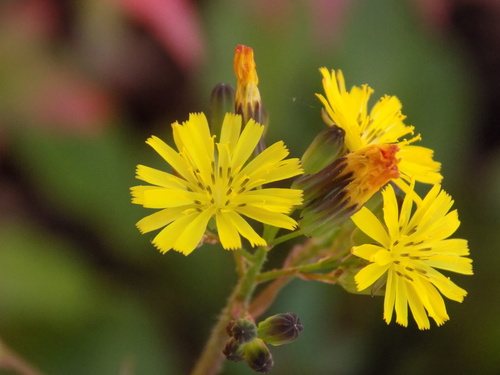
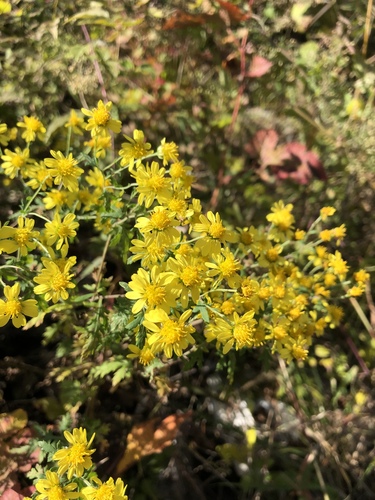
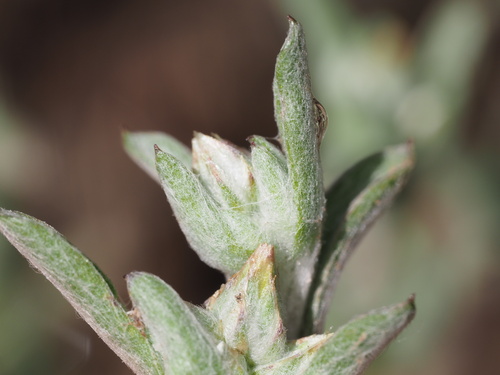
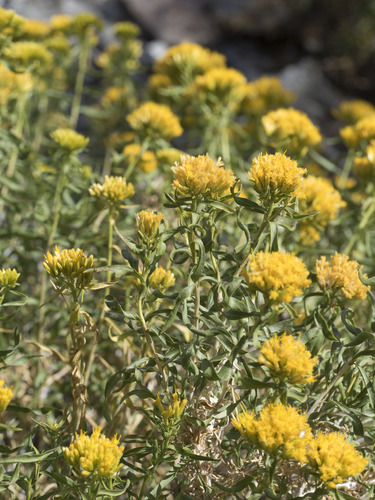
Chrysothamnus viscidiflorus (Hook.) Nutt. reaches around 150 centimeters (5 feet) in height, and produces spreading, brittle, pale stem branches. Its leaves grow up to a few centimeters long; they may be thin and thread-like, or up to 1 cm wide and oblong. The leaves are glandular, resinous, and sticky. The inflorescence is a bushy cluster of flower heads, with each individual head measuring 0.5–1 cm long. Each flower head is lined with sticky yellow-green phyllaries and holds several yellowish protruding flowers. The fruit is a hairy achene a few millimeters long, with a wispy pappus at its tip. This plant is widespread across North America, found across most of the western United States and western Canada. Its North American range extends from British Columbia and Montana south to California and New Mexico, with small populations in the Black Hills of South Dakota and western Nebraska. It also grows in South America, in the Andean valleys of Chile and Argentina. The species grows in sagebrush and woodland habitat. It grows well in alkaline and saline soils, and thrives in calcium-rich soils. It rapidly establishes in disturbed habitat, including burns, flooded washes, and rockslides, so it is a valuable shrub for revegetating damaged land such as overgrazed rangeland and abandoned mining areas. This species is a larval host to the sagebrush checkerspot, and it is an important fall nectar source. Large native ungulates including deer and antelope browse its foliage. It often occurs alongside Ericameria nauseosa. Individuals of this species are typically killed by fire, but can resprout if they have sufficient energy reserves. Their windborne seeds can blow into burned areas and sprout vigorously. Plant counts of this species often increase shortly after a fire, and can come to dominate the landscape, but population numbers decrease as Artemisia tridentata (big sagebrush) recolonizes the area.