About Chrysanthemum lavandulifolium (Fisch. ex Trautv.) Makino
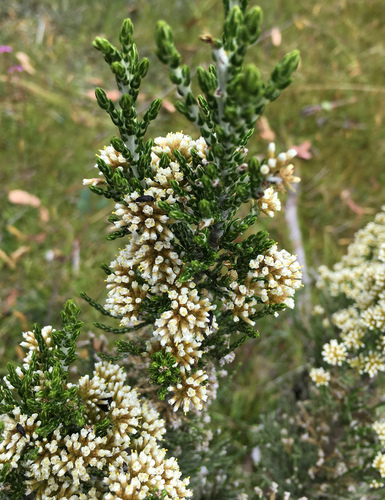
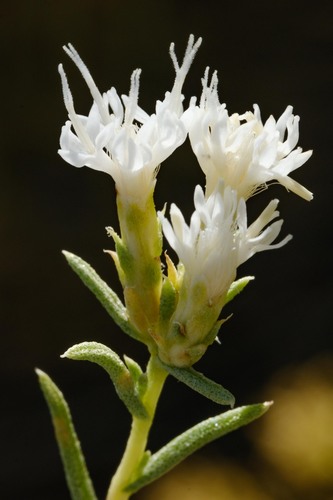
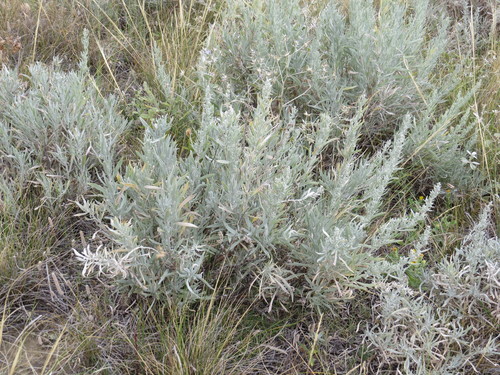
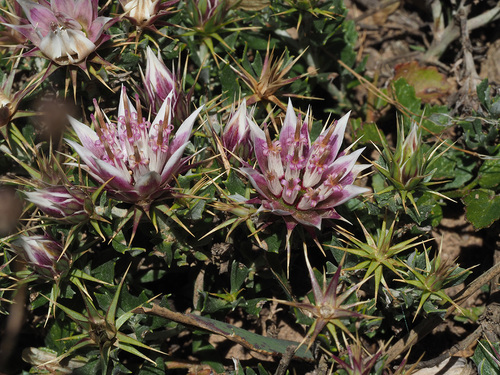
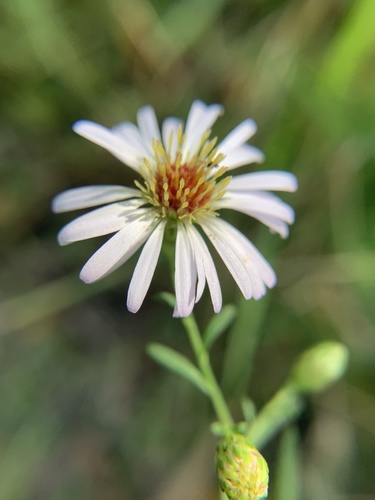
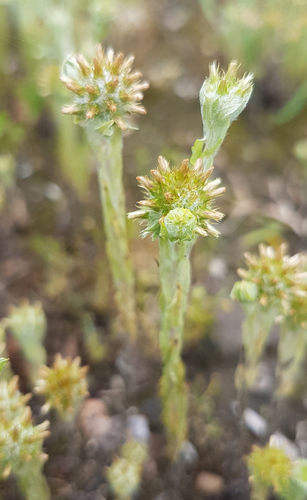
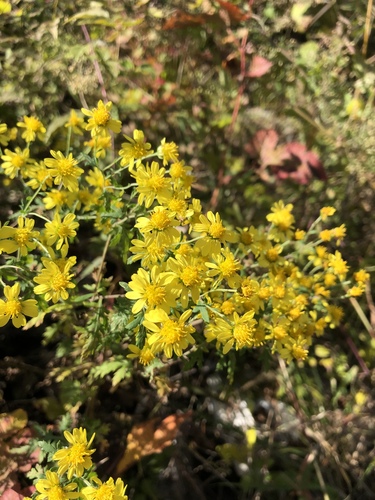
Chrysanthemum lavandulifolium (Fisch. ex Trautv.) Makino is an herbaceous perennial plant that reaches 100–150 centimetres (39–59 in) in height. It has a short rhizome, and its stems are erect, long-branched, and covered in white pubescence, with only a few stem leaves. Leaves grow in an alternate arrangement along the stem; they are green, oblong, with pinnate venation, 5–7 centimetres (2–3 in) long and 4–6 cm wide. The leaf blade is broad, with a base that narrows suddenly, and the overall leaf shape is ovate or lanceolate and lobed. The underside of leaves has a broad sinus base with dorsifixed pubescence, and the petiole is 1–2 cm long. Flowers are terminal, arranged in corymb-style heads, with yellow sepals and multiple carpals. Flower heads are yellow, with a diameter of 14–15 mm, or around 1.5 cm. There are three or four oblong elliptical bracts with soft tissue and tipped ends, surrounded by hemispherical involucral coverings. Yellow corollas are 5–7 mm long and 1.5–2 mm wide. Bisexual florets have obtuse, irregular anther bases, and pistillate ray florets may be yellow or white. This species produces indehiscent, angled achenes; the pappus, a modified calyx, is either absent or extremely small. This species is native to eastern Asia, occurring naturally in Korea, Japan, and China. Within China, it is found in Gansu, Sichuan, and Yunnan provinces. In Japan, it occurs primarily in Honshu and Kyushu. In Korea, it is found in Gyeongsangbuk, Gangwon, and Chungcheongbuk. It has been suggested that chrysanthemums may have been introduced to Japan from China in the eighth century AD. C. lavandulifolium grows well in warm East Asian climates, tolerates high temperatures and low moisture, and thrives in full sun on moist clayey soils. It flowers from October to November. In Korean traditional medicine, this plant has been used to treat vertigo (a type of dizziness), and its flowers have been used as an antipyretic.