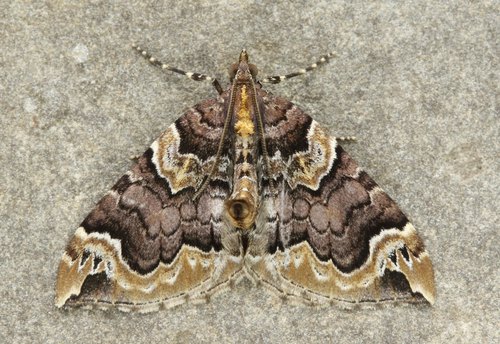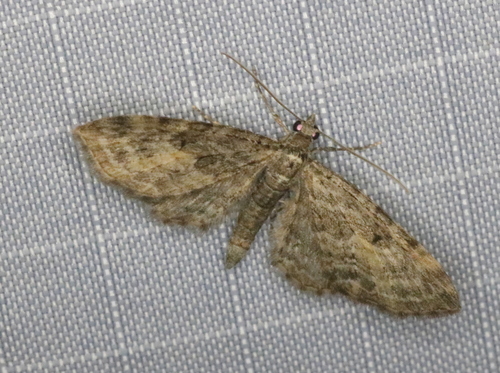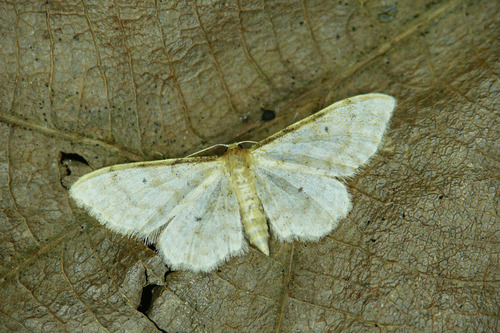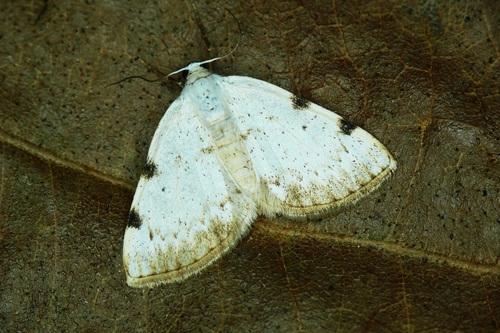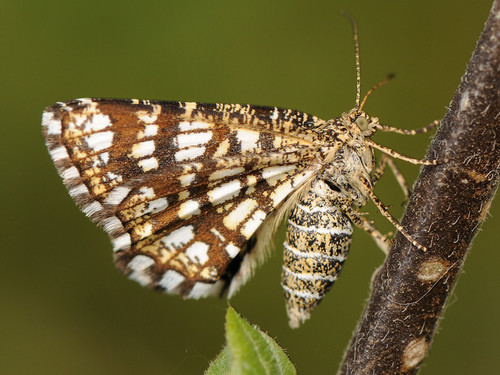
About Chiasmia clathrata (Linnaeus, 1758)
The latticed heath, with the scientific name Chiasmia clathrata (Linnaeus, 1758), is a moth in the family Geometridae, subfamily Ennominae, and tribe Macariini. Carl Linnaeus first described this species in the 10th edition of Systema Naturae, published in 1758. This species is distributed across all of Europe, the Near East, and North Africa. Its range extends eastward through Russia, Siberia, the Amur River region, northern Iran, Kazakhstan, China, and Korea to reach Japan. It is a fairly common species in the British Isles. These moths live in a variety of open habitats, including grassland, moorland, and waste ground. In the British Isles, this species produces one or two generations each year. Adults can be seen anytime between May and September. These moths are active during the day, but can also be observed at night when they are attracted to artificial light. The larvae feed on bedstraws, specifically Galium mollugo and Galium verum, and multiple types of legumes. These legumes include clovers (Trifolium medium and Trifolium pratense), trefoils, lucerne (Medicago sativa), and meadow vetchling. Larvae are typically active primarily in June and July, and again from mid-August through September. In Ireland and northern Britain, larvae are only found in July and August. This species overwinters in the pupal stage.