About Chaenorhinum minus (L.) Lange
Leaf Arrangement
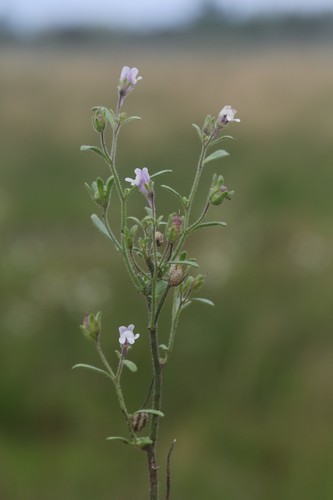
Chaenorhinum minus (L.) Lange can be distinguished from many other toadflax species by its alternate, singly arranged leaves.
Foliage Hairs
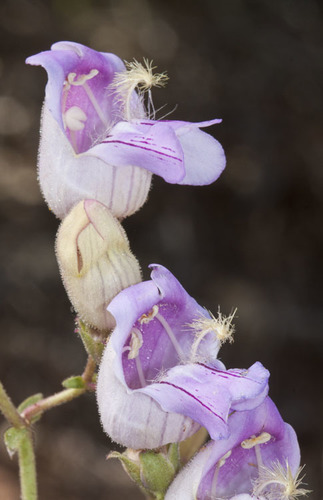
Its leaves and sepals are covered in glandular hairs.
Foliage Coloration
The leaves are glaucous, while the sepals may be green or purple.
Flower Color
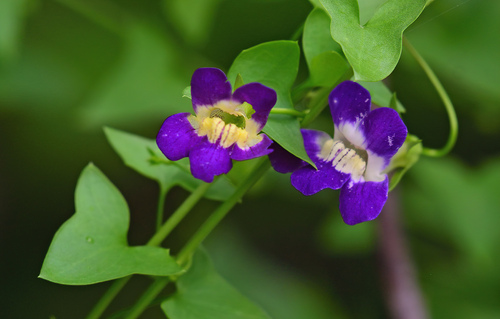
Flowers of this species range in color from pale purple to white.
Growth Form and Size
It is an annual herb that grows to a maximum height of 25 cm (9.8 in), and it does not spread via vegetative growth.
Flowering Period
Its flowering period runs from June to July.
Habitat Requirements
This small plant depends on habitat disturbance to compete with other plants for access to light.
Population Trend
It was once a common weed in agricultural fields, but populations have declined due to agricultural intensification.
Current Habitat
Today it is found primarily in gardens, around railways, and also along roadsides and at industrial sites.
Soil Preference (UK)
In the United Kingdom, its distribution shows that it favors chalky soil.
Native Range
The species is native to continental Europe, occurring mainly in southern and central Europe, and extends north as far as Sweden.
Status in the UK
It holds archaeophyte status in the United Kingdom, meaning it is thought to have been introduced to the region many centuries ago.
Introduced Range (North America)
It has also been introduced to the United States and Canada.