About Cercocarpus ledifolius Nutt.
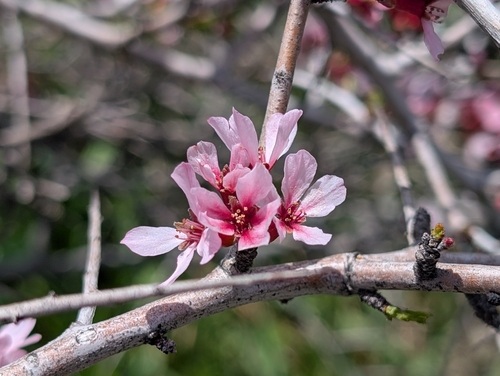
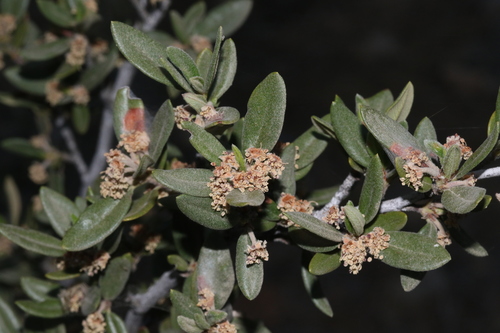
Cercocarpus ledifolius Nutt. is a large, densely branching tree that can reach heights of 11 metres (36 feet), though adult plants also commonly occur as shrubs as short as 1 m (3+1⁄2 ft). Its leathery, sticky, dark green leaves are lance-shaped, up to 4 centimetres (1+1⁄2 inches) long, and may have curled under edges. Each flower is a small tan tube with a long, plumelike style covered in thick tan hairs protruding from it; flowers grow in inflorescences that hold up to 3 flowers. The fruit is a hairy achene measuring 0.5–1 cm long. This species is slow-growing, and sometimes takes up to a full century to reach its full height. The oldest known specimens are estimated to be around 1,350 years old; this estimate came from a primary specimen that was later cut down. This age makes Cercocarpus ledifolius one of the longest-lived known flowering plants. It is widespread across much of the Western United States and Baja California, Mexico. It grows at elevations from 600 to 3,000 m (2,000 to 9,800 ft), with preferred altitude varying by region. It favors shallow, well-drained soils with a sandy or grainy texture, and generally grows in areas that receive only 15–26 cm (6–10 in) of annual precipitation. For these reasons, it is common on low mountains and slopes, where it grows in scattered groves alongside other drought-resistant species including pinyon pines, junipers, and sagebrush. Deer eat the leaves of this species year-round. Gosiute Native Americans used its wood to make bows. Multiple Native American groups, including the Paiute and Shoshone, use this species for a range of medicinal purposes.