About Cerbera manghas L.
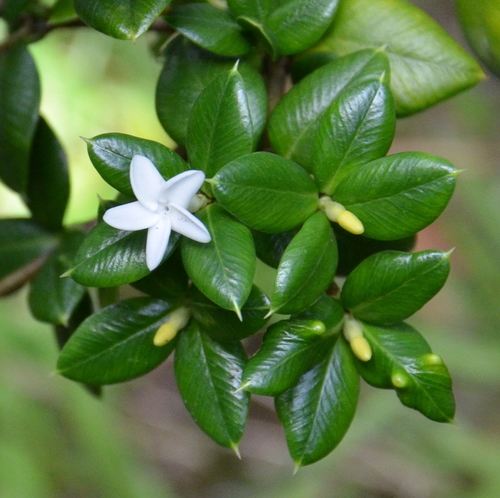
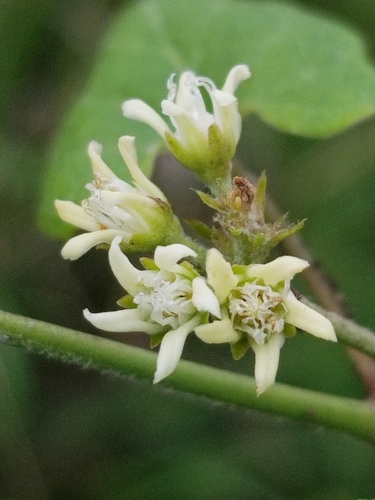
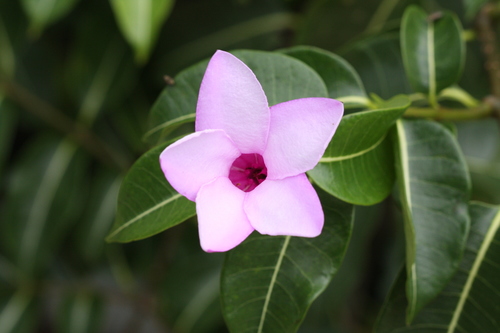
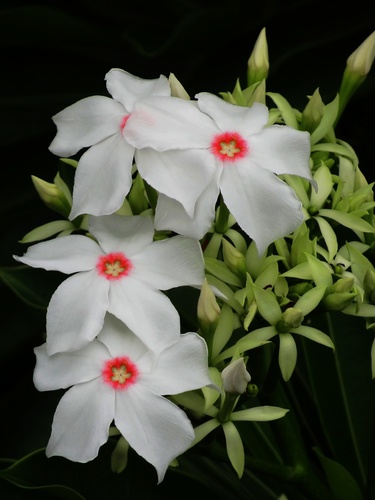
This plant species is formally classified as Cerbera manghas L. It produces shiny, dark-green ovoid leaves that grow in a spiral arrangement. Its flowers are fragrant, with a white tubular five-lobed corolla about 3 to 5 cm (1.2 to 2.0 in) in diameter and a pink to red throat. Flowers contain five stamens, with the ovary positioned above the other floral parts. The plant bears egg-shaped fruits 5 to 10 cm (2.0 to 3.9 in) long, which turn bright red when they reach maturity. Leaves and fruits of this plant contain the extremely toxic cardiac glycoside cerberin, plus tanghinin, deactyltanghin, and neriifolin. Only the mechanism of action of cerberin has been extensively studied, though tanghinin and the other toxic molecules likely act through a similar mechanism. Cerberin works by inhibiting Na+/K+-ATPase, affecting sodium-potassium pumps in cardiac muscle cells. In addition to cardiac effects, poisoning symptoms include numbness in the upper extremities, followed by nausea, vomiting, chest tightness, and dyspnea. Cerberin is thought to be the most important contributor to the plant's toxicity, even though it is present in lower quantities than the other cardiac glycosides it contains. Like its close relative Cerbera odollam, C. manghas seeds have been intentionally consumed in suicide attempts. Treatment for C. manghas poisoning is similar to treatment for digoxin poisoning; moderate administration of calcium gluconate has been shown to be effective at reducing hyperkalemia. More recent medical research suggests that the cerberin found in this plant may have beneficial properties for chemotherapy, because the cardiac glycoside may be able to selectively induce apoptosis in tumor cells. Goffin's cockatoo is one species known to eat sea mangos, the common name for this plant. Coconut crabs can become toxic to humans if they eat too much sea mango, due to a buildup of cardiac cardenolides in the crab's tissues. During the rule of the Merina Kingdom over Madagascar, Cerbera manghas was used in tangena trial-by-ordeal processes to test suspected criminals and people accused of witchcraft. Poison from the plant's nuts was consumed alongside three strips of chicken; if the chicken was not vomited up, the accused person was found guilty and executed. Use of the plant for this purpose peaked during the reign of Queen Ranavalona I, when an estimated more than 100,000 people were killed. The tangena ordeal was eventually banned during the reign of Radama II. In contrast, Fijian people use dried leaves of this plant, which they call vasa or rewa, to treat skin irritations and eye pains. In the past, people also used the tree's sap as a poison for hunting animals.