About Cenchrus pedicellatus (Trin.) Morrone
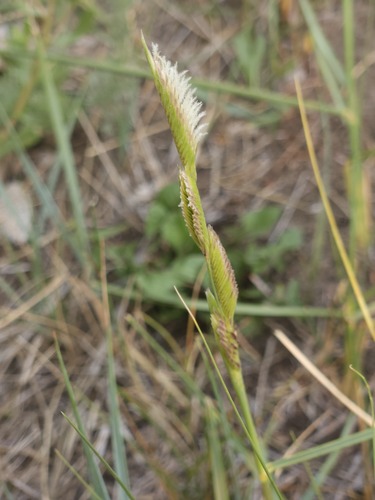
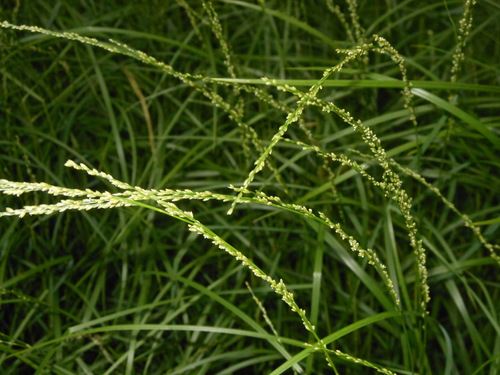
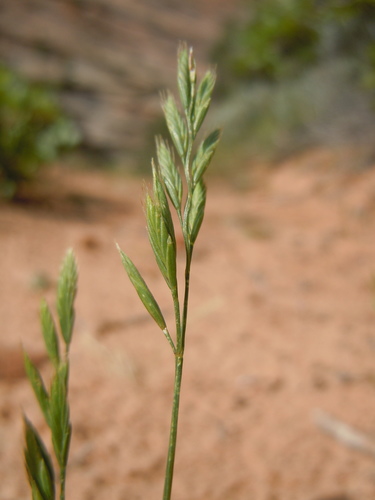
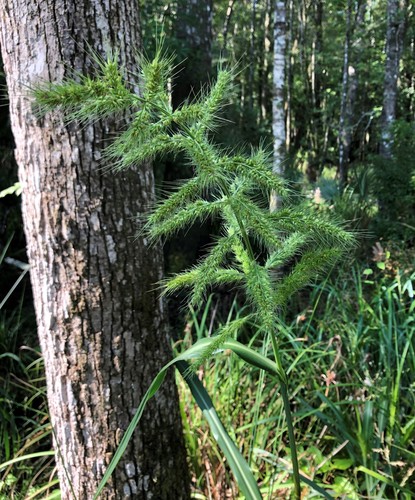
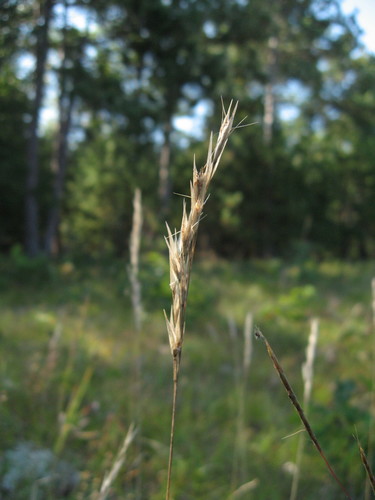
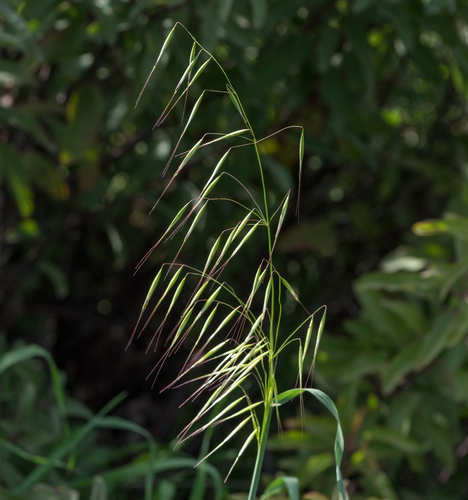
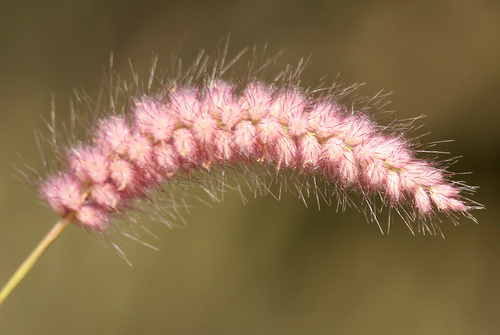
Desho (scientific name Cenchrus pedicellatus (Trin.) Morrone) is a herbaceous perennial grass with a large, soil-anchoring root system. It has a high biomass production capacity, grows upright, and reaches heights between 90 cm and 120 cm, with final height varying based on soil fertility. This grass is planted from cuttings, which have good survival rates and establish better than grasses grown from seed. It grows quickly and becomes drought-resistant once it is fully established. Desho is reported to have high nutritive value and is naturally palatable to livestock. Desho is native to the humid Ethiopian highlands. It was first formally identified as a species in 1991 in Chencha district, located in southern Ethiopia. It can grow at elevations ranging from 1500 to 2800 meters above sea level, but grows best at elevations above 1700 meters. The primary use of desho is year-round livestock fodder. To maintain the long-term productivity of desho plots, permanent exclusion from free-grazing livestock is required, and a cut-and-carry system is recommended. In this system, desho is harvested and carried to livestock for stall feeding. Thanks to its rapid growth, desho can be harvested regularly, with monthly cutting possible during the rainy season. Every year, just before the dry season, enough desho is harvested and stored as hay to feed livestock through the dry season until rains return. One study has tested another use of desho: planting it as grass strips or hedgerows to reduce runoff and soil loss on slopes in the Ethiopian highlands. The study found that in the first few years after establishment, desho grass strips reduce soil loss by roughly 45% compared to slopes with no erosion barriers. However, the study also found that vetiver grass is more effective than desho for this purpose, so vetiver is recommended as the preferred grass for hedgerow erosion control.