About Celypha rufana (Scopoli, 1763)
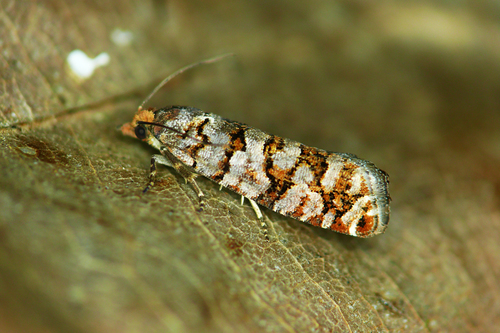
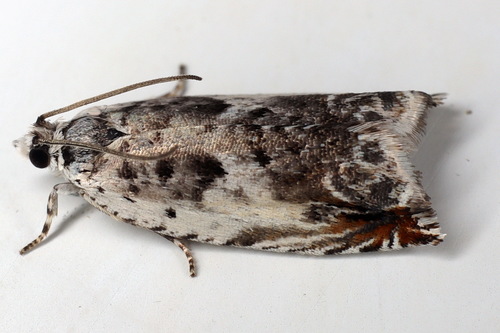
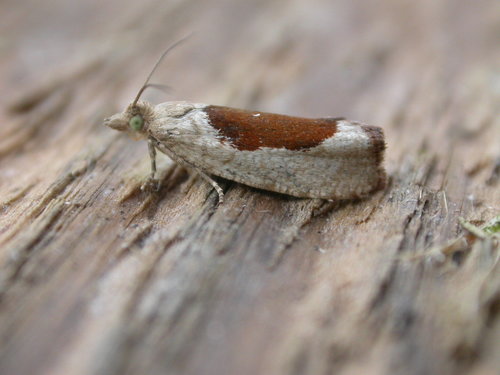
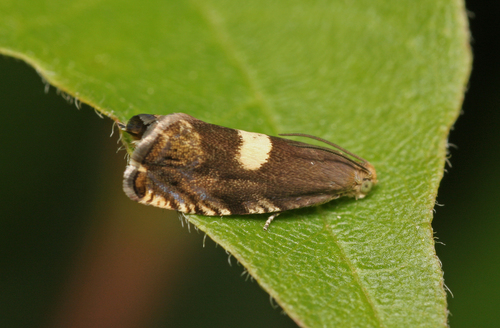
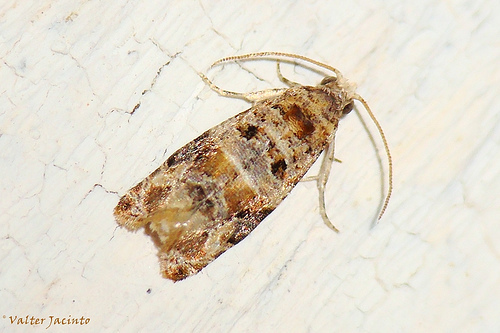
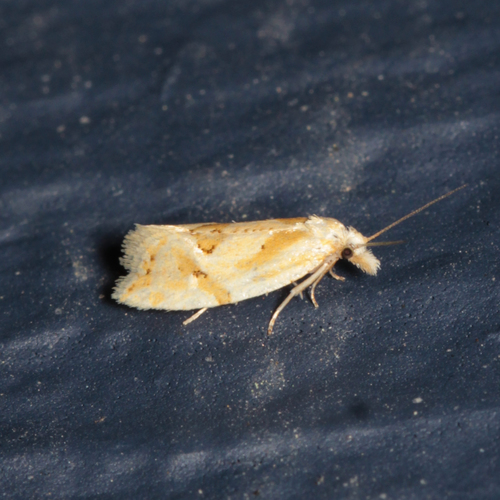
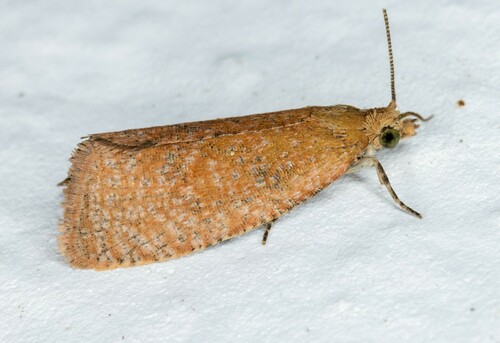
Celypha rufana (Scopoli, 1763) has a wingspan of 15–19 mm. When the moth is freshly emerged, the basic color of its forewings is rosy or purplish. This is why the species was previously given the Latin name rosaceana, which means pinkish. However, this color quickly fades to a dull buff tinge or rufous coloration, and the forewings show a lightly reticulated, net-like pattern. Julius von Kennel has published a full description of this species. This moth is bivoltine, meaning it produces two generations per year. Adults fly during the afternoon and evening, with flight periods occurring from May to July, and again in August and September. Caterpillars feed in April and May, primarily on the rootstock of sow thistles (Sonchus species) and common dandelion (Taraxacum officinale). They have also been recorded feeding on a range of other plants, including Chrysanthemum leucanthemum, Artemisia vulgaris, Plantago, and Achillea. These caterpillars have been reported to be myrmecophilous. This species is present across most of Europe. It typically inhabits rough ground, grassland, and woodland edges.