About Celtis australis L.
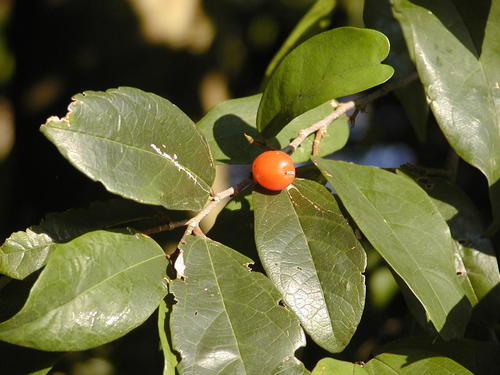
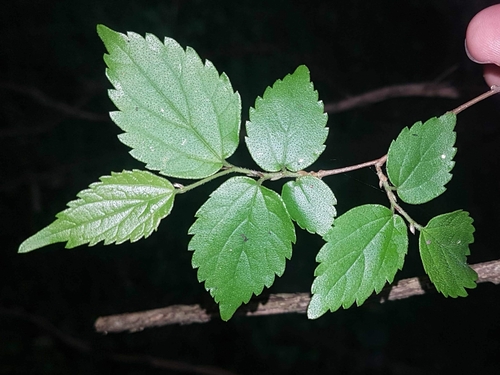
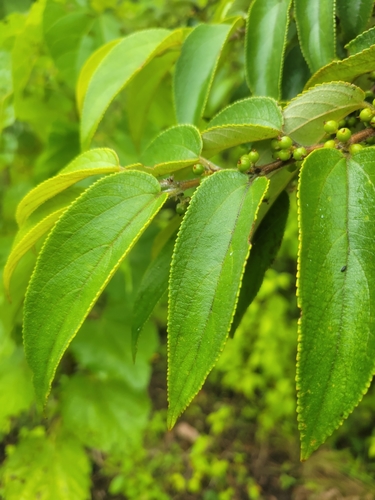
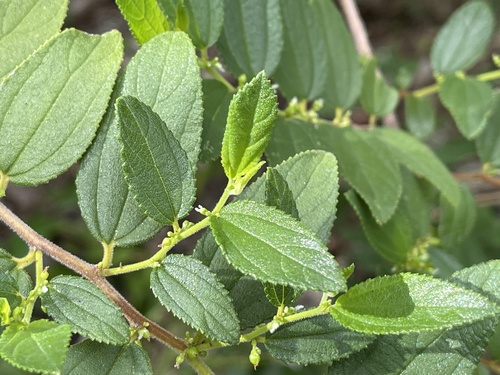
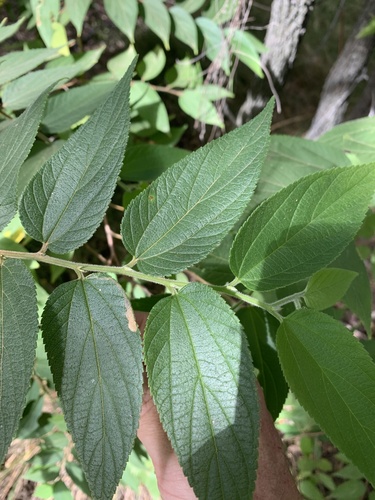
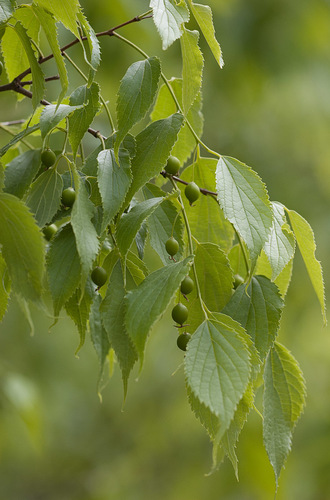
Celtis australis L. is a tree that can reach 25 meters (82 feet) in height, though 10 meters (33 feet) is a more typical size in cooler climates. It has smooth, grey bark with a texture similar to elephant skin. Its alternate leaves are narrow with sharp teeth along the edges; they are wrinkled on the upper surface and covered in dense short hairs on the lower surface. Leaves measure 5–15 centimeters (2–6 inches) long, stay dark grey-green year-round, and fade to pale yellow before dropping in autumn. The flowers lack petals, are pollinated by wind, are perfect hermaphrodite flowers with both male and female organs, are small and green, and grow either singly or in small clusters. The fruit is a small, dark purple, berry-like drupe 1 cm wide that grows in short clusters. This species prefers light, well-drained sandy soils and medium loamy soils, including nutrient-poor soils. It tolerates drought but cannot tolerate shade. Mediterranean climate is especially suitable for this plant, but it can tolerate colder conditions in USDA Zone 7B. Instructions for cultivating the nettle tree are recorded in the 12th-century agricultural text *Book on Agriculture* by Ibn al-'Awwam. The tree was introduced to England in 1796. Birds and other wildlife very commonly feed on its drupes. Trade names for this species are nettle wood and brimji. It is often planted as an ornamental tree because it is long-lived and resistant to air pollution. Its fruit is sweet and edible eaten raw or cooked. Both the leaves and fruit have astringent, emollient, and stomachic medicinal properties. A decoction made from leaves and fruit is used to treat amenorrhoea, heavy menstrual bleeding, inter-menstrual bleeding, and colic. This decoction can also astringe mucous membranes to treat diarrhea, dysentery, and peptic ulcers. A yellow dye can be obtained from the tree's bark. The wood is very tough, pliable, and durable, and is widely used by turners. The flexible thin shoots of the tree are used to make walking sticks.