About Ceiba pentandra (L.) Gaertn.
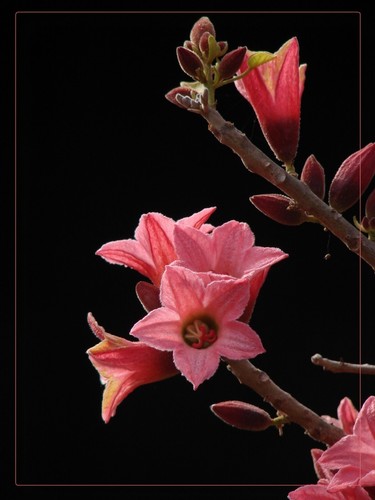
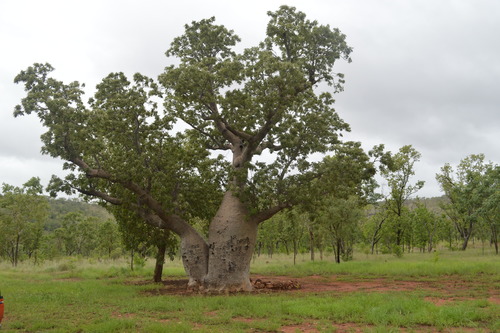
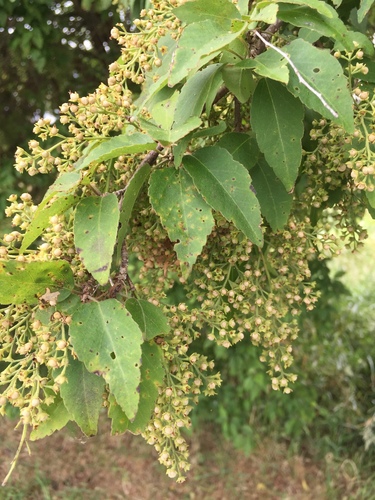
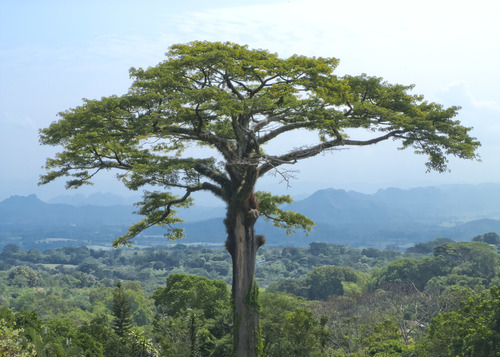
Ceiba pentandra (L.) Gaertn. is a large tree species with documented and reported size differences across regions. The maximum verified height of the species, confirmed via laser measurement, is 60.4 metres (198 ft), though there are unconfirmed claims of individual specimens reaching up to 77 m (253 ft) tall. The tallest, largest specimens of this tree grow in the Neotropics and tropical Africa. In Southeast Asia, C. pentandra typically only reaches a height of 27 m (90 ft). Trunks commonly grow up to 3 m (10 ft) in diameter measured above the tree's extensive buttress roots. The very largest specimens can reach 5.8 m (19 ft) in diameter or more above their buttresses. For some individual trees, buttress roots have been recorded extending 12 to 15 m (40 to 50 ft) up the trunk, reaching up to 20 m (65 ft) out from the trunk, and continuing underground to reach a total length of 50 m (165 ft). The trunk and many larger branches are usually covered in dense clusters of large simple thorns. The tree typically produces 4 to 6 major branches, which can grow up to 1.8 m (6 ft) thick, and form a foliage crown that can reach 60 m (200 ft) in width. Its leaves are palmately divided, made up of 5 to 9, and up to 15, leaflets. Individual leaflets measure 5–21 cm (2–8 in) long and 2–6.5 cm (1–3 in) broad. This tree is briefly deciduous, and it blooms during its leafless period. It produces umbels of large flowers that range in color from creamy white to red. After flowering, the tree develops several hundred 15 cm (6 in) pods. The pods hold seeds surrounded by a fluffy, yellowish fiber that is a mix of lignin and cellulose. Ceiba pentandra originated in the American tropics. While it is commonly believed that humans introduced the species to Africa, there is no historical evidence supporting this introduction. Strong ecological, botanical, and cytological evidence indicates C. pentandra is native to western and central Africa. It remains uncertain how the species may have crossed the Atlantic Ocean, but the tree's fruits float and could have been dispersed there by ocean currents. The species was domesticated in West Africa, and it may be native across a range from Cape Verde east to Chad and south to Angola. It has been introduced from this native range to East Africa and Asia. For commercial purposes, C. pentandra is most heavily cultivated in Asian rainforests, particularly in Java (which gives rise to one of its common names), the Philippines, Malaysia, and Hainan Island in China, and it is also commercially cultivated in South America. The flowers are an important source of nectar and pollen for honey bees and bats. Bats are the primary pollinators of this species' night-blooming flowers. In traditional medicine, a bark decoction of Ceiba pentandra has been used as a diuretic and an aphrodisiac, to treat headaches and type II diabetes, and as an additive in some versions of the psychedelic drink Ayahuasca.