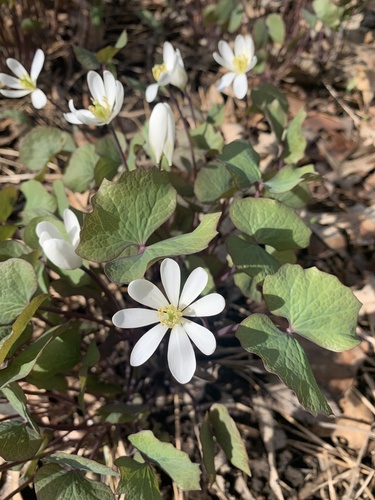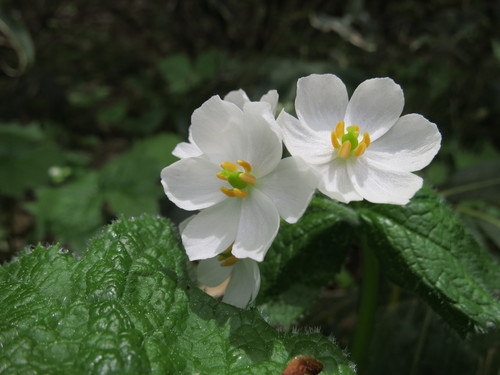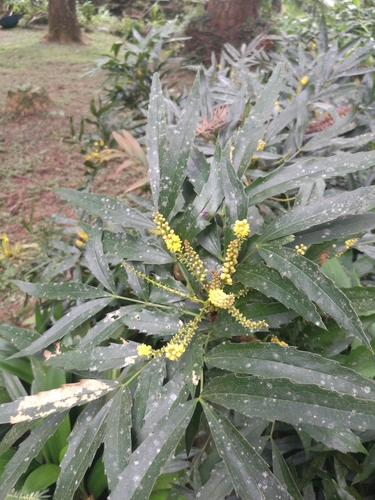
Caulophyllum thalictroides (L.) Michx. is a plant in the Berberidaceae family, order Ranunculales, kingdom Plantae. Toxic/Poisonous.

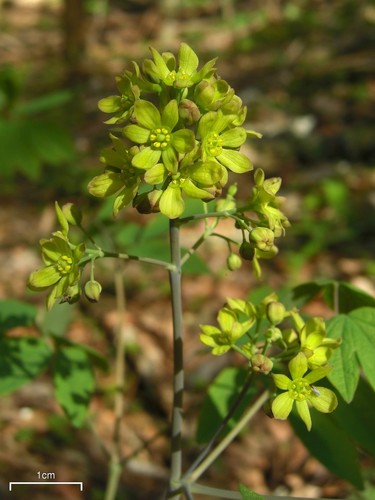
Photo of Caulophyllum thalictroides (L.) Michx. (Caulophyllum thalictroides (L.) Michx.)
🌿 Plantae ⚠️ Poisonous

Caulophyllum thalictroides (L.) Michx.

Caulophyllum thalictroides (L.) Michx.

Caulophyllum thalictroides is a North American forest herb with blue berries, used historically for medicine and as a coffee substitute.

Family
Genus
Caulophyllum
Order
Ranunculales
Class
Magnoliopsida

⚠️ Is Caulophyllum thalictroides (L.) Michx. Poisonous?

Yes, Caulophyllum thalictroides (L.) Michx. (Caulophyllum thalictroides (L.) Michx.) is classified as poisonous or toxic. Toxicity risk detected (mainly via ingestion); avoid direct contact and ingestion. Never consume or handle this species without proper identification by an expert.

About Caulophyllum thalictroides (L.) Michx.

A single stalk growing from the ground produces one large, three-branched leaf. A yellow-flowered inflorescence emerges from this structure, which later develops into bluish berries covered with a glaucous, waxy bloom. These berries look somewhat similar to sloes. The plant's bluish-green leaflets are three-lobed, with smooth (entire) margins at the base and serrated margins at the tip. This species grows in hardwood forests, and favors moist coves and hillsides, typically in shady areas with rich soil. It is native to eastern North America, ranging from Manitoba and Oklahoma eastward to the Atlantic Ocean. It is pollinated early in the growing season by certain bee species, which are attracted to nectar glands located on the plant's petals. When used in high doses as an abortifacient, it can cause symptoms similar to nicotine poisoning. These symptoms include, but are not limited to, nausea and vomiting, headache, dizziness, muscle fasciculations, tachycardia, tachypnea, hypertension, seizure, and respiratory failure. Caulophyllum thalictroides has been used as a medicinal herb by American Indians. Many Native American tribes, and later European herbologists and midwives, used this herb combined with other herbs and fluids for abortive and contraceptive purposes. Its seeds have also been reported to be used as a coffee substitute.
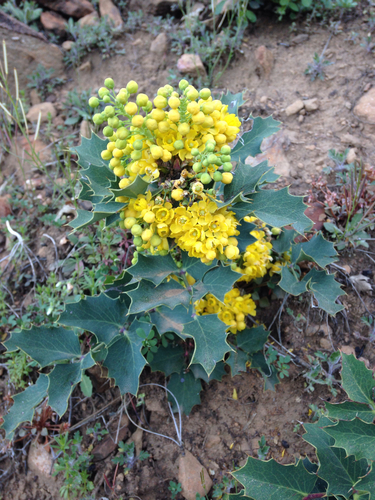
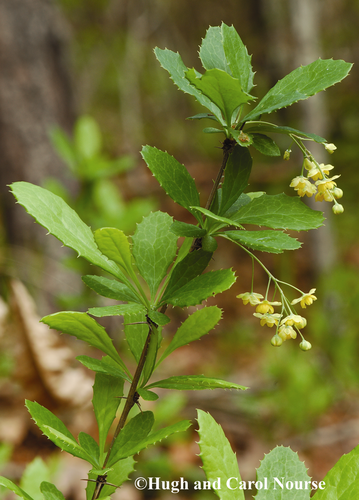
Photo: (c) Jason Hollinger, some rights reserved (CC BY) · cc-by

Taxonomy

Plantae Tracheophyta Magnoliopsida Ranunculales Berberidaceae Caulophyllum
⚠️ View all poisonous species →

More from Berberidaceae

Sources: GBIF, iNaturalist, Wikipedia, NCBI Taxonomy · Disclaimer

Identify Caulophyllum thalictroides (L.) Michx. instantly — even offline

iNature uses on-device AI to identify plants, animals, fungi and more. No internet needed.

Download iNature — Free

Start Exploring Nature Today

Download iNature for free. 10 identifications on us. No account needed. No credit card required.

Download Free on App Store