About Catarhoe cuculata (Hufnagel, 1767)
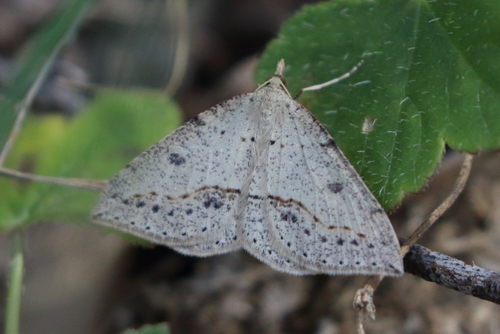
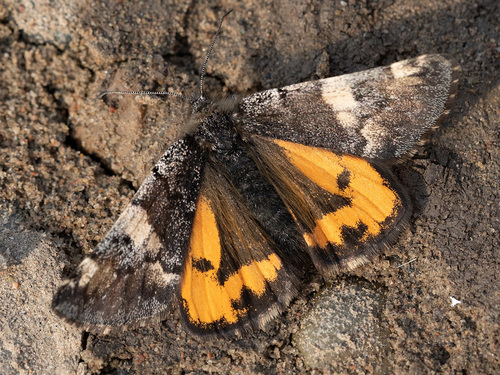
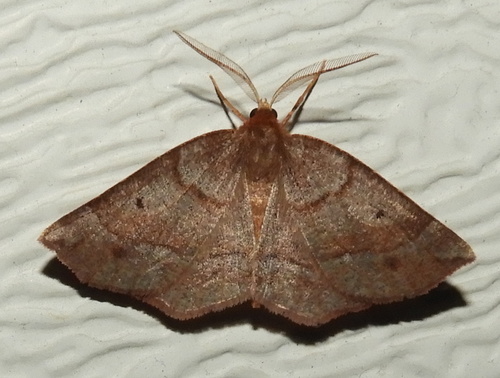
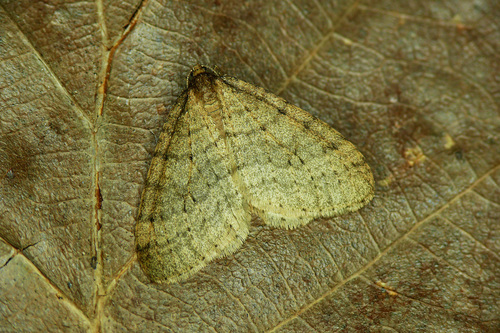
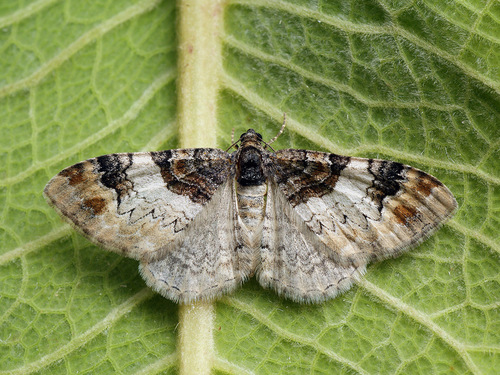
Catarhoe cuculata, commonly known as the royal mantle, is a species of moth in the family Geometridae. It was first described by Johann Siegfried Hufnagel in 1767. It ranges from Europe across western Central Asia to east Siberia, preferring habitats of light forests and forest edges, and also occurs in meadows. Its adult wingspan measures 22–27 mm. The base ground color of its wings is whitish. The forewing base is black with a red-brown band, and two reddish-brown stains sit at the apex. These stains connect to a red-brown crossline and a dark brown-black spot, separated by a thin black crossline. The first crossline near the forewing base is red with a thick black border. This species is defined by alternating chestnut and blackish brown bands in the proximal forewing area, a white median area, and the distinct shape of its postmedian band. The aberration ab. circulata Rbl. is a remarkable, possibly unique form where dark central area bands connect on the subcostal and median veins, enclosing a rounded white patch. Larvae are green or yellowish, with prominent blackish or dark purple subdorsal stripes. The pupa is reddish, with browner wings. Adults fly from April to August in one generation per year. Larvae feed on Galium species, and can be found from July to September. The species overwinters as a pupa.