About Caryota mitis Lour.
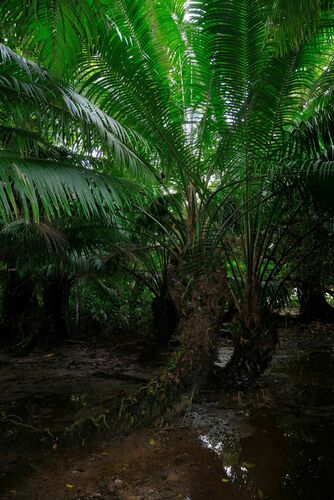
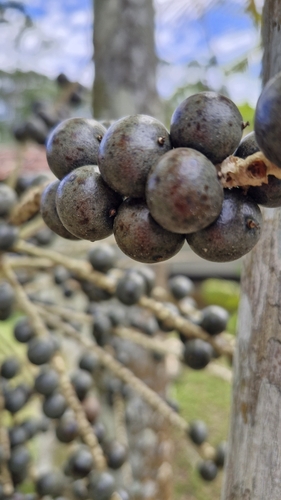
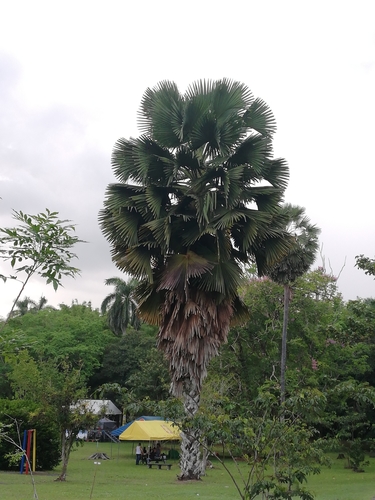
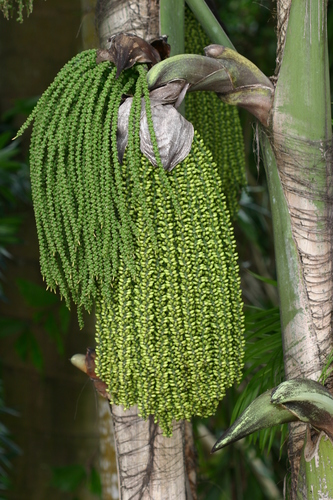
Botany: Caryota mitis produces clustered stems that can reach up to 10 m (33 feet) tall and 15 cm (6 inches) in diameter. Its leaves can grow up to 3 m (10 feet) long. Each leaf consists of many pairs of tail fin-shaped leaflets, which give this palm its common name. It bears purple flowers that grow on hanging spikes. When ripe, its fruits turn dark purple or red; these fruits are harmful to humans. The tree slowly begins to deteriorate shortly after it produces fruit.
Toxicity: The fruit of C. mitis is full of raphides, which are sharp, needle-shaped calcium oxalate crystals. These raphides act as strong irritants: contact with skin causes damage followed by itching, and ingestion causes irritation to the mouth. This irritation comes from the physical structure of the raphides, not from any chemical reaction.
Uses: This species is primarily cultivated as an ornamental plant in Cambodia, where it is called tunsaé töch. In Cambodian traditional medicine, healers burn piles of felted hairs collected from the leaf axils to treat diseased or injured patient limbs. Starch flour with properties similar to sago can be extracted from the pith of its trunk.