About Carex rariflora (Wahlenb.) Sm.
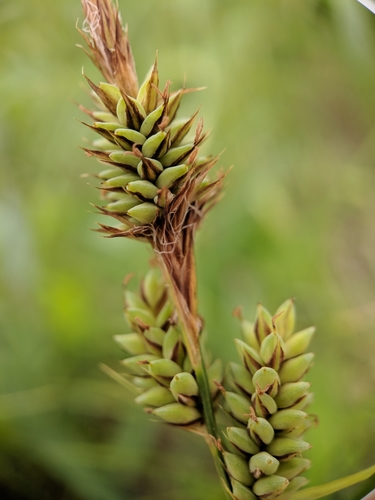
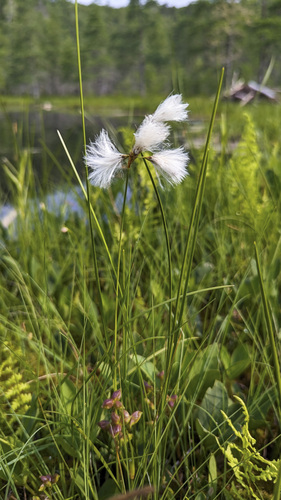
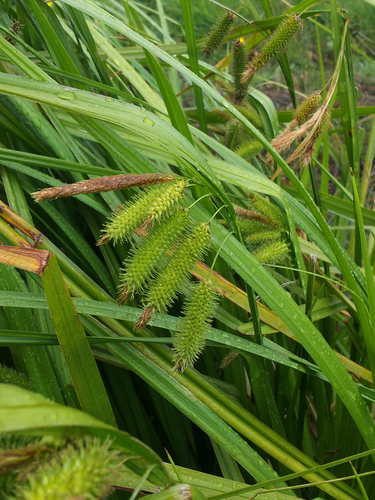
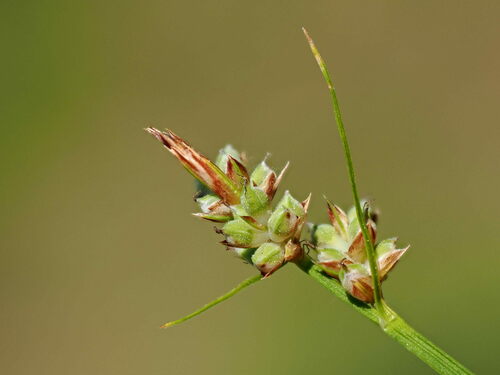
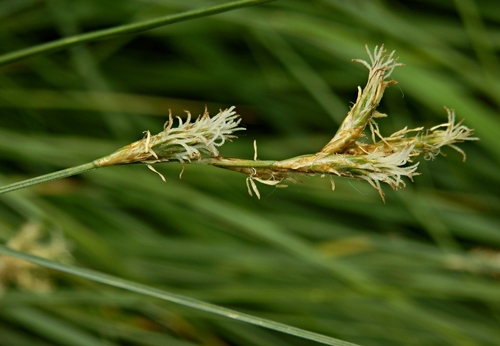
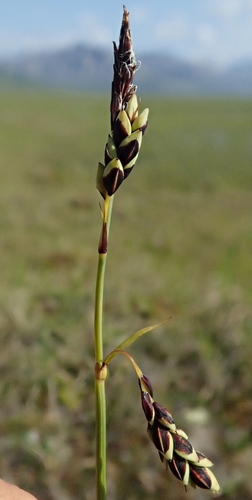
Carex rariflora, commonly called the looseflower alpine sedge, is a plant species that belongs to the sedge family. It occurs in the United States in Alaska and Maine, and in Canada in New Brunswick and Nova Scotia. Within these regions, it is classified as an obligate hydrophyte for the purpose of identifying wetland areas. It favors wet habitats including open bogs, meadows, seepage slopes, and low-elevation heath tundra. This perennial grass-like plant reaches up to 3 feet in height, has fibrous roots, and keeps all of its perennial organs underground. Its leaves are alternate, long, narrow, simple, and marked with parallel veins. The leaves grow in dense clusters, and dead leaves remain at the base of the plant. The species blooms and produces fruit during the summer. All of its flowers are monoecious and unisexual, arranged in a spike inflorescence. Every inflorescence is subtended by shorter proximal bracts.