About Carebara vidua Smith, 1858
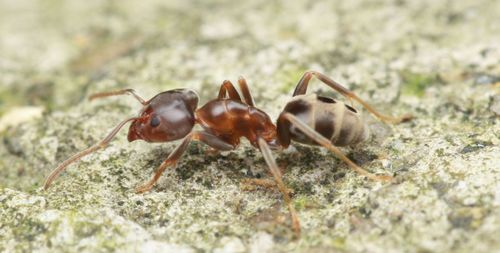
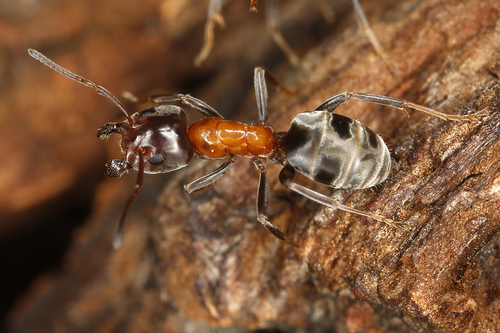
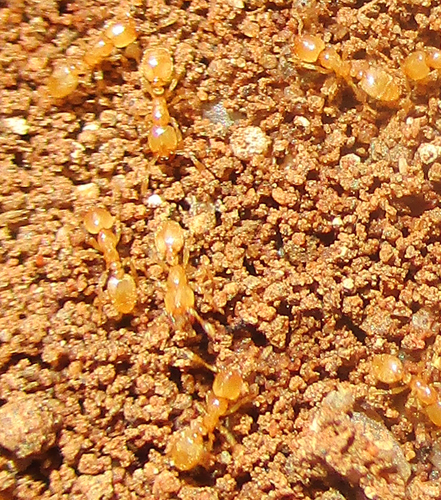
Description: Adult female Carebara vidua are relatively large ants, measuring approximately 20–25 mm in length. They have a shiny black body and a conspicuously enlarged, rounded abdomen. Females are winged during their reproductive phase. Males are smaller at approximately 10 mm long, are winged, and have a paler abdomen. Worker ants are much smaller, typically 3–5 mm in length, are wingless, and possess a functional sting. Like other hymenopterans, this species has chewing mouthparts, compound eyes, three ocelli, and segmented antennae. Distribution and habitat: Carebara vidua occurs in the Lake Victoria basin of western Kenya, including Kisumu and Siaya counties. The species constructs extensive subterranean colonies made of interconnected chambers and galleries, often located under soil, rocks, or human structures. Colonies are difficult to detect except during reproductive swarming events. Ecology and life cycle: The species is omnivorous, feeding on small insects, larvae, worms, plant material, nectar, sugary exudates, and honeydew from aphids and scale insects. Colonies are made up of reproductive males and females, plus a larger number of non-reproductive workers that are responsible for foraging and nest maintenance. Reproductive swarming occurs once annually, typically during the long rainy season. Winged males and females emerge from underground nests between late morning and mid-afternoon. After mating, males die shortly afterwards, while fertilized females establish new colonies by excavating shallow chambers in the soil; eggs hatch within approximately 5–7 days in these new colonies. Human use: Among the Luo and Luhya communities of western Kenya, Carebara vidua is traditionally collected and consumed as food, and is regarded as having medicinal properties. Elderly community members associate this ant with improved vitality and the management of certain ailments. The ants are typically consumed whole, although some people prefer to eat only the abdomen due to its high fat content. The species is rarely sold in markets because of its scarcity and its perceived high personal value.