About Calosoma scrutator (Fabricius, 1775)
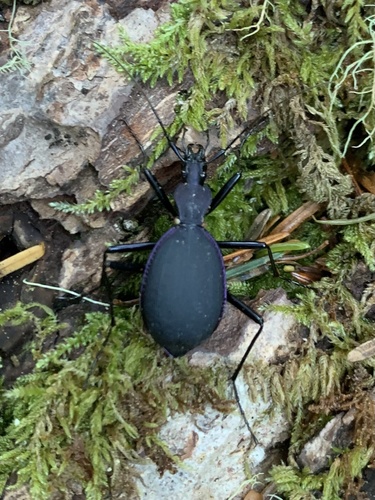
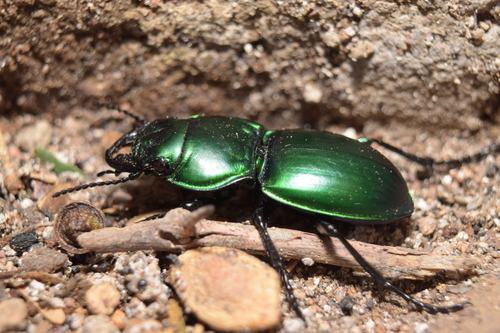
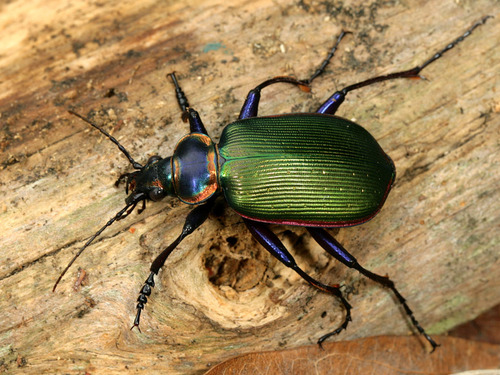
Calosoma scrutator, commonly known as the fiery searcher and caterpillar hunter, is a species of ground beetle in the genus Calosoma. It can reach up to 35 millimetres (1.4 in) in length, making it one of the largest ground beetle species found in North America. This species is widespread and common across North America, where it is mostly found along the east coast of the United States. It has also been recorded in Mexico, Guatemala, Venezuela, and Central America. Johan Christian Fabricius originally described this species from Virginia in 1775. Both adults and larvae of this beetle are predatory. Its varied coloration and metallic shine make it a popular species among insect collectors. When handled, adult beetles excrete a foul-smelling oil described as similar in scent to rotten milk or rancid olive oil. Adult C. scrutator feed on caterpillars and other worms, most notably forest tent caterpillars (Malacosoma disstria), cankerworms, and agricultural pest larvae such as spongy moth (formerly gypsy moth) larvae. This diet of caterpillars gives the species its common nickname "caterpillar hunter". Because it consumes many pest species that defoliate trees and crops, this beetle is considered beneficial to gardens and agricultural areas. Natural predators of the fiery searcher include skunks, birds, raccoons, toads, and foxes. As a ground beetle, C. scrutator spends most of its time on the ground, though it is capable of climbing trees. It is a primarily nocturnal hunter that is most active during spring. In winter, it hides in leaf litter, under fallen leaves, and under tree bark. It is most often found in open fields and garden areas that provide space for hunting, but it also occurs in deciduous forests and urbanized areas. The life cycle of C. scrutator has four stages: egg, larva, pupa, and adult. The entire life cycle can be completed within one year. Females lay eggs between May and July, placing eggs in soil. When eggs hatch, predatory larvae emerge that feed on the same soft-bodied prey as adult beetles. The larval stage lasts approximately 7 to 9 days, after which the larva burrows into soil to pupate. Pupation takes 10 to 15 days. Newly formed pupae are white, and develop darker coloration as they mature. Once they reach adulthood, these beetles can live up to 4 years.