About Calocephalus brownii (Cass.) F.Muell.
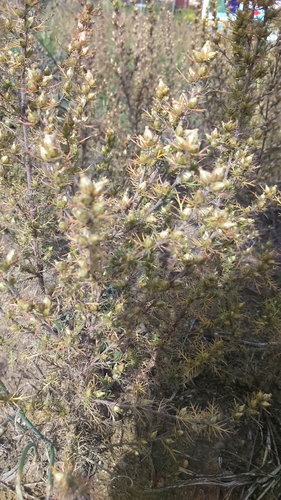
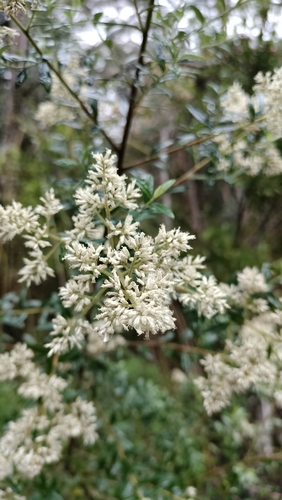
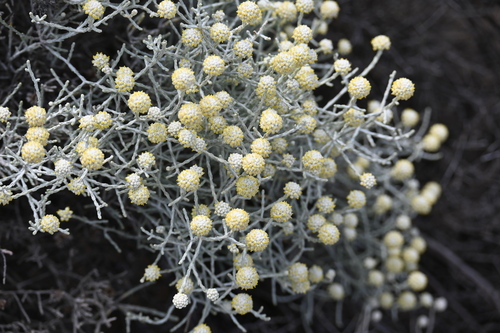
Leucophyta is a plant genus endemic to Australia, first formally described by botanist Robert Brown in 1818. The only species in this genus is Leucophyta brownii, also commonly called cushion bush, which is also classified under the scientific name Calocephalus brownii (Cass.) F.Muell. In 1891, German botanist Otto Kuntze placed a number of other species into this genus in his work Revisio Generum Plantarum, but none of these name combinations are currently accepted; these species are now classified across the genera Balladonia, Blennospora, Calocephalus, and Gnephosis. Leucophyta brownii is a small, rounded shrub with tangled, covered in fine hair branchlets that give the plant a silvery look. While it can reach up to one metre in height, it most commonly grows between 0.2 and 0.7 metres tall. It flowers during the Australian summer, from December to February, producing white-yellow, globe-shaped flower heads around 1 centimetre in diameter. This species is commonly cultivated in Australia, and a selected dwarf cultivar from Tasmania called 'Silver Nugget' is also grown. Leucophyta brownii is naturally found in coastal habitats. It commonly grows on the exposed faces of cliffs and dunes along the south coast of Australia. It is highly tolerant of strong prevailing winds, sea spray, drought, and frost. It grows primarily in sand or sandstone-derived soil, which may be highly alkaline when the sand is made up of calcium carbonate. It grows best in full sun.