About Cajanus cajan (L.) Huth
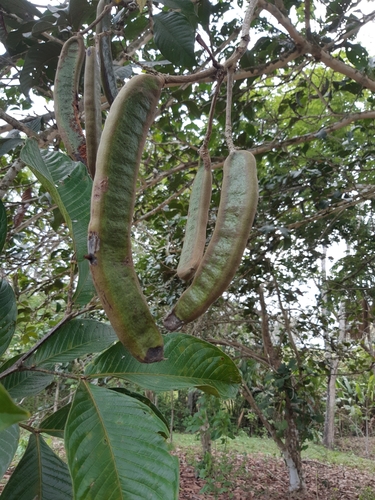
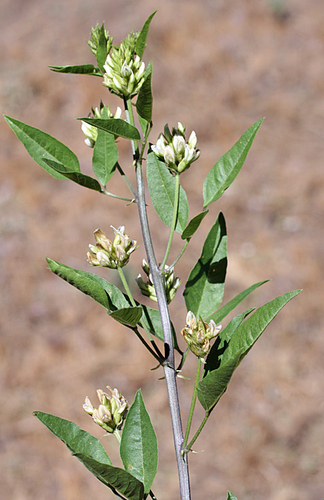
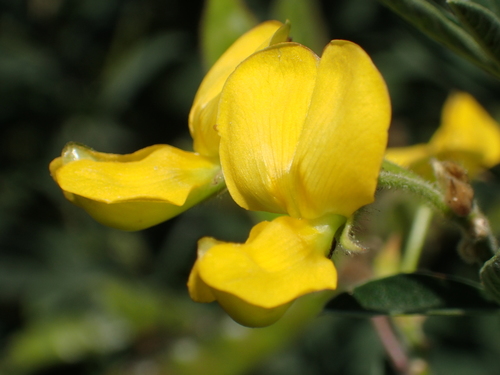
The pigeon pea, with the scientific name Cajanus cajan (L.) Huth and also known as toor dal, is a perennial legume in the family Fabaceae that is native to the Eastern Hemisphere. It is widely cultivated in tropical and semitropical regions across the world, and is commonly consumed in South Asia, Southeast Asia, Africa, Latin America and the Caribbean. Pigeon pea has two main cultivation types: a perennial variety that can produce crops for three to five years, though seed yield drops significantly after the first two years, and an annual variety that is more suitable for seed production. Pigeon pea functions both as a food crop, used for dried peas, flour, or green vegetable peas, and as a forage and cover crop. When paired with cereals, pigeon peas create a well-balanced meal, so nutritionists favor it as an essential ingredient for balanced diets. Dried pigeon peas can be briefly sprouted before cooking, producing a different flavor than green or unsprouted dried peas. Pigeon pea has been valued for its medicinal properties since prehistoric times across multiple regions, including Africa, Egypt and Asia. Today, different countries use different parts of the plant to treat a range of diseases as a form of alternative medicine. In the Republic of Congo, the Kongo, Lari, and Dondo peoples use the sap from the plant's leaves as an eyedrop to treat epilepsy. In Nigeria, the leaves are used to treat malaria, while in India the leaves are used to treat diabetes, stomach tumours and wounds. In Oman, pigeon pea is used to treat chronic diseases, and in traditional Chinese medicine it is used to relieve pain and eliminate intestinal worms. In Africa, the seeds are used to treat hepatitis and measles. The widespread traditional medicinal use of pigeon pea is linked to its rich content of phenolic compounds, which have antiviral, anti-inflammatory, antioxidant, hypocholesterolemic and hypoglycaemic effects. The leaves also contain flavonoids, terpenoids, essential oils and coumarin, which further increase the plant's therapeutic potential for fighting disease. Multiple current studies are investigating how the medicinal compounds found in pigeon pea could be used in the future. One study conducted on rats found that a pigeon pea beverage could be used as an anti-diabetic functional drink. This drink helps reduce plasma glucose and total cholesterol levels and increases plasma antioxidant status, so it could be used in the future as an alternative approach to maintain normal plasma glucose and cholesterol levels and help prevent diabetes complications. In addition, pigeon pea can be used to make fermented food, which increases its antioxidant levels and produces an antiatherosclerotic effect. This helps improve both systolic and diastolic blood pressure, which benefits cardiovascular health, and could be developed into a new dietary supplement or functional food that prevents hypertension. In Madagascar, pigeon pea branches have been used as teeth cleaning twigs.