About Butia yatay (Mart.) Becc.
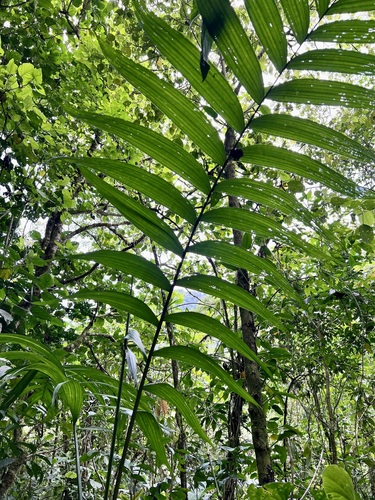
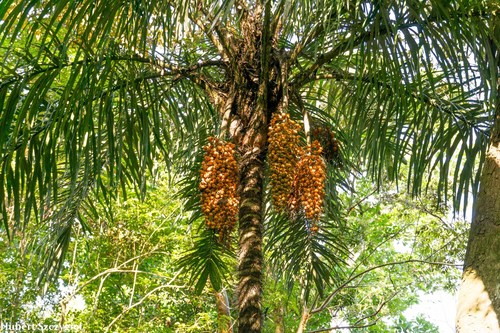
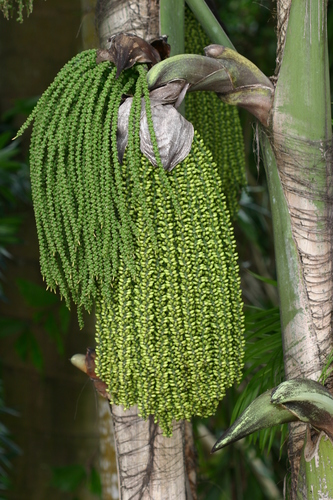
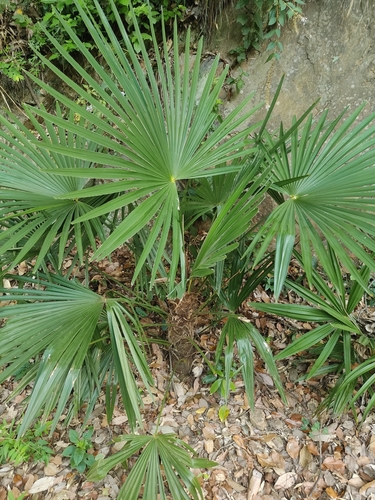
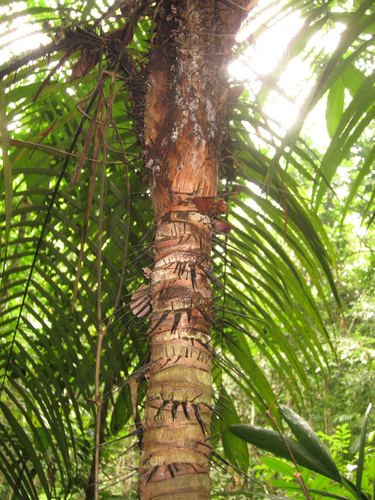
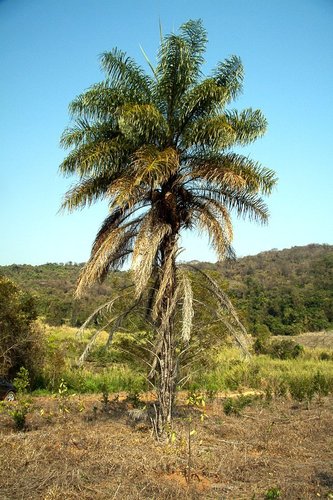
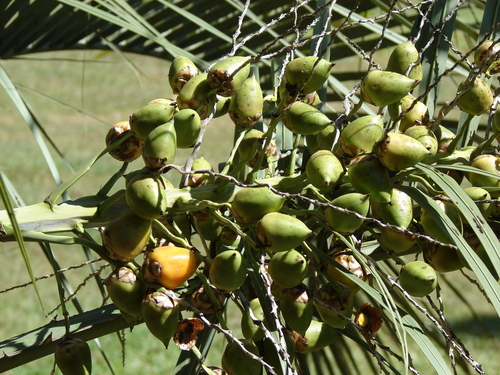
This is a solitary-trunked palm species. Its trunk often grows at an incline, and reaches 3 to 16 metres tall, exceptionally up to 18 metres tall. In Brazil, individuals usually grow shorter, reaching a maximum height of 8m. The trunk diameter ranges from 30 to 55 cm, and it usually retains a persistent coat of old leaf bases, which do not shed easily naturally and remain attached for many years. This slow-growing palm reaches 12 to 18 metres tall with a 50 cm trunk diameter in its natural habitat. It grows in giant, ancient, almost monoculture groves in savannah habitats called pampas in Latin America. It is most often found in sandy soils; these soils are typically much rockier than the soils where other Butia palms grow. It grows at altitudes between 0 and 500 metres. It fruits abundantly in summer, and its seeds germinate in the wild during spring or autumn. In Brazil, this species only occurs in the southernmost state of Rio Grande do Sul, specifically restricted to the municipalities of Giruá and Quaraí. In Argentina, it is found in the north-central provinces of Chaco, Corrientes, Entre Ríos, Misiones (within the municipalities of Candelaria and San Ignacio) and Santa Fe. In Uruguay, it only occurs in the western departments of Paysandú and Río Negro. In 1993, this palm's nuts were alleged to be the main diet of the glaucous macaw, though the taxonomy of local Butia populations has changed somewhat since this claim was made. This species is considered one of the natural host plants for larvae (caterpillars) of the giant day-flying moth Paysandisia archon. The moth larvae attack the piths of this palm, along with many other palm species. This interaction is especially recorded in Europe, where the moth has become naturalised. The moth was likely introduced to Europe from Argentina, hidden in the trunks of B. yatay and Trithrinax campestris that were imported as ornamental palms for horticulture. An infestation of this moth can kill the palm. The moth prefers palm genera with hairy trunks, because the trunk fibre is used to construct cocoons for pupae. In Europe, the moth prefers Trachycarpus above all other genera, but will also use Trithrinax or Chamaerops. Bauermann et al. investigated whether this palm's pollen, among other palm species, could be used in palynology to provide more detail about ancient habitat changes in Rio Grande do Sul, Brazil, by tracking changes in palm distribution and abundance. The study was unable to provide much additional detail on the topic.