About Buteogallus aequinoctialis (Gmelin, 1788)
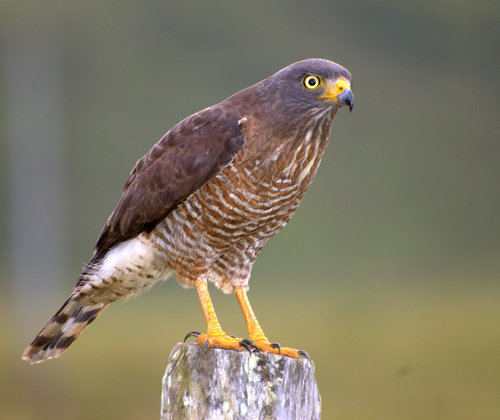
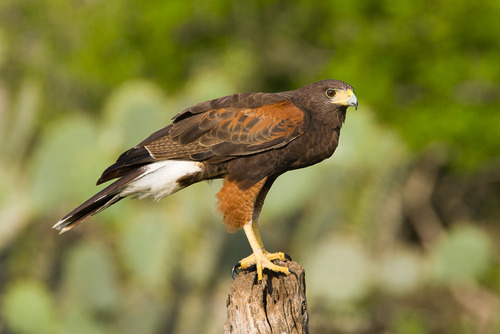
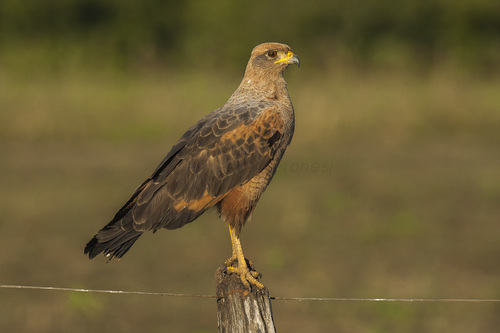
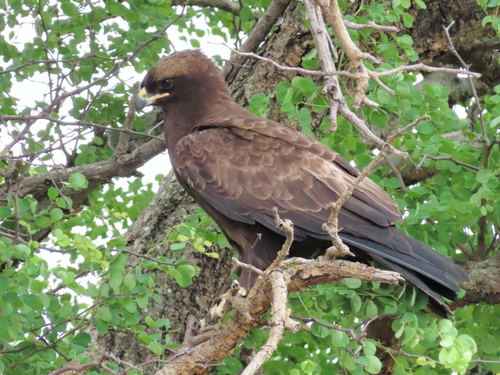
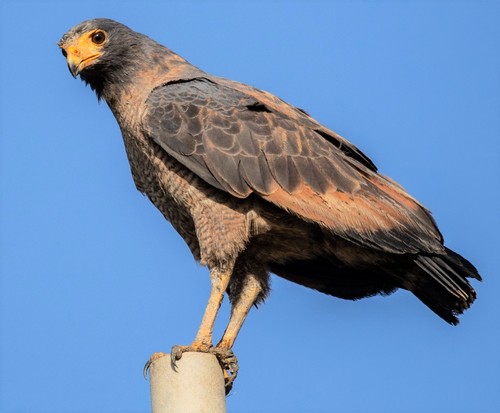
Buteogallus aequinoctialis, commonly called the rufous crab hawk, measures 42.5 to 46 cm (17 to 18 in) in total length, with a wingspan ranging from 90 to 106 cm (35 to 42 in). Males weigh 506 to 665 g (18 to 23 oz), while females are heavier, weighing approximately 725 to 945 g (26 to 33 oz). Males and females have identical plumage. For adult individuals, the head, throat, and neck are sooty black, the back is dark rufous with light rufous edging, and the underparts are rufous marked with fine dark barring. The tail is black with a white tip and a thin white band; eyes are brown, and the cere and feet range from yellow to dusky orange. Immature rufous crab hawks have brown to blackish brown upperparts, a grayish tail, and white underparts with dusky streaks. The rufous crab hawk is found on Trinidad, and along the coast of the South American mainland. Its range extends from the Orinoco Delta in Venezuela, through the Guianas, into Brazil, reaching as far south as the southeastern Brazilian state of Paraná. It primarily lives in mangroves, but can also be found in coastal swamps, wet savanna, and river edges close to the coast. All of these habitats are essentially at sea level.