About Brucea javanica (L.) Merr.
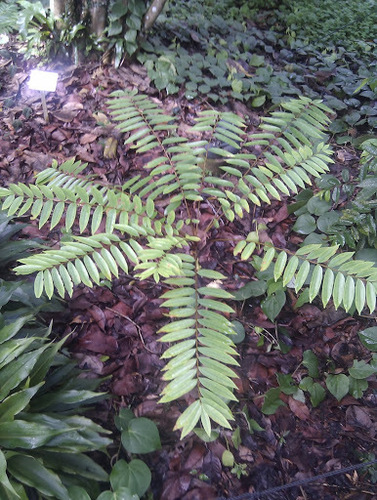
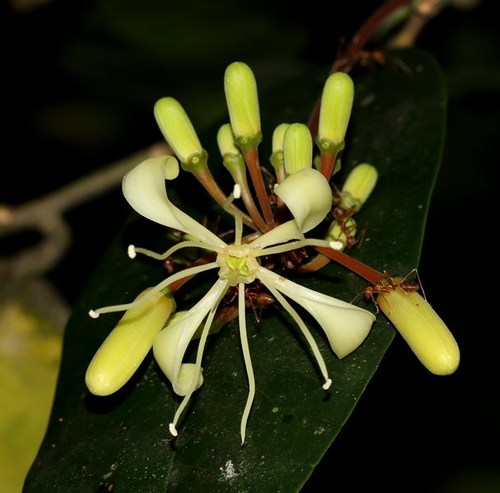
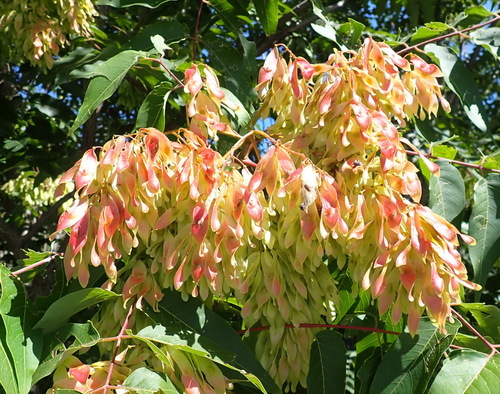
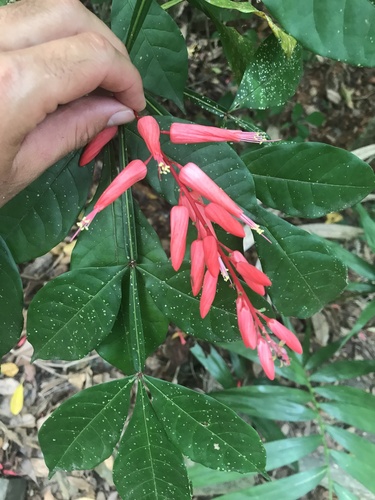
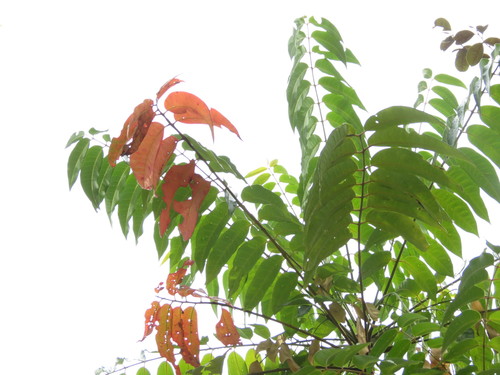
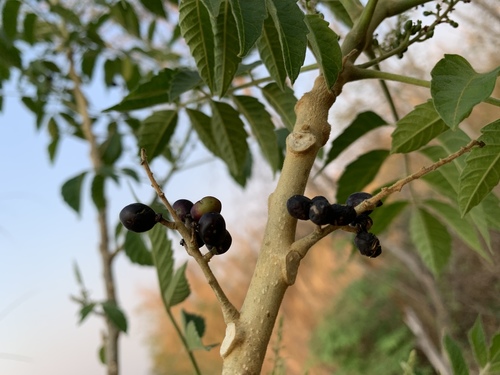
Brucea javanica (L.) Merr. grows as a shrub or small tree that reaches up to 5 metres (16 feet) in height. It bears compound leaves with 3 to 15 leaflets, most often 7 to 9; leaflets are ovate to ovate-lanceolate, have serrate margins, taper to a pointed apex, and measure 20 to 40 cm long when mature. The leaves are covered in fine hairs, which are most prominent along the veins and on the leaf undersides. All parts of this plant have an intense bitter taste. Its tiny flowers measure 1.5 to 2 mm in diameter, are greenish white, greenish red, or purple, and grow in panicles. This species is monoecious, meaning it produces separate male and female flowers on the same individual plant, and its anthers are typically red. Flowering and fruiting times vary by location: in the northern hemisphere, it flowers in June and July and produces fruit from July to August; in Australia, it flowers from October to February and fruits from February to July. Its fruits are drupes that grow up to 0.5 cm (0.2 inches) long. Ripe fruits are black-gray, and become wrinkled when dried. The seed is whitish yellow and covered by an oily membrane. Brucea javanica occurs naturally across a range from Sri Lanka and India through China, Indochina, Malesia, and New Guinea to Australia. It grows in open areas, secondary forest, and sometimes on sand dunes. In Australia, it grows as an understory tree at altitudes from sea level up to 500 metres (1,600 feet).