About Brachypelma albiceps Pocock, 1903
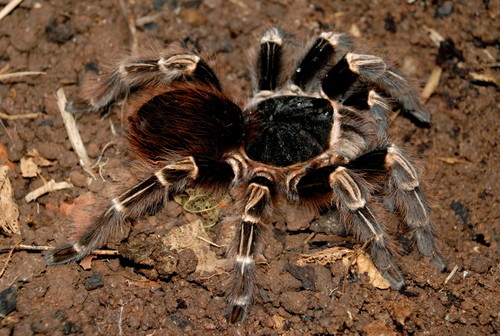
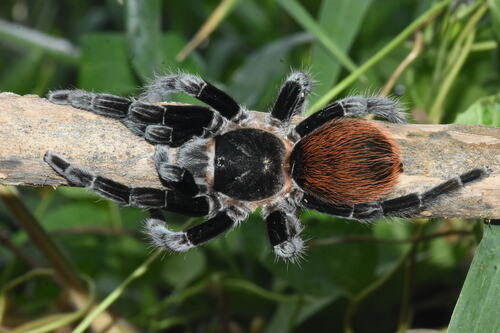
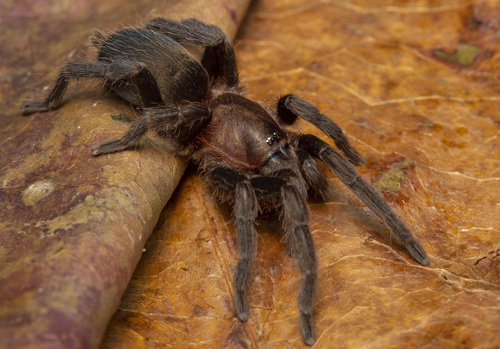
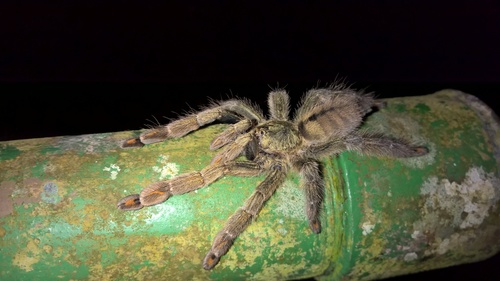
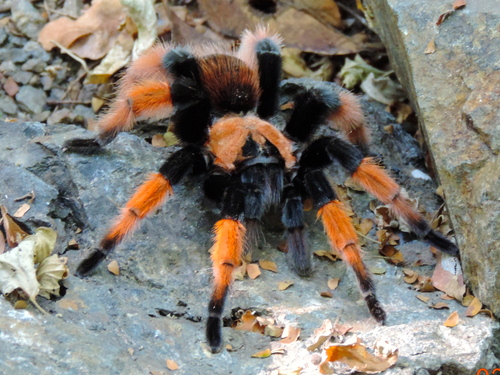
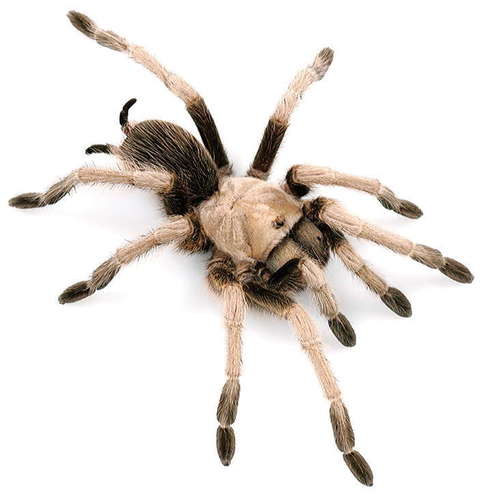
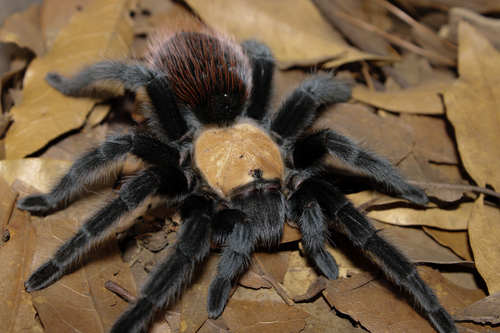
Female Brachypelma albiceps have a body length of around 65 mm. Their fourth leg is the longest, measuring approximately 60 mm. The carapace is covered in fine hair; its visible color changes with illumination, ranging from sandy grey to rose or yellow. The pedipalps and first two pairs of legs are often lighter in color than the last two pairs of legs. The abdomen is dark, covered in longish, bright red setae (hairs). The spermatheca of this species has two rounded seminal receptacles. Brachypelma albiceps is endemic to the central highlands of Mexico, occurring most commonly in Guerrero and southern Morelos. In the wild, individuals construct long burrows, usually underneath large rocks, but they may also occupy abandoned nests left by rodents or other animals. They are most active during night and dusk. Two months after mating, females produce cocoons that hold roughly 500 eggs, with the maximum number reaching up to 900. Spiderlings hatch between 8 and 10 weeks after egg laying. The natural diet of Brachypelma albiceps typically consists of crickets, grasshoppers, beetles, and cockroaches. In captivity, the species generally requires live food such as moths, mealworms, and pinky mice, as it will often ignore dead food.