About Brachylaena discolor DC.
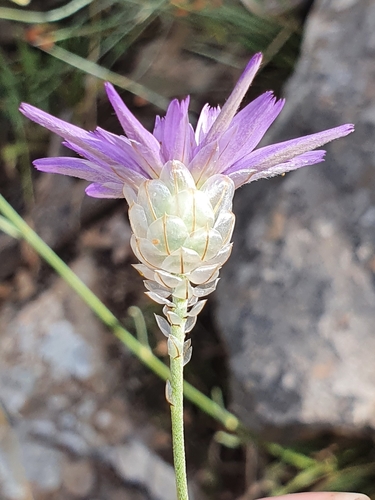
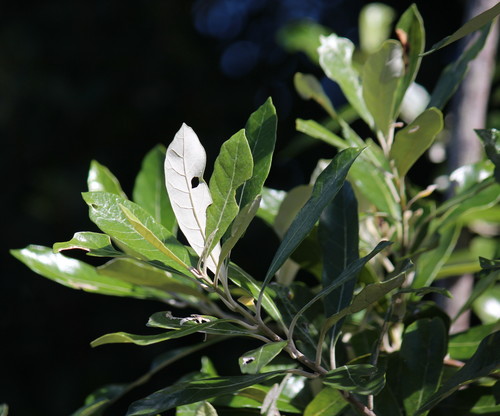
Brachylaena discolor DC. is a species that grows as a shrub or tree, generally reaching around 10 meters in height, though it can sometimes grow to 27 to 29 meters tall. New branches are hairy, and range in color from brown to purple-tinged. Its leaves are oval or oblong, usually growing up to 12 centimeters long. Leaf edges can be smooth, toothed, or spine-toothed. Most leaves are hairless, with a shiny dull green upper surface and a grayish hairy underside. Flowers grow in large panicles at the ends of branches, and in shorter panicles in the leaf axils. This species is dioecious, and its flower heads resemble plump shaving brushes. Male plants produce flower heads with short phyllaries and a single layer of pappus hairs, while female flower heads have longer phyllaries and multiple layers of pappus hairs. This plant grows in coastal forests, on mangrove edges, and alongside rivers. Its flowers produce abundant nectar that attracts insects and birds, and it is a good honey plant. Antelopes including nyala, bushbuck, and duikers may browse its leaves. It has become naturalized in Queensland, where it is considered a potential weed. Its yellow, strong wood has been used for many purposes, including boat construction, fences, housing and roofing, axles, tools, and knobkierries. It is also valued as a carving wood. The plant's ash has been used in soap production. Native Africans and European settlers used the plant medicinally to treat kidney conditions, diabetes, gastrointestinal bleeding, intestinal parasites, and chest pain. It is also cultivated as an ornamental plant for gardens and landscaping, tolerates coastal habitats, and can be used to stabilize dunes.