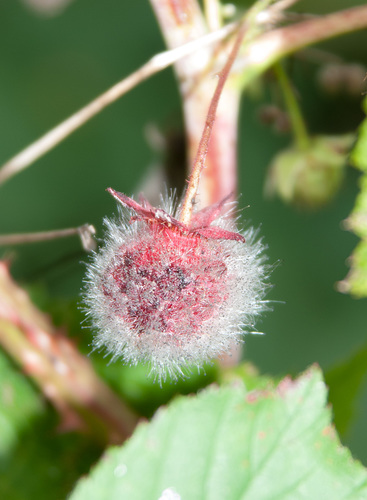
About Botrytis cinerea Pers.
Botrytis cinerea Pers. is a necrotrophic fungus that feeds on dead tissue and infects many plant species, including wine grapes. In viticulture, it is commonly called "botrytis bunch rot"; in horticulture, it is usually known as "grey mould" or "gray mold". This fungus causes two distinct types of infection on grapes. The first is grey rot, which develops under consistently wet or humid conditions and typically leads to the loss of the affected grape bunches. The second is noble rot, which forms when drier conditions follow wet conditions, and this infection enables production of distinctive sweet dessert wines such as Sauternes, the Aszú of Tokaji, and Grasă de Cotnari. The species name Botrytis cinerea comes from Latin meaning "grapes like ashes". The "grapes" in the name refers to how fungal spores bunch together on their conidiophores, while "ashes" refers to the greyish color of the spores en masse. This fungus is most often referred to by its anamorph, or asexual form, name because its sexual phase is rarely observed. Its teleomorph, or sexual form, is the ascomycete Botryotinia fuckeliana, which is also called Botryotinia cinerea. Gray mold favors moist, humid, warm environmental conditions, with an optimal temperature range between 18–24 °C (65–75 °F). A combination of temperature, relative humidity, and wetness duration creates an environment conducive to inoculation by either mycelium or conidia. Controlled environments such as commercial crop production greenhouses often provide the moisture and warm temperatures that help B. cinerea spread and develop. Standing water on plant leaf surfaces gives spores a suitable site to germinate. Humid conditions can develop from improper irrigation practices, plants spaced too closely together, or greenhouse structures that do not allow efficient ventilation and air flow. Providing ventilation at night significantly reduces the incidence of gray mold. Melanized sclerotia allow B. cinerea to survive for multiple years in soil. Both sclerotia and asexual conidia spores contribute to the pathogen's ability to cause widespread infection. Gray mold performs best in low pH environments. B. cinerea can acidify its surroundings by secreting organic acids such as oxalic acid. Acidifying its environment enhances the activity of the fungus's cell wall degrading enzymes (CWDEs), inhibits plant-protection enzymes, deregulates stomatal closure, and mediates pH signaling to help the fungus successfully cause disease.