About Bongardia chrysogonum (L.) Spach
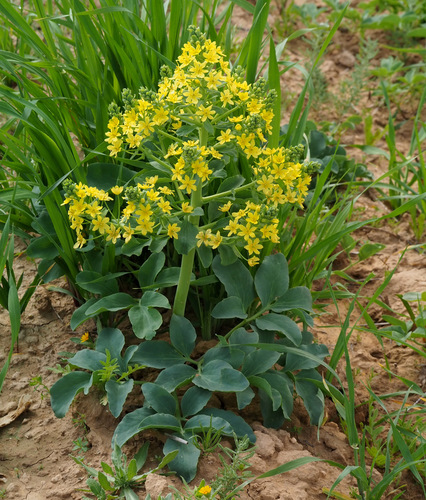
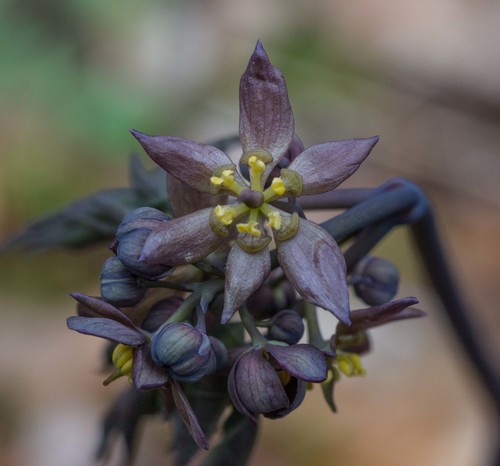
Bongardia is a very small plant genus in the family Berberidaceae, first formally described in 1831. Only two species are known to belong to this genus. The first is Bongardia chrysogonum, which is native to North Africa, Greece, and the Middle East. The second is B. margalla, which is native to Pakistan. Before 1996, the genus was considered to contain only a single species; in 1996, Govaerts recognized that Pakistani populations belong to a separate, distinct second species. All species in this genus are tuberous herbaceous plants. They grow from a large rounded tuber, and produce attractive pinnate leaves. Their flowers are hermaphrodite, meaning each flower has both male and female reproductive organs. These rare plants grow naturally on rocky mountain slopes and in cultivated fields, in regions that have dry summers and snowy winters. The genus was named to honor Gustav Heinrich von Bongard (1786–1839), a German botanist who worked as a professor at St. Petersburg Imperial University. The leaves and roots of these plants are edible. For cultivation, these plants grow well in sandy, well-drained soil located in full sun. They require porous soil, year-round protection from excessive moisture, and a period of hot summer drought to thrive. They are propagated from seed.