About Bombus soroeensis (Fabricius, 1776)
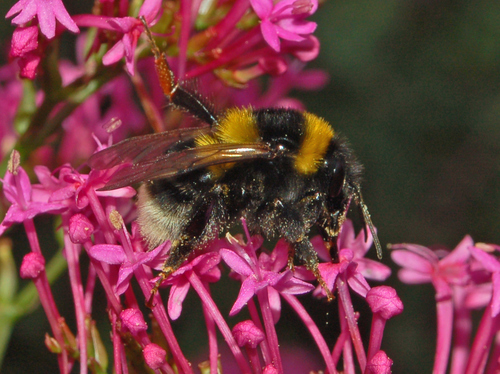
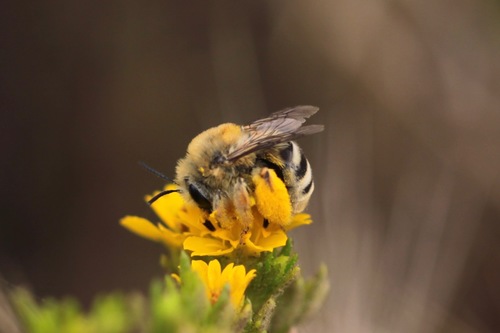
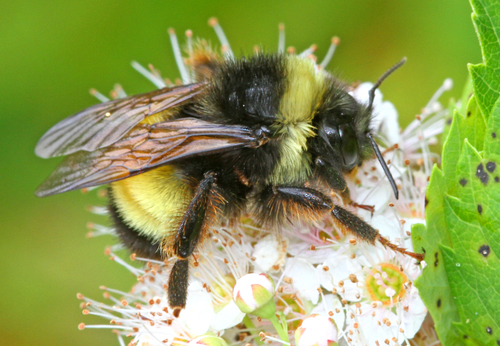
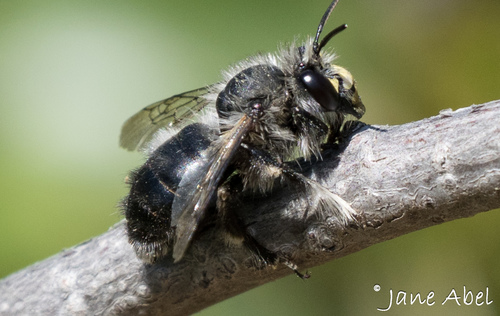
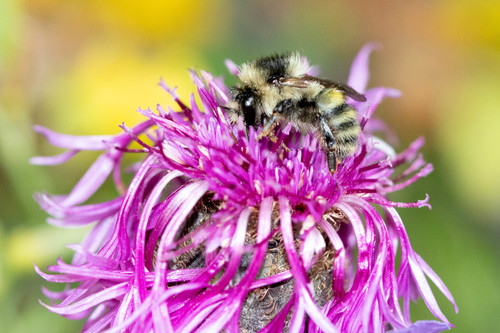
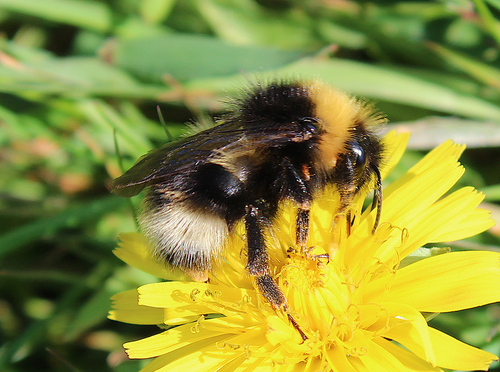
Bombus soroeensis is a relatively small bumblebee with a rather oblong face and a medium-length proboscis. Female individuals have a black body marked with two yellow bands: one at the collar, and one on the second abdominal segment (second tergite). The yellow band on the second tergite is often split into two separate sections by black hairs in its center. For males, the yellow abdominal band is broader, and usually covers most of the first tergite in addition to the second. Both sexes have a white tail, which is often mixed with orange-yellow hairs. The northern Scottish form of the species typically has an entirely white tail on females. Melanic forms of Bombus soroeensis occur on the European continent. Average body lengths for the species are 16 mm (0.63 in) for queens, which have a wingspan of 30 mm (1.2 in), 12 mm (0.47 in) for workers, and 13 mm (0.51 in) for males.
This bumblebee is distributed across Eurasia. Its range extends north to 70ºN in Scandinavia and 65ºN in Siberia, and south to the Alps, the Pyrenees, Sierra de Ancares in Spain, and the Balkans. To the west, it reaches British mainland (including Skye and some minor Scottish islands, but it is not found in Ireland or the major Scottish islands), while to the east it extends to Lake Baykal in central Siberia and Mongolia, and to the south-east it reaches Anatolia and the northern Iranian mountains. In southern Britain, Bombus soroeensis has declined considerably since around 1960, and is now restricted to scattered locations in west Wales, Cornwall and its adjoining counties, northern England, Scotland, and one isolated site in Kent.
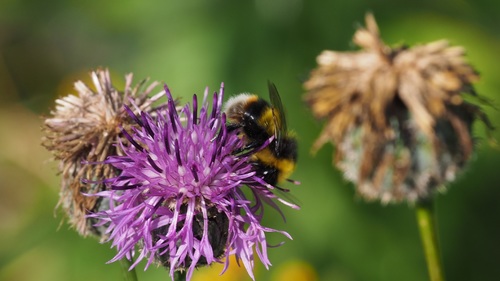
Nests of Bombus soroeensis are usually built underground, and hold a maximum of around 80 to 150 workers. At least in Britain, this bumblebee tends to prefer uplands, heaths, and grasslands. Its favoured flowers include clovers, ling, harebell, Scabiosa, and bird's-foot trefoils.