About Bombus sandersoni Franklin, 1913
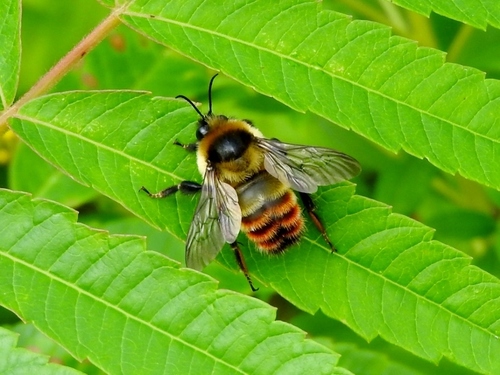
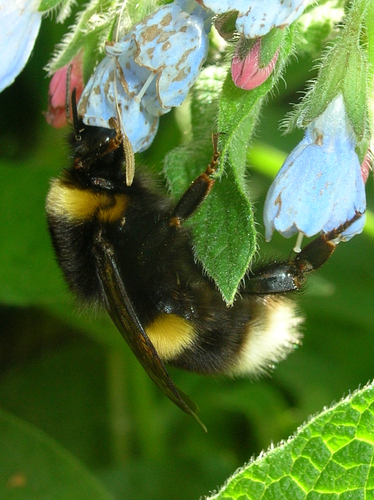
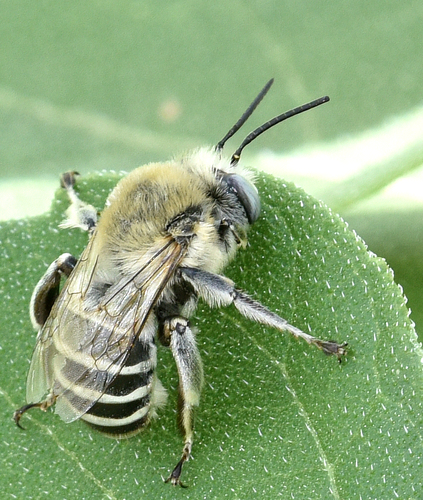
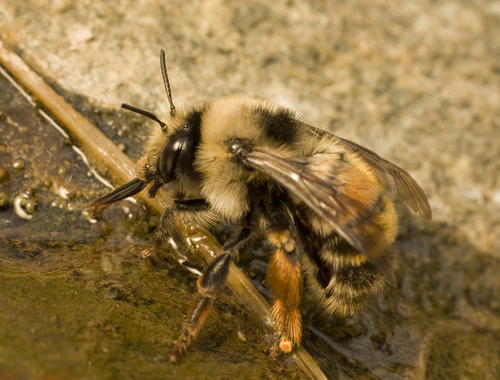
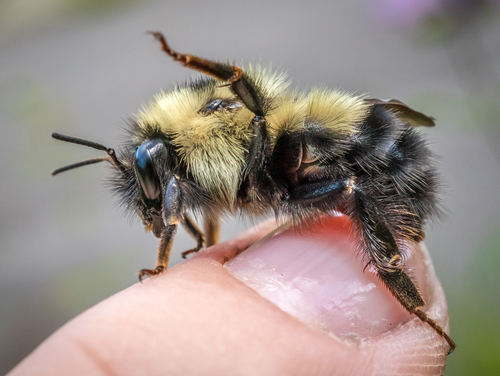
Bombus sandersoni Franklin, 1913 is a species of bumblebee commonly known as the Sanderson bumblebee. It is native to North America, found across Canada and in the eastern United States. The queen measures 15 to 16 millimeters long, with an abdomen 6 millimeters wide. It is black, with pale hairs on the head and yellow coloring on the abdomen. Workers reach up to 13 millimeters long, with an abdomen 5 millimeters wide. They are similar in appearance to the queen, except the tip of the abdomen is black. Males measure 10 to 13 millimeters long, with an abdomen 5 to 6 millimeters wide. They have long hairs, with yellow coloring on the head and part of the abdomen, and black coloring at the end of the abdomen. This bumblebee occurs in maritime Canada, temperate forest, the Canadian Prairies, tundra, and taiga, and lives in and around wooded areas. It feeds on a variety of plant genera and species including cohosh, fireweeds, kalmia, honeysuckles, bergamot, blackberries, and bilberries. It builds its nests underground. This bee species has not experienced any significant population declines, but it may be more sensitive to climate change than other groups of bees. This species has been found to host the bee parasite Nosema bombi.