About Bolboschoenus planiculmis (F.Schmidt) T.V.Egorova
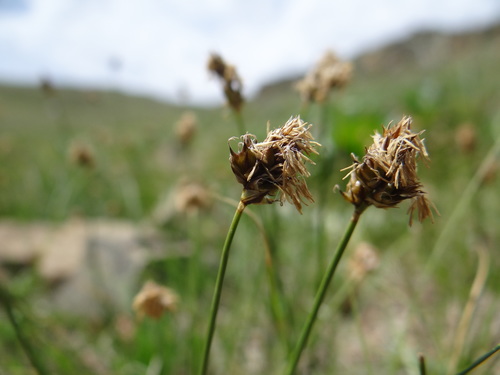
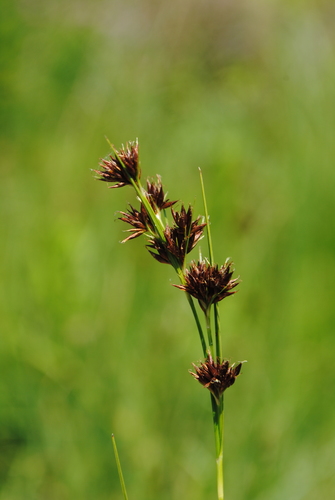
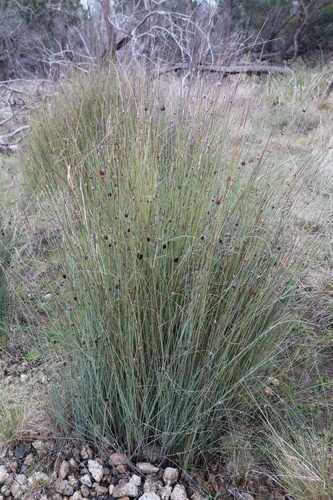
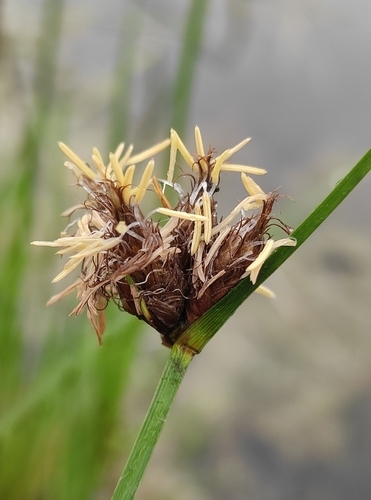
Bolboschoenus planiculmis (F.Schmidt) T.V.Egorova is a species of flowering plant in the sedge family Cyperaceae. It sprouts from tubers or seeds between April and May, flowers from May to July, and its aboveground biomass dies back each October. It is distributed across estuaries of East Asia, Central Asia, and Central Europe, with small populations recorded in Western European countries including the Netherlands. Within Europe, B. planiculmis can be distinguished from all other Bolboschoenus species by its bifid styles; all other European Bolboschoenus have trifid styles. B. planiculmis is a perennial clonal plant that reaches 20–100 centimeters (8–40 inches) in height. It reproduces both sexually via seeds and asexually via vegetative propagation. Because its fruits are able to float, spread after floods has been proposed as a possible means of dispersal for the species. It is a key wetland plant across many regions. While classified as a glycophyte, B. planiculmis is more salt-tolerant than most other freshwater plant species, which aligns with its occurrence in saline habitats, alkaline water, and mineral-rich substrates. It also shows adaptability to agricultural management practices, growing in pastures or arable land that was once saline habitat. Like many other Bolboschoenus species, it is commonly found in saline wetlands and occupies a wide range of both coastal and inland salt marsh habitats. It adapts readily to both temporarily flooded terrestrial areas and long dry periods, surviving dry conditions as dormant underground tubers. Because B. planiculmis is usually smaller than related species such as Bolboschoenus laticarpus and Bolboschoenus yagara, it is suppressed by high water levels, and only rarely occurs in streams or ponds. Its high adaptability to varied conditions has made it a nuisance weed in the Czech Republic, especially in maize fields. In the Songnen Plain of northeastern China, the root tubers of B. planiculmis are a food source for the endangered Siberian crane. Along South Korea's Nakdong River Estuary, B. planiculmis tubers are a major food source for swan geese and other migratory waterfowl. This estuary lies along the East Asian–Australasian Flyway, where more than 170,000 individual birds of 157 different species have been monitored. B. planiculmis stands in the Nakdong estuary form a major overwintering habitat for these bird populations. Despite this ecological role, B. planiculmis populations are declining in East Asia, driven by degradation of estuarine marshes caused by embankment construction, land reclamation, and increased monsoon flooding linked to climate change. Because it grows at low elevations, B. planiculmis is particularly impacted by tidal restrictions from embankments. In tide-restricted marshes with poor drainage, water accumulates during the monsoon season, increasing water depth and the duration of flooding, which harms the species. Observational trials published by An et al. in 2021 found the optimum water depth for B. planiculmis growth and reproduction to be 11.2–36.1 cm (4.4–14.2 in).