About Boechera retrofracta (Graham) A.Löve & D.Löve
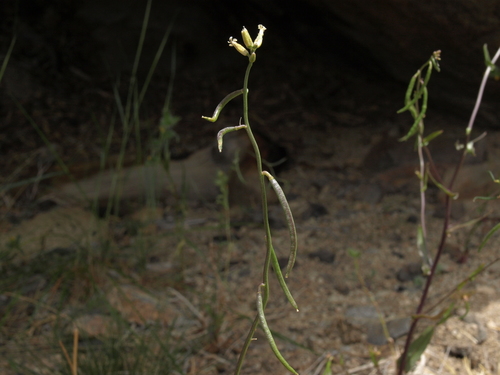
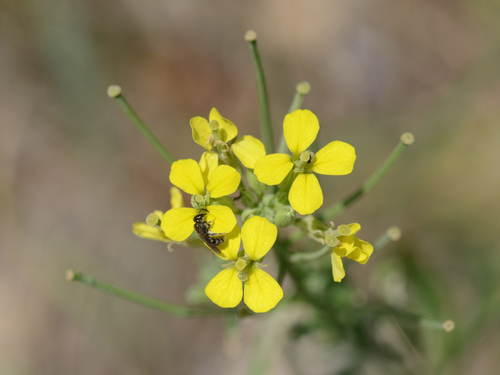
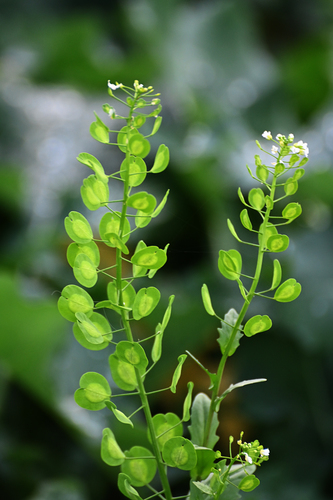
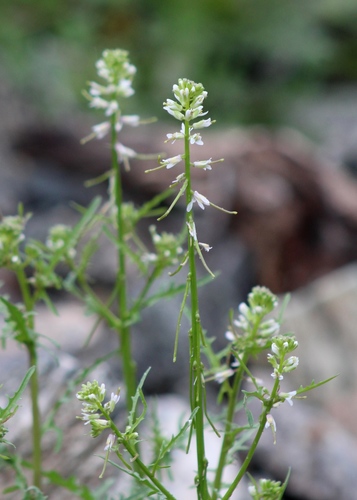
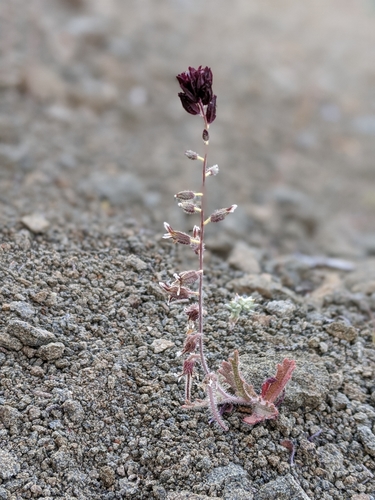
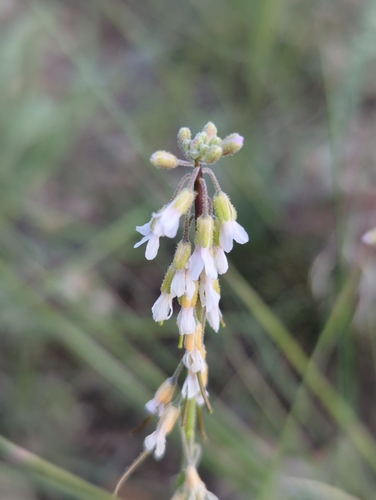
Boechera retrofracta is a species that is either biennial or short-lived perennial. Plants of this species usually grow single stems that reach 1.5 to 7 decimeters tall, and occasionally grow as tall as 10.5 decimeters. Its basal leaves are densely covered in hairs, shaped like an oblanceolate, measure 2 to 7 millimeters wide, and have either smooth entire margins or shallowly toothed edges. Flowers of this species grow in a typically unbranched raceme inflorescence, holding 15 to 80 flowers, and sometimes holding as many as 140 flowers. The flowers hang downward, and their petals range in color from white to lavender. The fruits, called siliques, are strongly bent backward, hanging pendulously, and usually lie pressed close to the inflorescence rachis when mature. The species’ seeds have narrowly winged edges. It flowers from April through August. This species has a chromosome count of 2n=14. Boechera retrofracta was listed as a threatened species in Minnesota in 1984 due to its overall rarity and the small size of its local populations there. In Minnesota, some populations grow in the Boundary Water Canoe Area, in crevices on dry, north- and east-facing diabase cliffs, growing alongside other rare plants including Physematium scopulinum (Rocky Mountain woodsia) and Asplenium trichomanes ssp. trichomanes (maidenhair spleenwort). Additional populations in Minnesota are found in Kittson County, in dry prairie and sand dune habitats, growing alongside drought-tolerant xerophytes including Juniperus horizontalis (creeping juniper), Orthocarpus luteus (owl clover), and Houstonia longifolia (bluets). This species has also been found growing in bur oak savanna habitat. In California, Boechera retrofracta grows on rock outcrops, in sandy soil, in grasslands, in sagebrush steppes, and in open conifer forests. Boechera retrofracta is distributed across California, Alaska, western Canada, Colorado, and Minnesota.