About Blephilia hirsuta (Pursh) Benth.
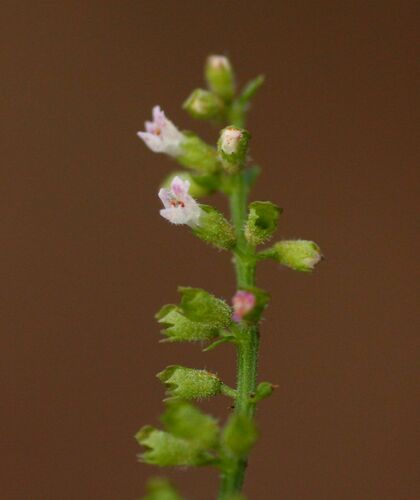
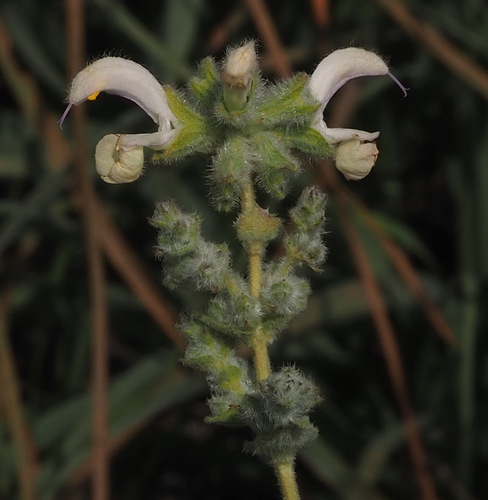
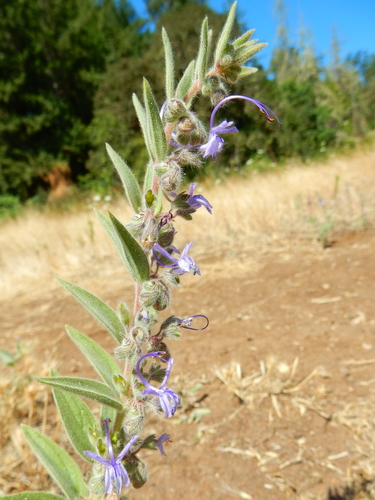
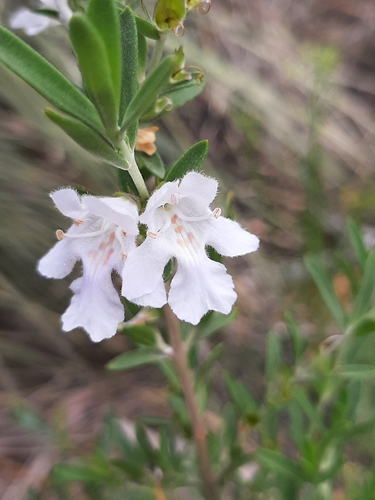
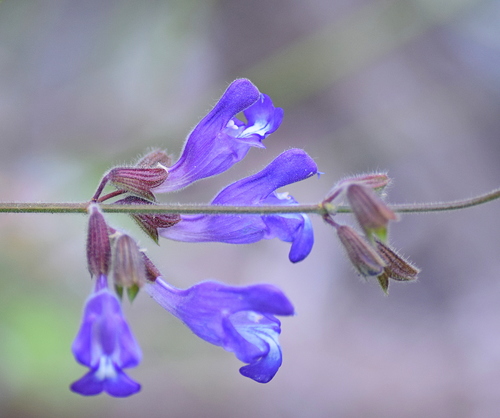
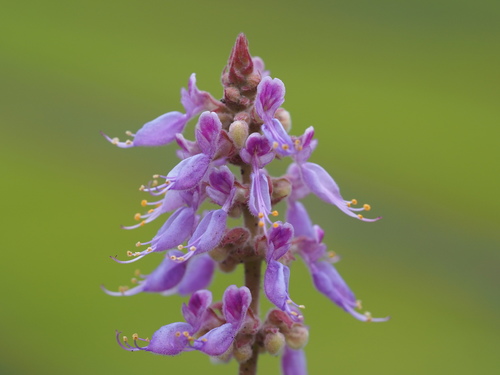
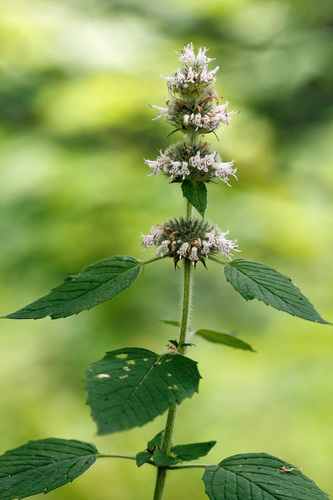
Blephilia hirsuta, commonly known as hairy wood mint, is a perennial herb. It typically grows between 30 and 120 cm (12 to 47 inches) tall, spreading from a rhizome system with fibrous roots. Its central stem is covered in long white hairs, and leaves are arranged oppositely along this stem. The leaves are long and thin, wider near the base; they have a pleasant fragrance, and their 1 to 3 cm (1⁄2 to 1+1⁄4 inch) petioles are covered in fine hairs. This species has the largest leaves of any plant in the Blephilia genus. Several whorls of flowers form at the top of the central stem, blooming for approximately one and a half months during summer. Individual flowers are around 1 cm (1⁄2 inch) long, and may be light blue, pale purple, or white with purple spots. Each flower has light green sepals, two distinct lips, two visible stamens, and a style that is divided at the tip. In Canada, this species occurs in southern Quebec and Ontario. It is widespread across the eastern United States, where it has been documented in Connecticut, Florida, Indiana, Kentucky, Minnesota, Nebraska, North Carolina, Tennessee, West Virginia, and Wisconsin. Hairy wood mint grows in rich, moist soil, most often in hardwood forests, along streams and rivers, in forest openings, and in limestone-underlain thickets; it is occasionally found near wetlands. It prefers partial sun or light shade, and thrives best in forests with infrequent, low-intensity gap dynamic disturbances. A wide range of pollinators visit its flowers, including various types of bees such as honeybees, mason bees, and miner bees, flies such as bee-flies and syrphid flies, and butterflies such as skippers. Most pollinators are attracted by a nectar reward, though some seek out the plant’s pollen. The foliage is probably not attractive to mammalian herbivores as a food source.