About Benincasa hispida (Thunb.) Cogn.
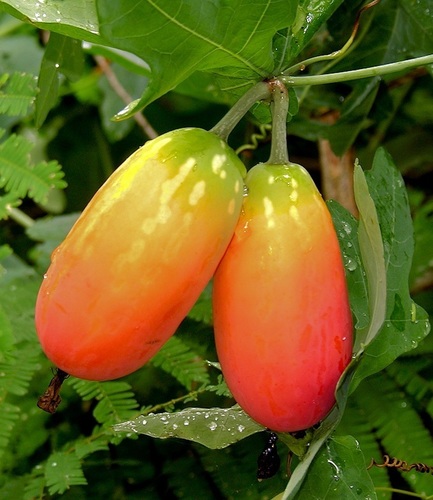
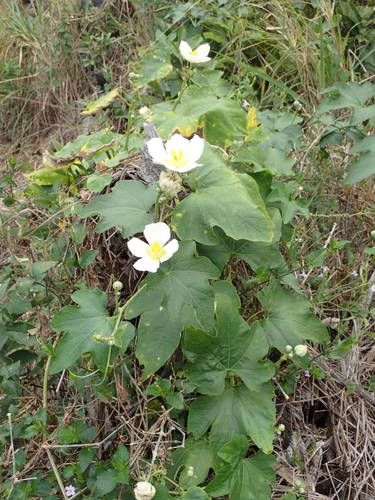
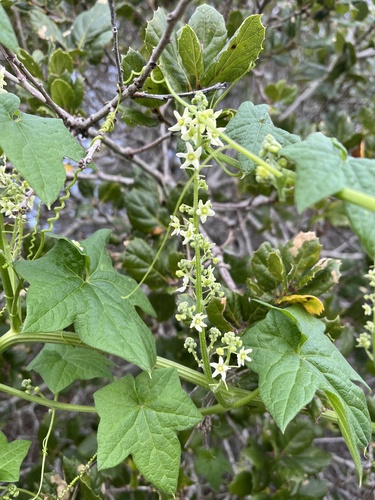
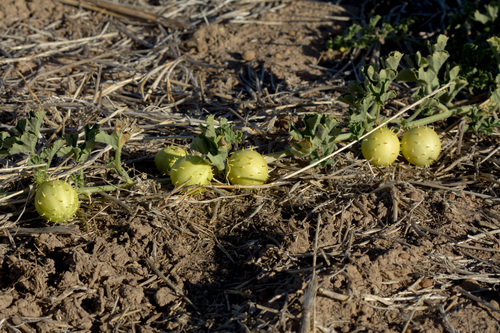
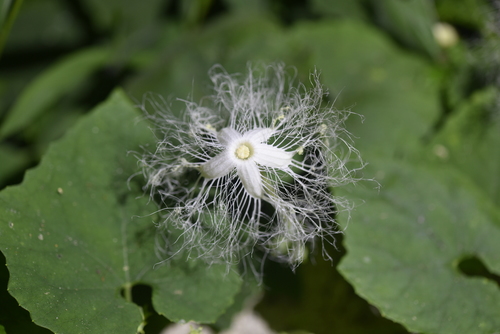
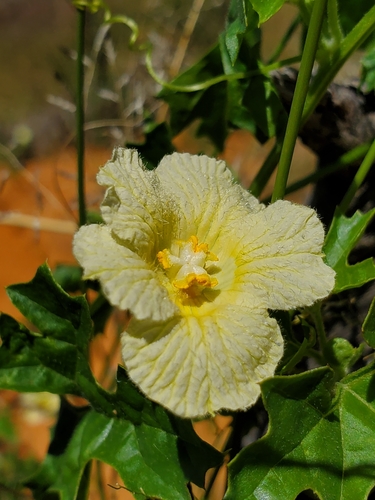
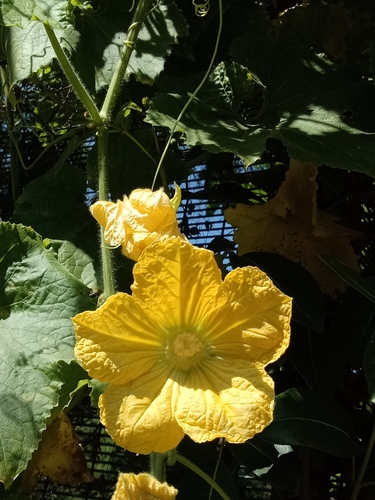
This species, scientifically named Benincasa hispida (Thunb.) Cogn., produces thick vines with coarse, hairy stems. It bears large, rough leaves that measure 10–30 centimetres (4–12 inches) across. Golden yellow flowers develop in leaf axils from early summer, between June and September. After pollination, the plant produces obloid fruits that are 50–60 cm (20–24 in) long and 10–25 cm wide. Fruits typically weigh 5–10 kg, and a maximum recorded weight of 34.5 kg has been documented. Young fruits are covered in soft fuzzy hairs; these hairs eventually disappear, and a waxy coating develops that allows the fruit to have a shelf life of up to one year. The fruit has thick sweet, crisp, juicy flesh, and contains white or yellow seeds. The wax gourd is native to South and Southeast Asia, and it is widely cultivated across the whole of Asia. Java and Japan are the regions where it is thought to have originated. It is cultivated in well-drained loam and sandy soils in warm, mild climates, and cannot tolerate frosts. It is grown in riverbeds or furrows, and requires constant irrigation throughout its growing season.