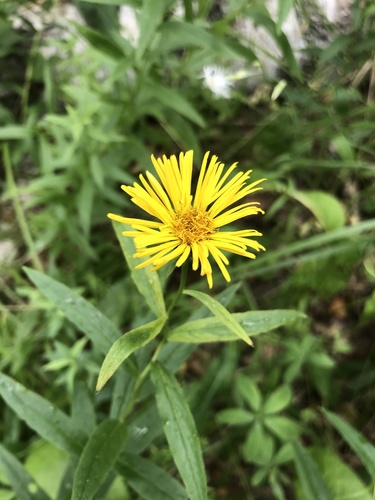
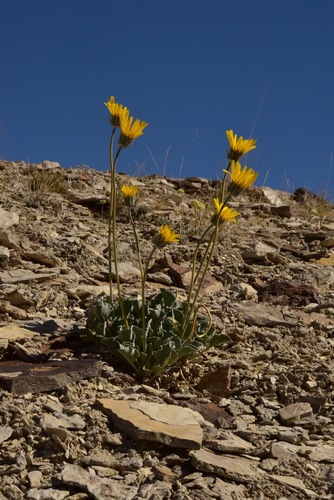
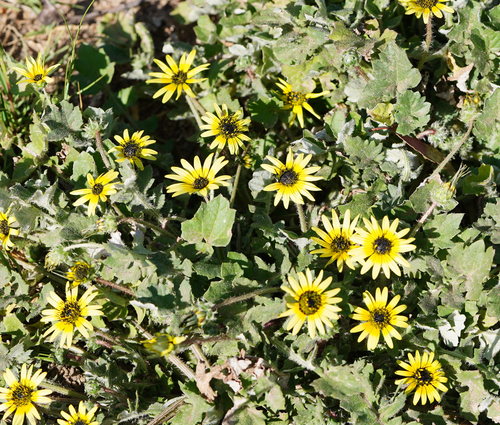
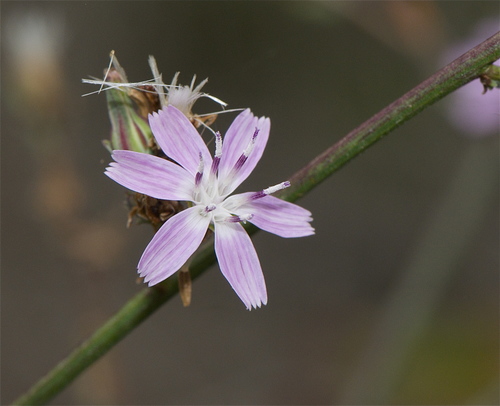
Baccharis salicifolia (Ruiz & Pav.) Pers. is a plant in the Asteraceae family, order Asterales, kingdom Plantae. Toxic/Poisonous.

Photo of Baccharis salicifolia (Ruiz & Pav.) Pers. (Baccharis salicifolia (Ruiz & Pav.) Pers.)
🌿 Plantae ⚠️ Poisonous

Baccharis salicifolia (Ruiz & Pav.) Pers.

Baccharis salicifolia (Ruiz & Pav.) Pers.

Baccharis salicifolia, mule fat, is a sticky flowering shrub native to the southwestern US, northern Mexico, and parts of South America.

Family
Genus
Baccharis
Order
Asterales
Class
Magnoliopsida

⚠️ Is Baccharis salicifolia (Ruiz & Pav.) Pers. Poisonous?

Yes, Baccharis salicifolia (Ruiz & Pav.) Pers. (Baccharis salicifolia (Ruiz & Pav.) Pers.) is classified as poisonous or toxic. Toxicity risk detected (mainly via contact or ingestion); avoid direct contact and ingestion. Never consume or handle this species without proper identification by an expert.

About Baccharis salicifolia (Ruiz & Pav.) Pers.

Baccharis salicifolia (Ruiz & Pav.) Pers. is a flowering shrub most commonly known by the common name mule fat; it is also referred to as seepwillow or water-wally. This species is native to the sage scrub community and desert southwest of the United States, northern Mexico, and parts of South America. It is a large bush with sticky foliage that produces many small, fuzzy flowers which may be pink, or red-tinged white. These flowers are highly attractive to butterflies. Baccharis salicifolia acts as a host plant for the larval stage of the fatal metalmark butterfly, and adult fatal metalmark butterflies also feed on nectar from the plant's flowers. Its leaves are long and pointed, may have toothed edges, and contain three lengthwise veins. The species is most commonly found growing near water sources, and its seeds are distributed by wind. The Kayenta Navajo people use this plant as part of a compound plant infusion, which is applied as a lotion for chills caused by immersion. This plant also has a use in fire starting. Dried Baccharis salicifolia has a very low ignition temperature, very similar to that of a dried yucca stalk. It can be used to make spindles and hand-drill shafts for fire starting.
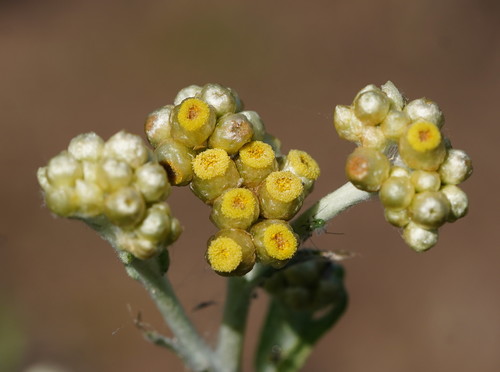
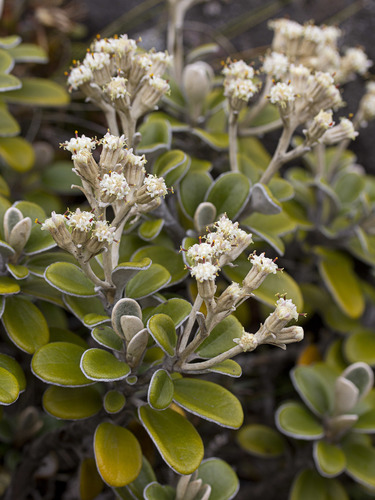
Photo: (c) Lauren Glevanik, some rights reserved (CC BY-NC), uploaded by Lauren Glevanik · cc-by-nc

Taxonomy

Plantae Tracheophyta Magnoliopsida Asterales Asteraceae Baccharis
⚠️ View all poisonous species →

More from Asteraceae

Sources: GBIF, iNaturalist, Wikipedia, NCBI Taxonomy · Disclaimer

Identify Baccharis salicifolia (Ruiz & Pav.) Pers. instantly — even offline

iNature uses on-device AI to identify plants, animals, fungi and more. No internet needed.

Download iNature — Free

Start Exploring Nature Today

Download iNature for free. 10 identifications on us. No account needed. No credit card required.

Download Free on App Store