About Baccharis halimifolia L.
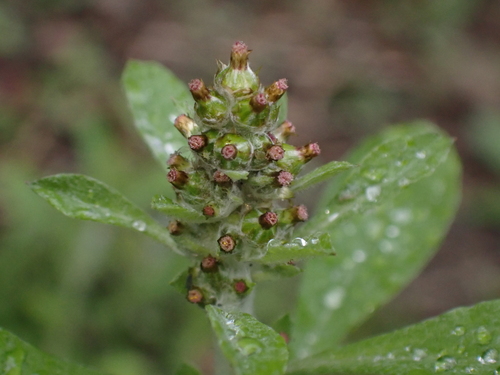
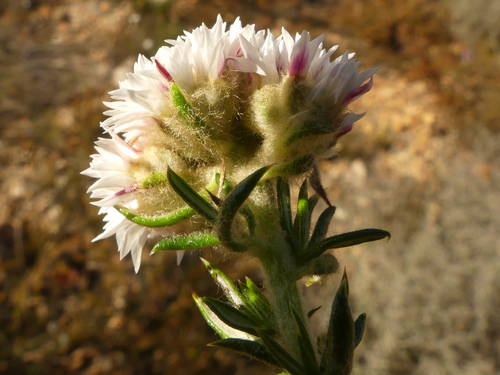
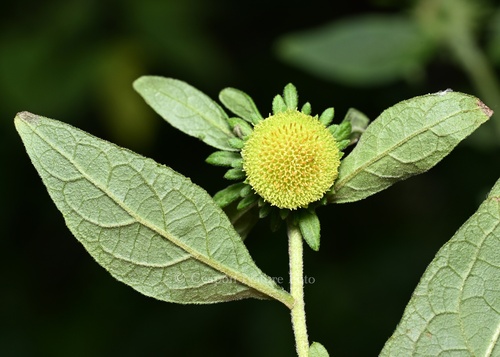
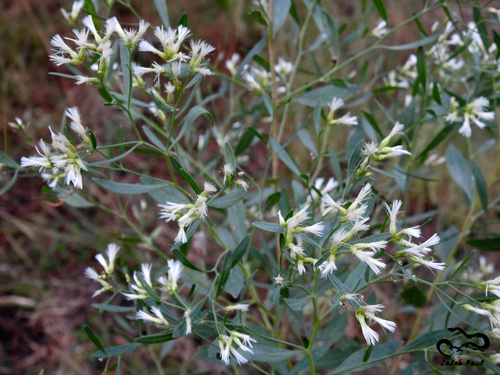
Baccharis halimifolia L. is a fall-flowering shrub that grows to roughly 12 feet (4 meters) tall and about as wide, and may occasionally grow into a small tree. It bears simple, alternate, thick leaves that range in shape from egg-shaped to rhombic. Most of these leaves have coarse teeth, while the uppermost leaves have smooth, un-toothed margins. This species is dioecious, meaning male and female flowers grow on separate individual plants. Flowers are produced in numerous small, compact heads that form large, leafy inflorescences at the end of branches. The female flower heads are snowy-white and cotton-like, and they are showy and easy to spot from a distance. This species is sometimes mistaken for Iva frutescens (marsh-elder), which often grows in the same areas. The two can be distinguished by leaf arrangement: Baccharis halimifolia has alternate leaves, while Iva frutescens has opposite leaves. Baccharis halimifolia most commonly grows in wetlands, and it is unusually tolerant of salt. It is often found along salty or brackish shores of marshes and estuaries, as well as on the inland shores of coastal barrier islands. In Florida, it can also be found along ditches, in old fields, and in other disturbed areas. In the northeastern United States, its additional habitats include freshwater tidal marshes, and open woods and thickets along the seacoast. The flowers of this species produce abundant nectar that attracts a variety of butterflies, including the monarch butterfly (Danaus plexippus). Dense stands of this shrub also provide food and cover for wildlife. The seeds of Baccharis halimifolia are toxic to humans. This shrub is occasionally cultivated, and it is considered useful as a hedge, a border planting, and a single specimen plant. In southern Louisiana, it has a long history of traditional use as a medicine to treat inflamed kidneys and fever.