About Avena fatua L.
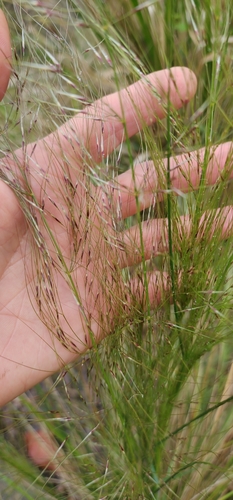
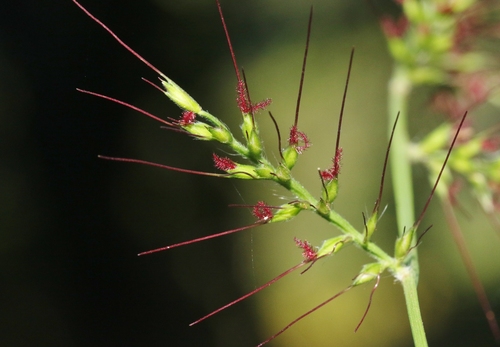
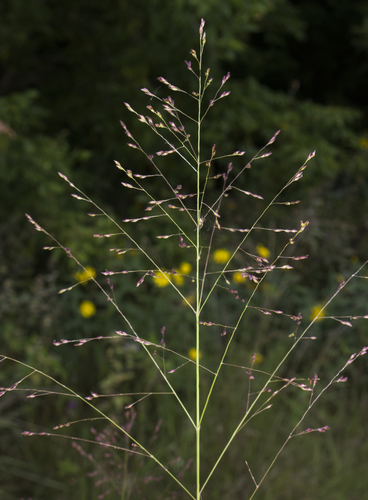
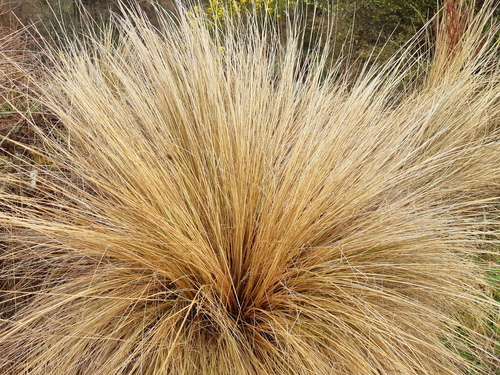
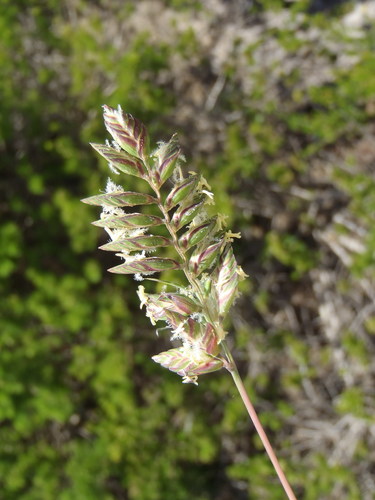
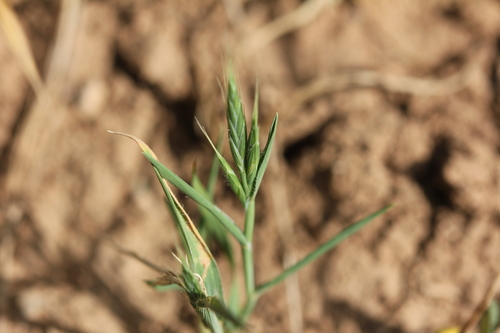
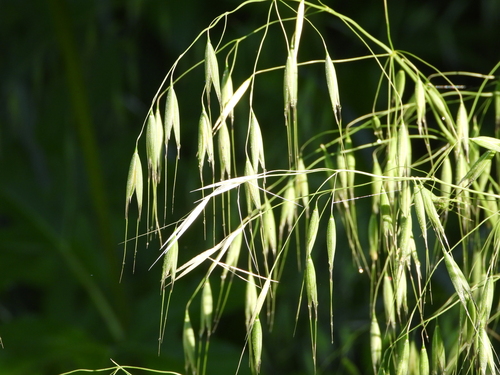
Avena fatua L. is a grass species in the oat genus, commonly known as common wild oat. It is native to Eurasia, but has been introduced to most other temperate regions of the world. In some introduced areas it is naturalized, while in others it is classified as a noxious weed. This species has a typical oat appearance: it is a green grass with hollow, erect stems that grow between 1 to 4 feet (0.30 to 1.22 meters) tall. Its stems bear nodding, branched flower structures called panicles that hold the plant’s spikelets. Its long dark green leaves can reach up to 1 centimeter (0.39 inches) wide, and feel rough from covering small hairs. Seedlings of this species are also hairy. Compared to the seeds of common cultivated oat (Avena sativa), the seed kernel of Avena fatua is thinner, longer, darker, and hairy. This species and other wild oats can become problematic in prairie agriculture when they invade field crops, lower crop quality, or compete with crop plants for resources. Even a very small number of wild oat plants can cause a significant reduction in yield for wheat or cultivated oat fields.