About Attalea phalerata Mart. ex Spreng.
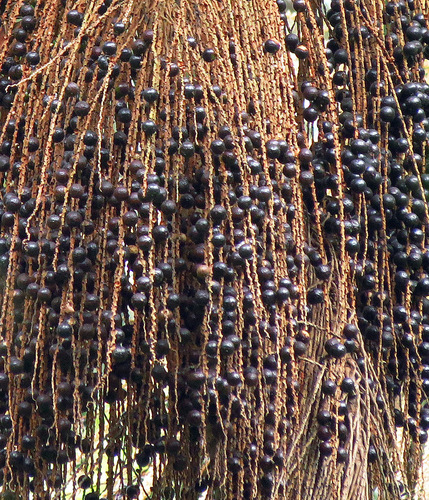
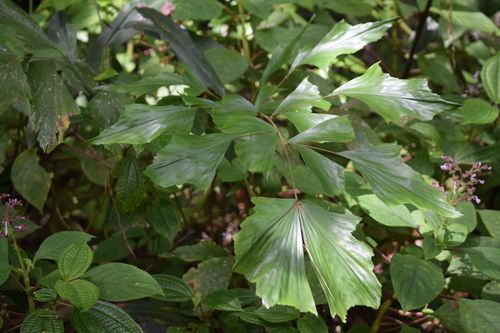
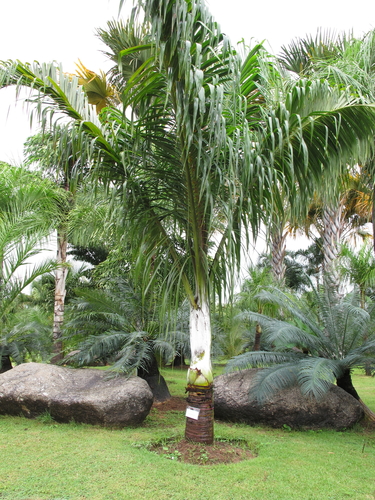
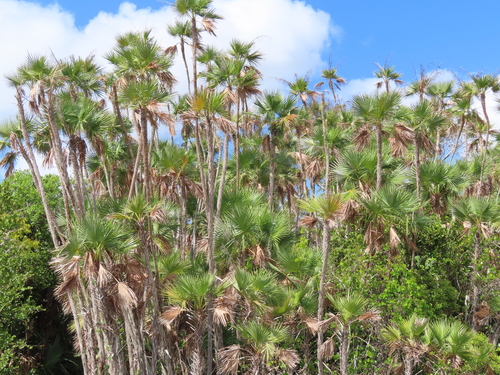
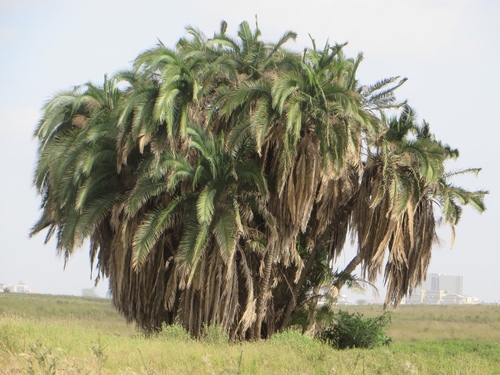
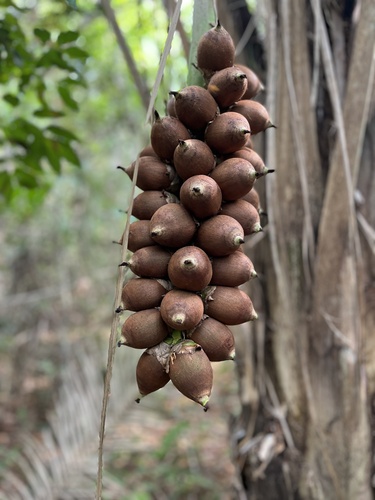
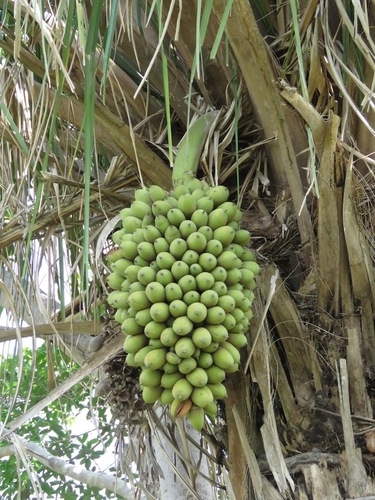
Attalea phalerata is a palm species that can grow up to 18 meters (59 ft 1 in) in total height, though its trunk rarely exceeds 4 meters (13 ft 1 in). It produces up to 30 feather-shaped leaves, and its bright orange fruits can reach 11 centimeters (4.3 in) in length. This ecologically important palm grows in many different forest types. Individual plants become fertile when they reach 1 meter in height, which is typically between 7 and 10 years after growth. This species flowers year-round, and produces fruit twice each year. Seeds of Attalea phalerata are dispersed by tapirs, which swallow whole fruits, as well as by rheas, agoutis, spiny rats of the genus Clyomys, and caracaras. Hyacinth macaws also eat the seeds of this palm and may disperse them as well. The leaf sheaths of this palm often collect seeds from other plant species, which are frequently deposited there by the frugivorous bat Artibeus jamaicensis. These deposited seeds sometimes germinate within the sheaths and grow as epiphytes on the Attalea phalerata palm. Common pollinators of this palm include sap beetles of the genus Mystrops and weevils of the tribe Madarini. The weevil Pachymerus cardo is documented to be a seed predator of this species. Rhodinus stali, the insect that acts as a vector for Chagas disease, can infest this palm tree. This species has a number of uses for humans. Its leaves are used to thatch roofs, and its fruits can be fed to pigs and other livestock. It is also harvested as a source of vegetable oil. In Bolivia, where it is called motacú, Attalea phalerata is one of the most economically important palm species.