About Atriplex patula L.
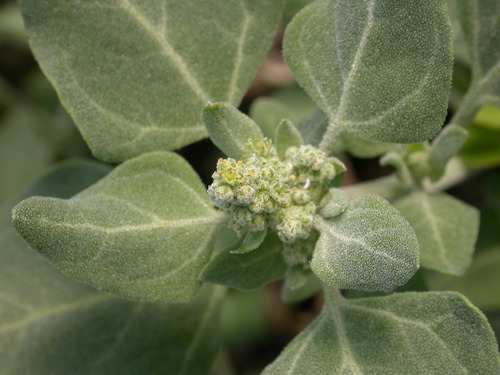
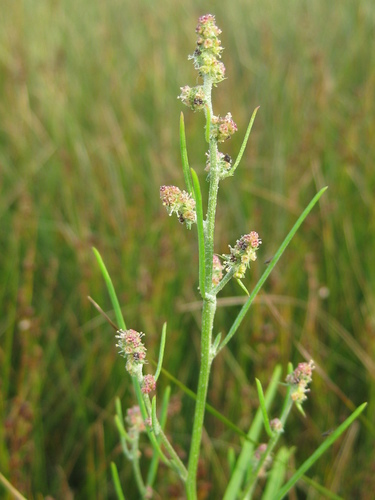
Atriplex patula L. grows to a height of 50 to 80 centimetres (20 to 31 inches). Its branches spread outward from the stem, it bears rhomboid leaves, and its flowers grow in separated clusters. This species accumulates salt from its environment in its tissues. Unlike other Atriplex species, it does not have prominent salt bladders to excrete salt onto its leaves. It has a very wide distribution, found across Asia, North America, Europe, and Africa, growing in habitats including semi-arid deserts and coastal areas. It commonly grows along roadsides and at waste sites. While it is often claimed that this species was only naturalized in North America starting in the 18th century, seeds identified as belonging to this species have been found in buried marsh deposits on the west coast of North America that date to before European contact. Its young leaves and shoots are edible raw or cooked, and can work as a substitute for spinach, though they are bland when eaten on their own. When planted in areas contaminated with high levels of road salt, the species has been shown to effectively reduce salt content in soil.