About Atriplex littoralis L.
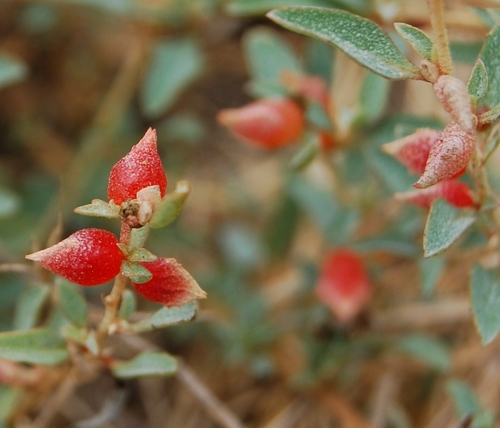
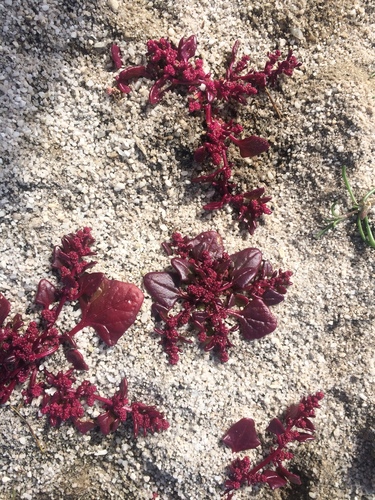
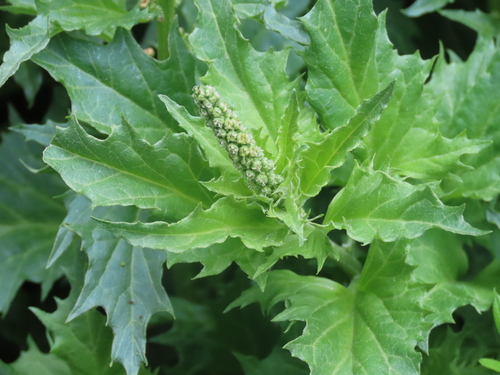
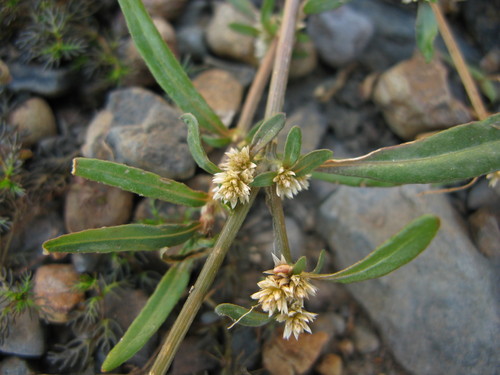
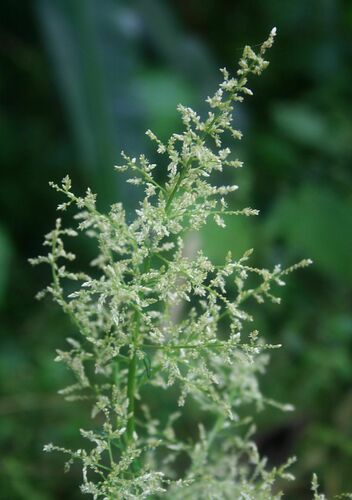
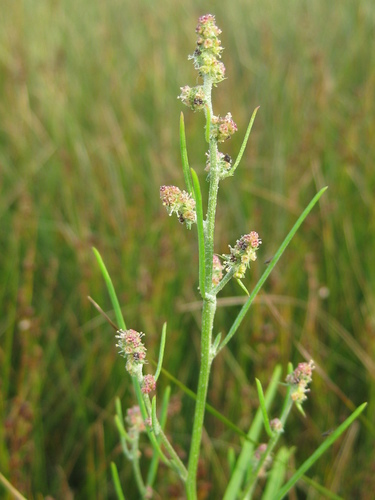
Atriplex littoralis L. is a halophytic annual plant with a shrubby growth form, reaching up to 100 cm in height. It grows on sandy, silty, or muddy beaches, saltmarshes, and tidal riverbanks, and often forms dense stands. All parts of this plant are sparsely covered in short, scurfy white hairs. It has ridged stems that are green or red-tinged, and narrow leaves ranging from bright green to grey-green, with either entire margins or sparse distant teeth. Its small flower clusters form spikes on the upper sections of stems; the flowers themselves range in colour from yellow-green to reddish. In northern Europe, it flowers from July to August, and occasionally extends flowering into October. In Great Britain, it is common and widespread, but it is scarcer in Ireland, where it is only found along the east and south coasts and the Shannon Estuary. The species is increasing in population range in both Great Britain and Ireland. Since the 1980s, it has spread to and colonised new inland roadside areas along Britain’s main roads that did not host the species before, taking advantage of road salt used on these routes. It is locally naturalised in South Africa and the United States. Its cooked leaves are edible.