About Atriplex halimus L.
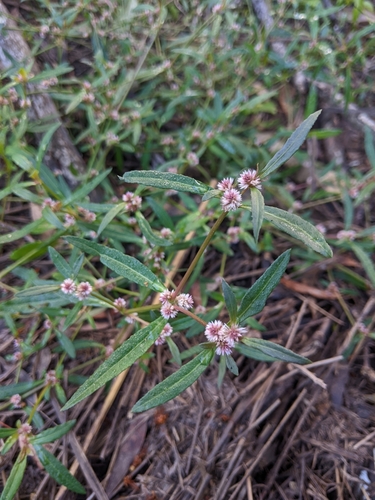
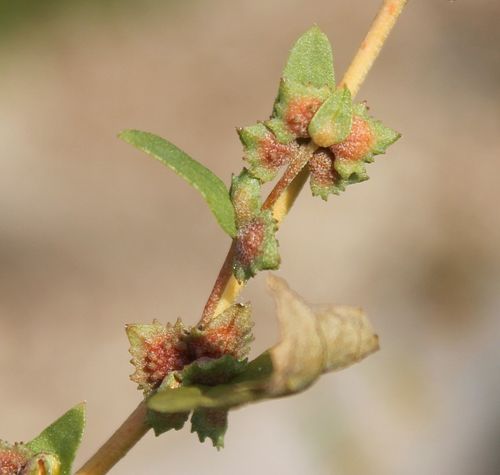
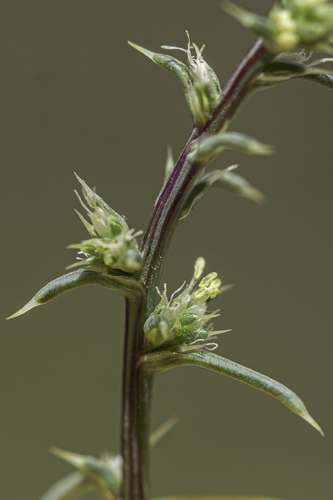
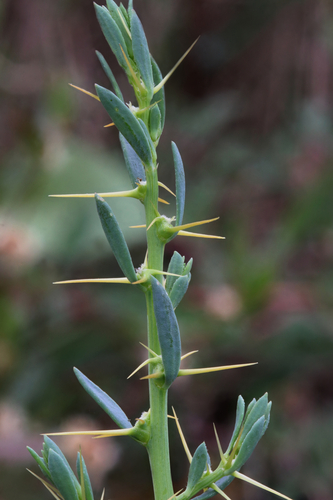
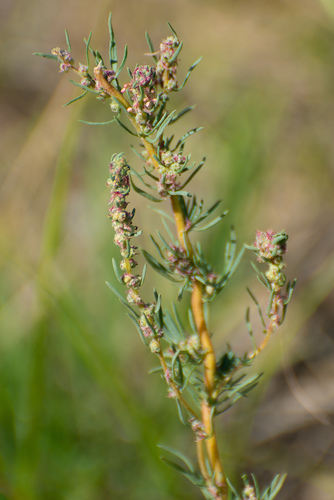
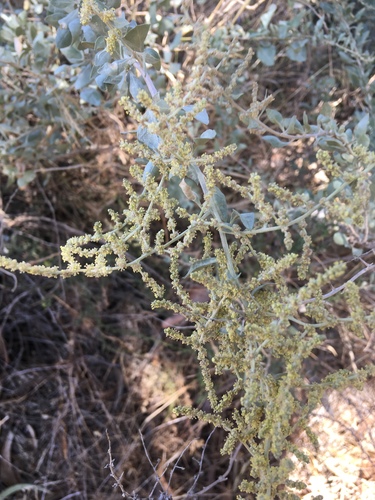
This plant species is Atriplex halimus L. It has small gray leaves that grow up to 2.5 centimeters, or 1 inch, long. It resembles Chenopodium berlandieri, commonly known as lamb's quarters. It is widespread across the Mediterranean Basin, North Africa, East Africa, and the Arabian Peninsula. Its leaves are a dietary staple for the sand rat, Psammomys obesus. The leaves of Atriplex halimus are edible. Leaf extracts from this species have shown significant hypoglycemic effects, and the species has potential use in agriculture. One study tested whether this saltbush was palatable for sheep and goats, and whether it provided enough nutrients to supplement these animals' diets when they fed on it voluntarily. The study found that when goats and sheep can eat as much A. halimus as they want, the plant provides enough nutrients to supplement their diet, unless the animals have increased nutritional requirements during pregnancy and milk production. This plant is often cultivated as forage, because it tolerates severe drought conditions and can grow easily in very alkaline and saline soils. It is also useful for improving degraded and marginal areas, as it contributes to increased phytomass in these areas. According to Jewish tradition, the leaves of Atriplex halimus are called maluaḥ (מלוח) in biblical Hebrew, referenced in Job 30:4. Tradition states these leaves were gathered and eaten by poor people who returned from Babylonian exile around 352 BCE to build the Second Temple. Other classical Hebrew sources list the Mishnaic name of this edible plant as faʻfōʻīn (פעפועין), which is explained as qaqūlei in Aramaic, corresponding to al-qāqlah (القاقلة) in Arabic. Greek comic poet Antiphanes apparently called it halimon and referenced foraging for it in dry torrent beds. In the 14th century, Ishtori Haparchi mentioned the plant in his work Kaftor va-Ferach (כפתור ופרח), noting that it grows in the Jordan Valley region.