About Astragalus hamosus L.
Classification and Habitat
Astragalus hamosus, commonly known as the woolly milkvetch, is a perennial herbaceous plant that belongs to the family Fabaceae. Native to Europe and Asia, this plant thrives in dry grasslands, rocky slopes, and open woodlands.
Size and Stem Features
It can grow up to 60 cm in height and features a woody stem that branches into multiple stems.
Leaf Characteristics
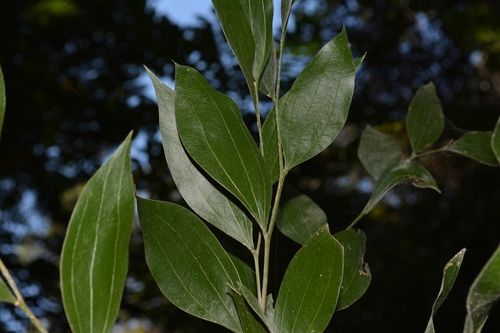
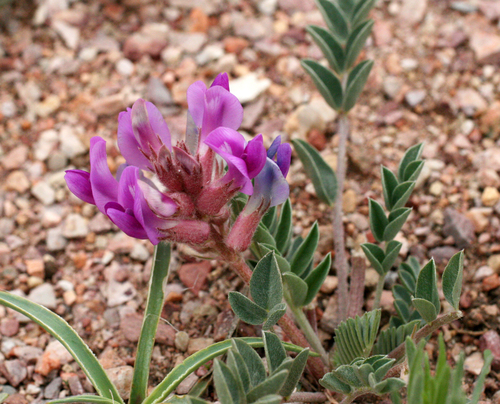
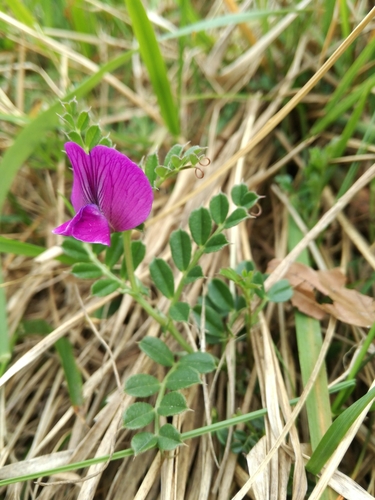
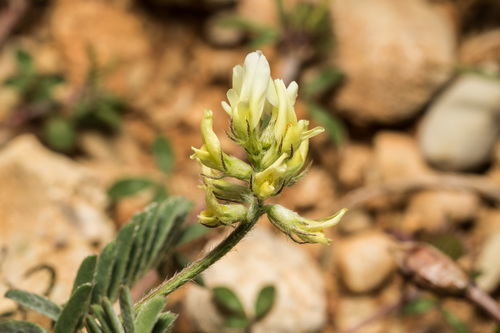
The leaves of Astragalus hamosus are pinnately compound, consisting of 7-15 oval-shaped leaflets covered in fine hairs.
Flower Traits
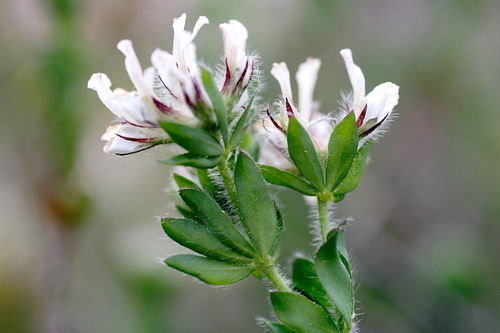
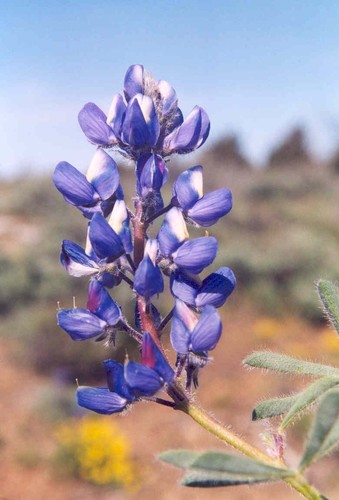
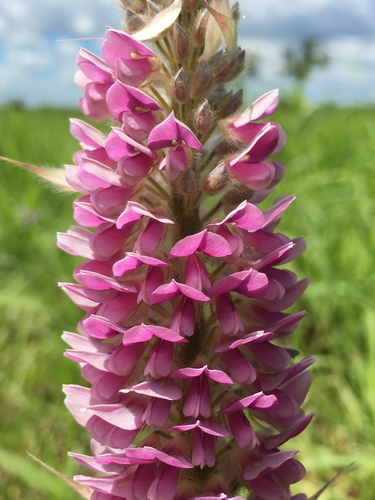
The plant produces small flowers that are typically white or pinkish-purple with a distinctive pea-like shape, blooming from May to August.
Medicinal Anti-inflammatory Use
Astragalus hamosus has been used for medicinal purposes for centuries, particularly for its anti-inflammatory properties.
Treated Health Conditions
It has been employed as an herbal remedy for respiratory infections, including bronchitis, asthma, coughs, and colds, as well as for digestive issues such as diarrhea.
Soil Fertility Contribution
Ecologically, the woolly milkvetch plays a significant role by fixing nitrogen into the soil through its roots, thereby improving soil fertility.
Pollinator Support
Additionally, it provides food for pollinators such as bees, which in turn help pollinate other nearby plants.
General Value
Overall, Astragalus hamosus is an important perennial plant both ecologically and medicinally.
Landscape Benefits
Its unique properties make it a valuable addition to gardens and natural landscapes, serving both aesthetic and functional purposes.