About Astragalus boeticus L.
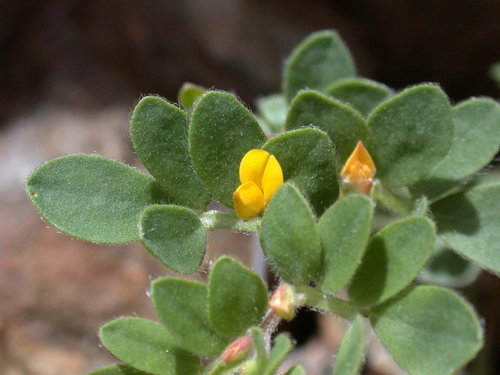
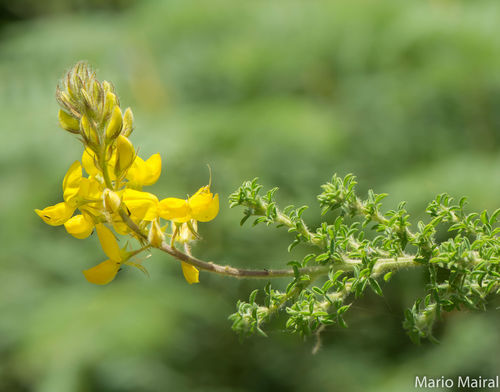
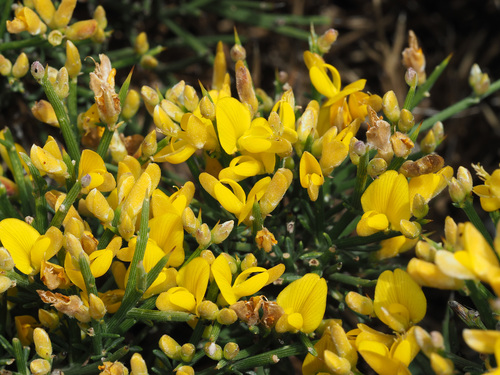
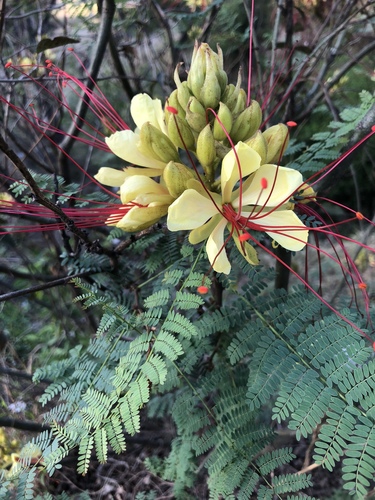
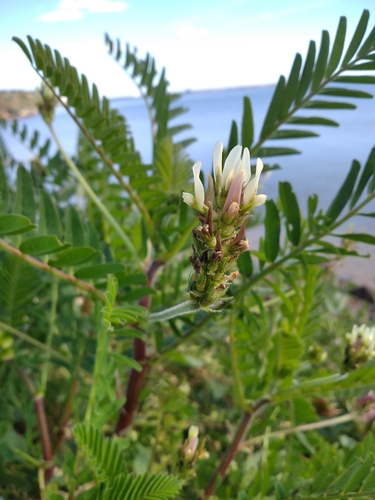
Astragalus boeticus L. is a self-supporting plant with compound, broad leaves, that reaches a maximum height of 0.6 meters (2 feet). Its blooming period occurs from July to August. This species is monoecious, meaning individual plants bear both male and female organs. It can fix nitrogen, and is pollinated by bees, moths, and butterflies. It is most commonly encountered in the months of March and April, and has been recorded more than 500 times in Spain, where it is more common than anywhere else. Its natural distribution includes Albania, Algeria, the Balearic Islands, the Canary Islands, Corsica, Cyprus, the East Aegean Islands, Egypt, France, Greece, Iran, Italy, Crete (Kriti), Lebanon-Syria, Libya, Madeira, Morocco, Palestine, Portugal, Sardinia, Sicily, Sinai, Spain, Tunisia, Turkey, Western Sahara, and the former territory of Yugoslavia. The seed pods of Astragalus boeticus are edible. Its roasted seeds are used as a coffee substitute. This use as a coffee substitute was especially common in the 1800s, when coffee was scarce, and the Swedish monarchy even used roasted Astragalus boeticus seeds for this purpose. Because Astragalus boeticus grows across most of the Mediterranean and parts of the Middle East, it has high genetic diversity. Evidence indicates that limited selective breeding could develop this species into an improved coffee substitute.