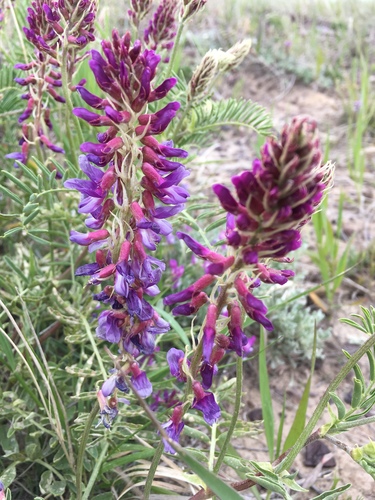
All Species Plantae

Astragalus bisulcatus (Hook.) A.Gray is a plant in the Fabaceae family, order Fabales, kingdom Plantae. Toxic/Poisonous.

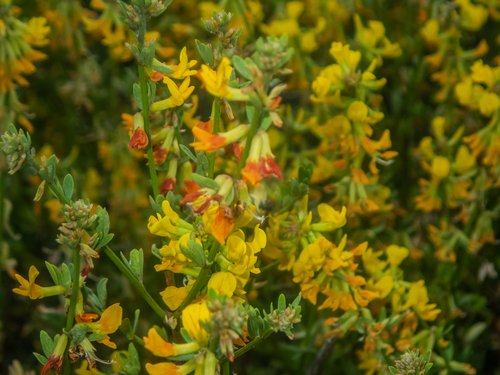
Photo of Astragalus bisulcatus (Hook.) A.Gray (Astragalus bisulcatus (Hook.) A.Gray)
Plantae ⚠️ Poisonous

Astragalus bisulcatus (Hook.) A.Gray

Astragalus bisulcatus (Hook.) A.Gray

Astragalus bisulcatus is a selenium-accumulating herbaceous perennial that causes toxic poisoning in grazing livestock.

Identify with AI — Offline
Family
Genus
Astragalus
Order
Fabales
Class
Magnoliopsida

⚠️ Is Astragalus bisulcatus (Hook.) A.Gray Poisonous?

Yes, Astragalus bisulcatus (Hook.) A.Gray (Astragalus bisulcatus (Hook.) A.Gray) is classified as poisonous or toxic. Toxicity risk detected (mainly via ingestion); avoid direct contact and ingestion. Never consume or handle this species without proper identification by an expert.

About Astragalus bisulcatus (Hook.) A.Gray

Growth Form

Astragalus bisulcatus (Hook.) A.Gray is a herbaceous perennial plant with a thick, woody rootstock, growing between 30 and 100 cm tall. It produces numerous simple stems and long pinnate leaves.

Floral Characteristics

Its flowers grow in narrow, elongated racemes, and are either white or purple, blooming in late spring and early summer.

Fruit and Seed Traits

The plant’s seed pods have a characteristic two-grooved structure on their upper surface. Fruits ripen and release their seeds during July and August; the seeds are dark brown or black, reniform (kidney-shaped), 4 mm long and 2 mm wide.

Selenium Accumulation Mechanism

Astragalus bisulcatus accumulates large quantities of selenium when grown on selenium-containing soils. In this plant, selenium replaces sulfur in produced amino acids.

Livestock Toxicity Risk

Most animals avoid this species due to the musky odor of dimethyl selenium compounds in its tissues. However, sheep and cattle may eat the plant, leading to selenium poisoning.

Acute Poisoning Outcomes

Sheep can die within thirty minutes after eating half a pound of Astragalus bisulcatus. In 1907 and 1908, around 15,000 sheep in Wyoming died from either alkali disease or blind staggers, both conditions caused by consuming large amounts of selenium from this plant.
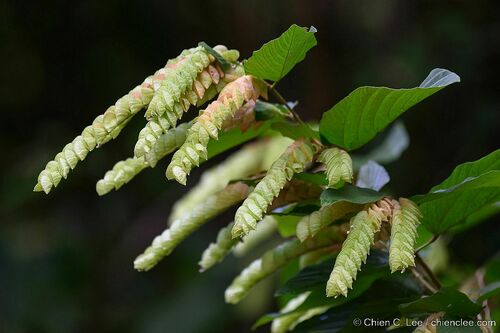
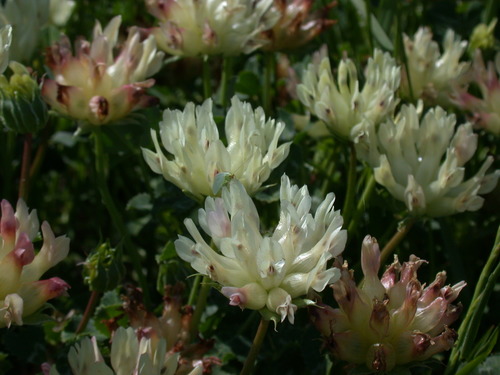
Photo: (c) ashegan, some rights reserved (CC BY-NC), uploaded by ashegan · cc-by-nc

Taxonomy

Plantae Tracheophyta Magnoliopsida Fabales Fabaceae Astragalus
⚠️ View all poisonous species →

More from Fabaceae

Sources: GBIF, iNaturalist, Wikipedia, NCBI Taxonomy · Disclaimer

Start Exploring Nature Today

Download iNature for free. 10 identifications on us. No account needed. No credit card required.

App Store
Scan to download from App Store

Scan with iPhone camera

Google Play
Scan to download from Google Play

Scan with Android camera