About Asclepias prostrata W.H.Blackw.
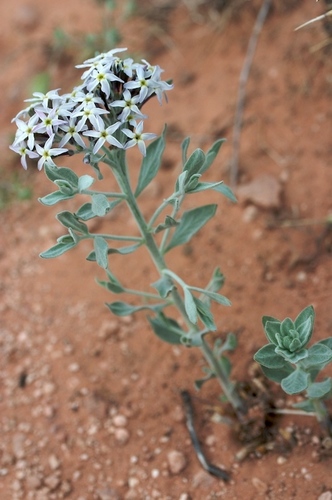
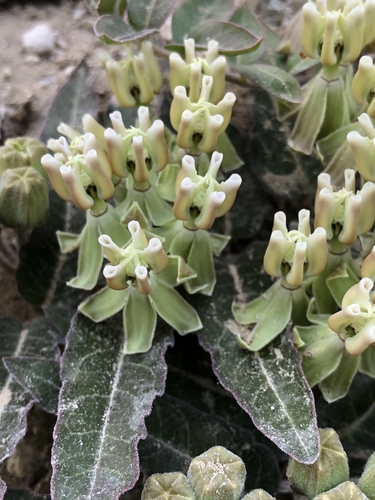
Asclepias prostrata, commonly called prostrate milkweed, is a perennial plant species belonging to the genus Asclepias. Its foliage ranges from triangular to elliptical in shape and has wavy margins. Its stems can grow up to 16 inches (410 mm) long, and the plant grows low to the ground; this prostrate growth habit is the source of its species name. It grows in sandy soils. Flowering typically occurs from April to October, though flowering may depend on rainfall to break the plant's dormancy. Like other milkweed species, the flowers of A. prostrata serve as a food source for pollinator insects including bees, wasps, and the Monarch butterfly. This species is native to Starr, Hidalgo, and Zapata counties in South Texas, and to the Mexican state of Tamaulipas. It is one of the rarest milkweed species. In 2022, the US Fish & Wildlife Service proposed adding prostrate milkweed to the endangered species list, and designated just under 700 acres of critical habitat to be protected for the species' preservation. Its primary threats are habitat loss caused by human development, and invasive species such as buffelgrass.