About Aristolochia clematitis L.
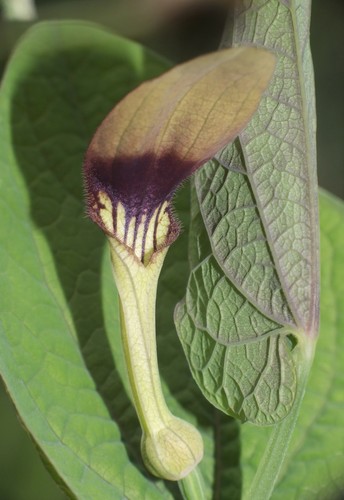
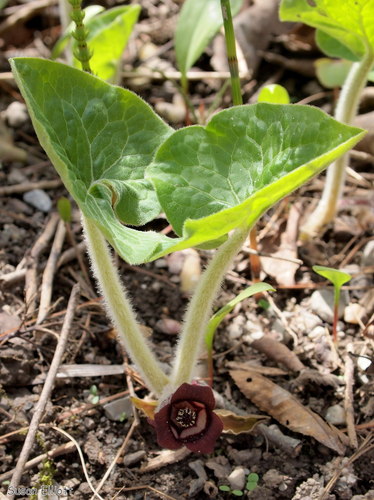
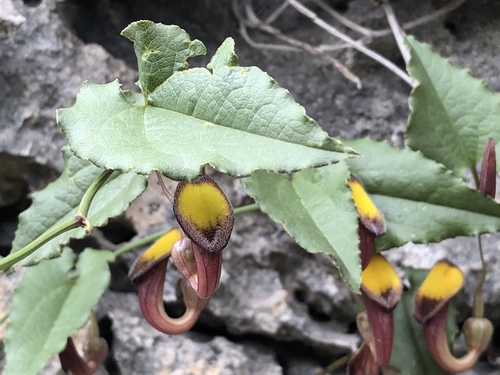
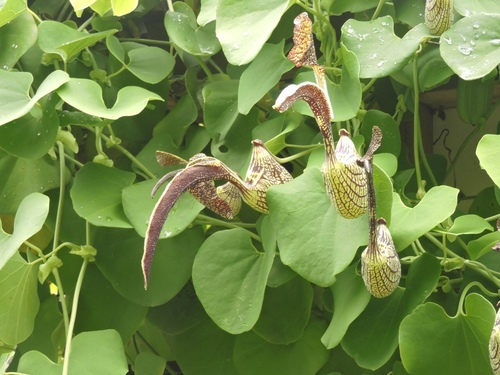
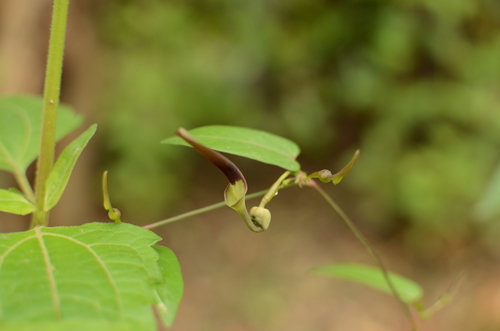
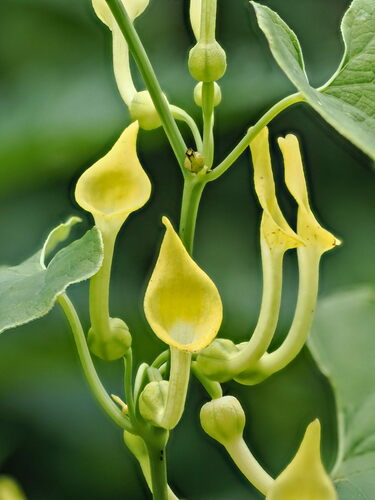
Aristolochia clematitis L. is a rhizomatous herbaceous perennial that scrambles or trails, growing up to 80 cm in length. It produces heart-shaped leaves with distinct petioles. Its flowers are 2–3 cm long, pale yellow, and tubular, with a broad lip at the top. The fruit it produces is an oval capsule. All parts of this plant have a very strong unpleasant odor. The plant climbs up the stems of surrounding plants to reach more light. This species was historically used to aid childbirth, a use that inspired its common and scientific naming. It is currently linked to thousands of cases of kidney failure in Romania, Bulgaria, Serbia, Bosnia and Herzegovina, and Croatia. The original hypothesis that accidental consumption of its seeds via contaminated flour caused these cases has since been questioned. Urinary tract cancers have also been reported in people who have consumed this plant. The connection between kidney failure and aristolochic acid, a compound found in this plant, was discovered after an obesity clinic in Belgium used herbal products made from another species in the same genus as a diuretic. A few months after treatment, some of these patients developed kidney failure.