About Aristolochia argentina Griseb.
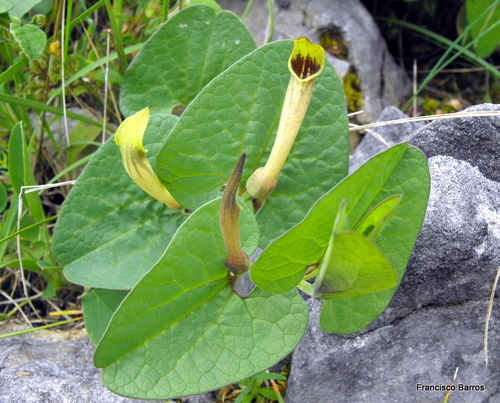
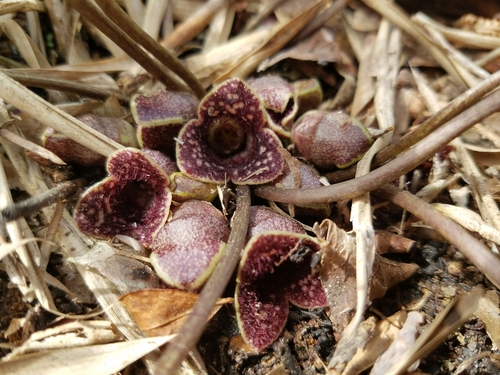
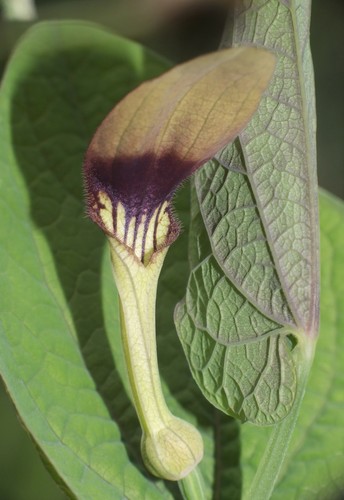
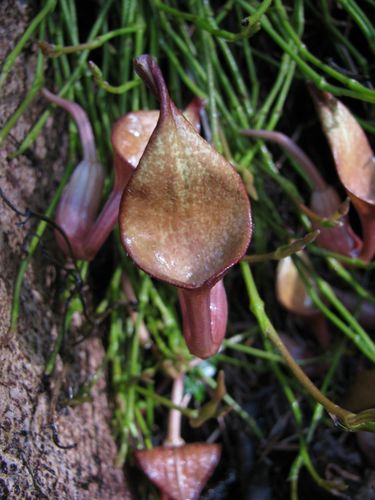
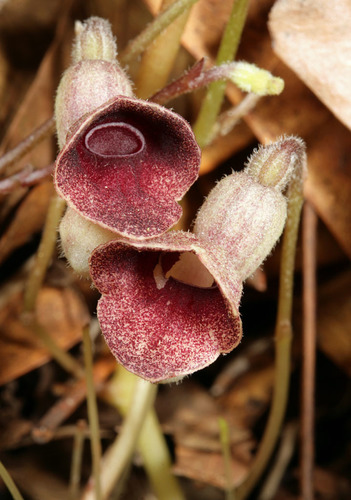
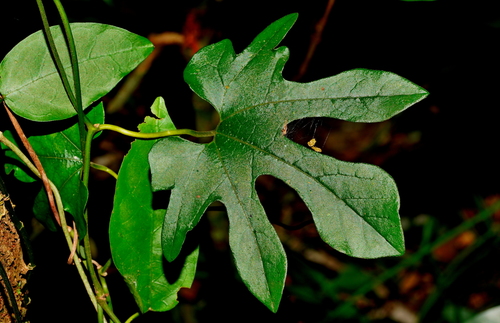
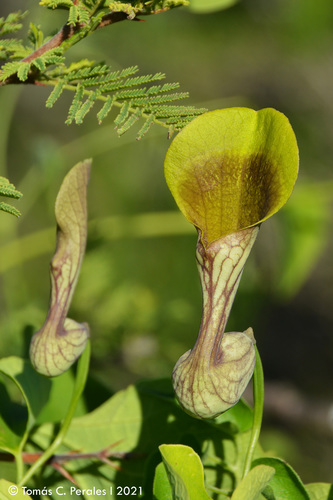
The scientific name of this species is Aristolochia argentina Griseb. Its flowers are zygomorphic. Its perianth is a single whorl formed of three fused green tepals marked with purple or brown venation. As with most other species in the genus Aristolochia, the utricle, tube, and limb of the flower can be clearly distinguished. Flower length ranges between 31 and 46 millimeters. Recorded observations of this species are most common from the months of January and February. Approximately 80% of all recorded finds of the species have occurred in Argentina. The flowers of Aristolochia argentina attract pollinators that are scuttle flies of the genus Megaselia. The perianth is structured to act as a trap for these insects. The flower produces an odor that mimics natural processes of the flies. Flies become trapped in the perianth for 24 hours, during which time they remain in contact with the flower's sexual organs. Flies can be trapped again by other flowers after leaving. A 2016 study investigated changes in foraging behavior of the ant Acromyrmex lundi after exposure to extract from Aristolochia argentina. The study found that 1% Aristolochia argentina extract had no impact on Acromyrmex lundi, but a 5% dose caused significant changes to the ants' foraging habits. The 5% dose had a repellency index of over 95%. This species is commonly used because its leaves produce essential oils that are used in medicine. It is commonly known as charrúa in Spanish, and the medicinal compounds from the plant have been identified via GC/MS analysis of hydrodistilled material. The roots of the plant are used in folk medicine to treat colitis, diarrhoea, and hemorrhoids. One study used lyophilized aqueous extract of Aristolochia argentina (abbreviated AALE) to test antidiarrhoeal effects in lab rats and mice. The study found that AALE inhibited intestinal motility and the enteropooling property, confirming that it does have antidiarrhoeal effects.