About Argyreia nervosa (Burm.fil.) Bojer
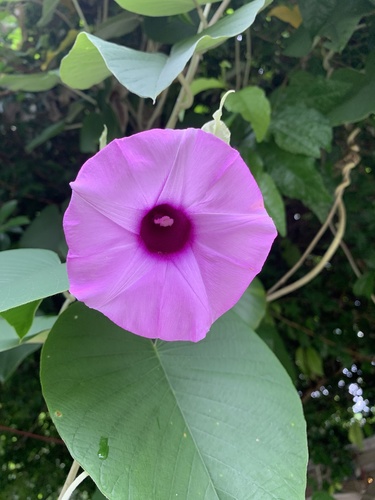
Argyreia nervosa (Burm.fil.) Bojer, commonly known as elephant creeper, woolly morning glory, and Hawaiian baby woodrose, is a perennial climbing vine. It is native to the Indian subcontinent, and has been introduced to many regions across the globe including Hawaii, Africa, and the Caribbean. While it can be invasive in introduced areas, it is often valued for its aesthetic appeal and medicinal uses. Its seeds are well-known for having powerful entheogenic properties, which are similar to or greater than those of Ipomoea species; users report experiencing significant psychedelic and spiritual effects after consuming the seeds. There are two recognized botanical varieties of this species: Argyreia nervosa var. nervosa (the variety discussed here), and Argyreia nervosa var. speciosa, whose roots are used in Ayurvedic medicine. Argyreia nervosa contains a range of ergoline alkaloids, including ergine (also called LSA). One study found that ergine stereoisomers make up 0.325% of the dry weight of the plant's seeds. Two more recent studies from a research team have also detected lysergic acid, methylergometrine (also known as lysergic acid butanolamide), methysergide, and lysergylalanine, and suspect the presence of unidentified ergopeptines. A study of the related species Ipomoea tricolor found that ergoline concentrations in leaves are 12 times lower than concentrations found in seeds. For cultivation: in regions where temperatures drop below 13 °C (55 °F), Argyreia nervosa is grown in a warm greenhouse. In areas with warmer temperatures, it is grown to climb over arbours, pergolas, walls, or trees. Professional cultivation often grows the plant under glass in loam-based John Innes No. 3 potting compost in full light. Plants are watered freely from spring through autumn, with a monthly application of balanced liquid fertilizer, and water is reduced during the winter. When grown outdoors, it requires moderately fertile, moist, well-drained soil in full sun. Pruning is carried out in late winter. Regarding traditional Indian medicinal uses: Christian Rätsch notes that there is no evidence supporting traditional entheogenic use of A. nervosa seeds in its native India, but he describes traditional Ayurvedic uses of the plant's root that suggest effects on the central nervous system. In this traditional system, the root is considered a nerve and brain tonic, consumed as a rejuvenation tonic and aphrodisiac to improve intelligence. Other traditional uses include treating gonorrhea, strangury, chronic ulcers, diabetes, anemia, and cerebral disorders. The plant is also used as an appetizer, brain tonic, cardiotonic, and aphrodisiac, and is attributed with anti-inflammatory, immunomodulatory, antibacterial, antiviral, and antifungal activities. Claims that alternative medical practices such as Ayurveda have proven medical qualities, including the widespread beneficial activities like antibacterial, antiviral, and antifungal effects claimed for this plant, do not meet the scientific standards required to validate medical claims. Additionally, the plant is partially toxic, and even if any medical benefit existed (which has not been established), this potential benefit would need to be weighed against the risk of poisoning from the substance.