About Argiope argentata (Fabricius, 1775)
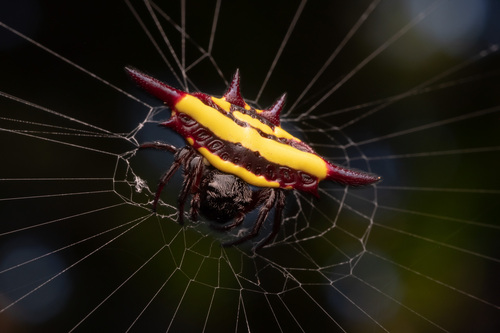
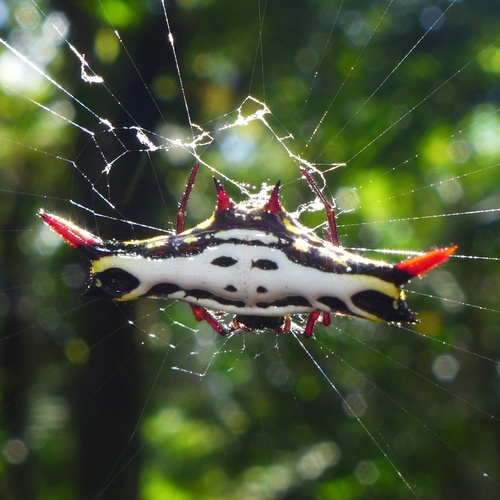
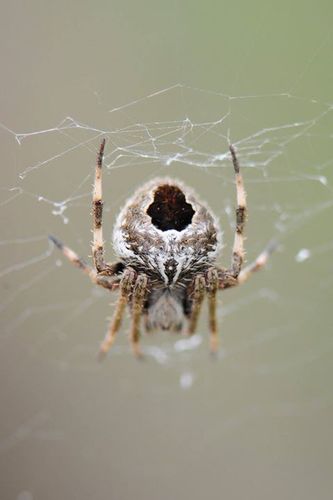
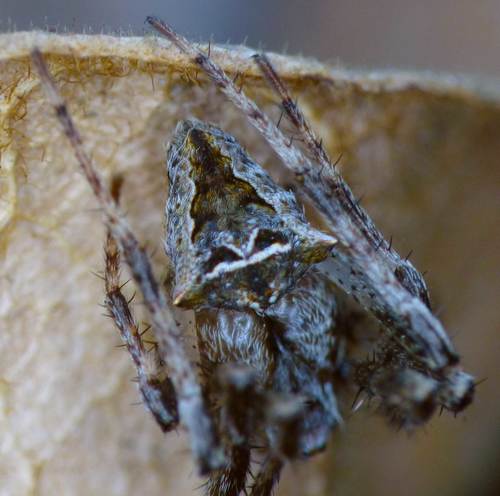
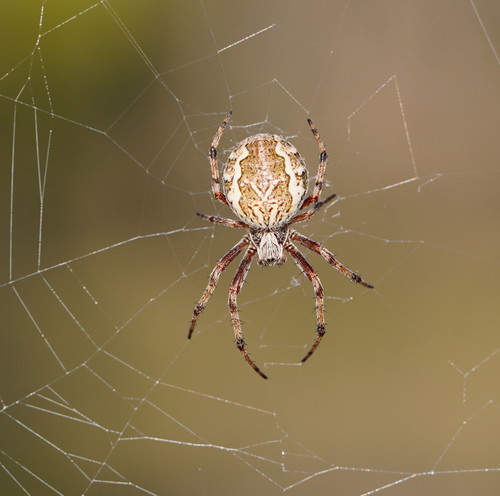
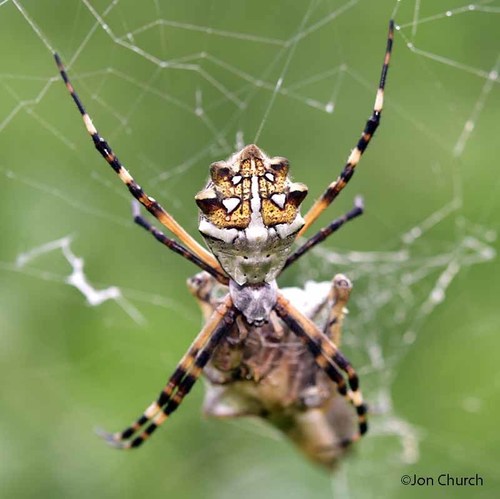
Argiope argentata (Fabricius, 1775) is a species in the genus Argiope. Like all members of Argiope, it shows pronounced sexual size dimorphism: males are much smaller than females. The average female A. argentata measures 12 millimeters, three times the average size of the male. The upper surface of the species’ body reflects UV light. This UV reflectivity may share the same function as the UV-reflective silk the spider uses to spin its webs: mimicking flower characteristics to attract pollinating prey. The underside of A. argentata is dark brown, with a yellow stripe running across it. This spider has two sets of eyes: one primary set and one secondary set. Argiope argentata is native to Southern California, and ranges southward as far as Argentina and Chile. It prefers dry, humid environments, and thrives on prickly-pear plants in Southern California. It is not typically found in Europe or in regions that experience cool seasonal temperatures. The species is relatively abundant across its native range. It is commonly encountered and photographed by hikers in Southern California and the Andes Mountains.