About Apantesis incorrupta
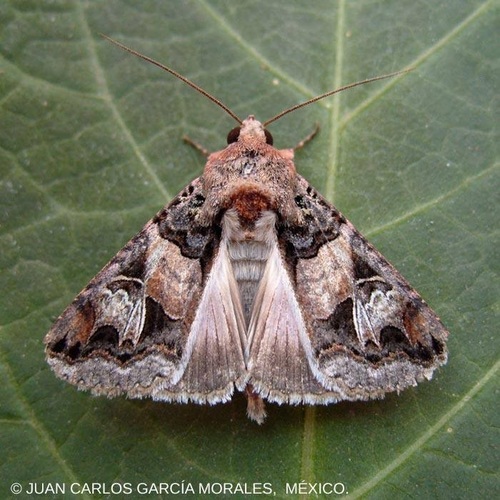
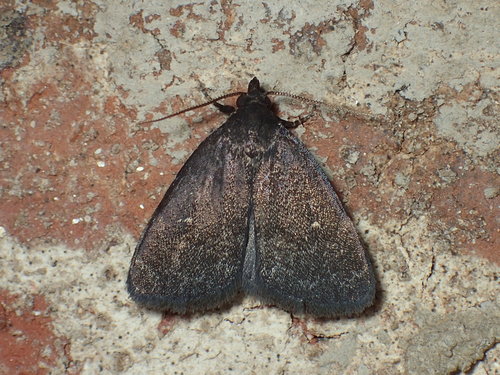
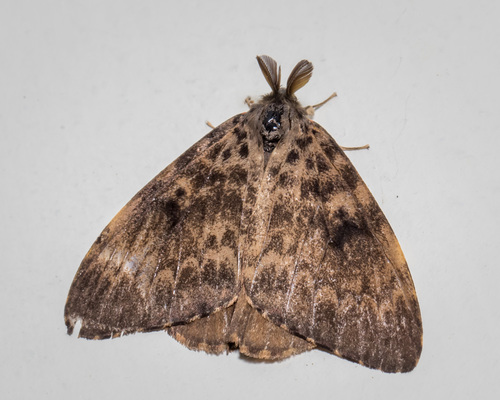
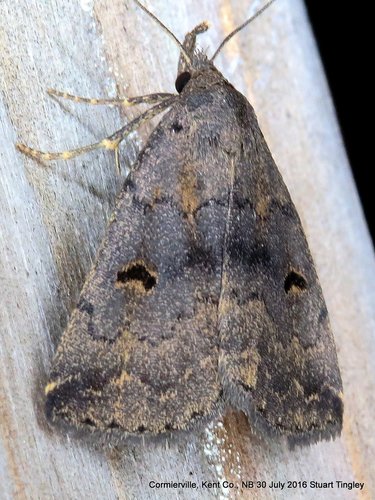
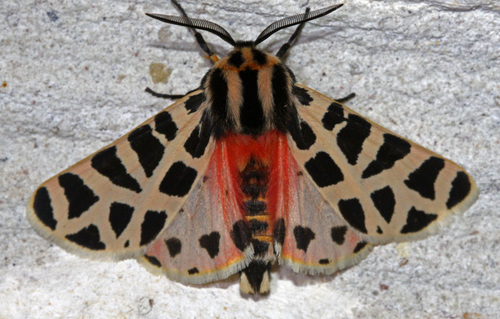
Apantesis incorrupta is an arctiine moth in the Erebidae family, described by Henry Edwards in 1881. This species was formerly classified in the genus Grammia, and was moved to Apantesis alongside the other species from the genera Grammia, Holarctia, and Notarctia.
It is distributed from southern Colorado and south-eastern Kansas, south through Arizona, New Mexico, and western Texas into Mexico, and west to south-eastern California. Its habitat includes grasslands and open woodlands. Forewings reach a length of around 18.6 mm, and the hindwings range in color from pink to yellowish pink. There are two generations per year, and adults are active in flight from late April to early October.
The larvae feed on a wide variety of herbaceous flowering plants, including Fallugia paradoxa. Recent research has recorded that larvae of this species (referred to in the study as Grammia incorrupta) consume alkaloid-containing leaves that help defeat internal parasitic fly larvae. This observation is described as "the first clear demonstration of self-medication among insects".