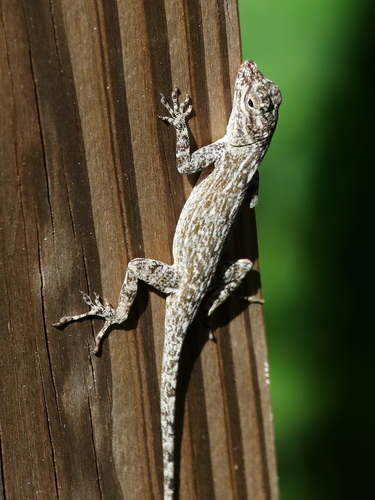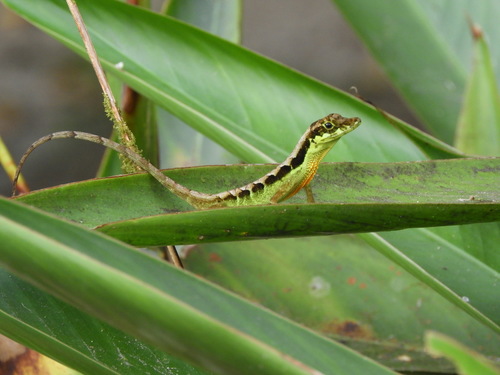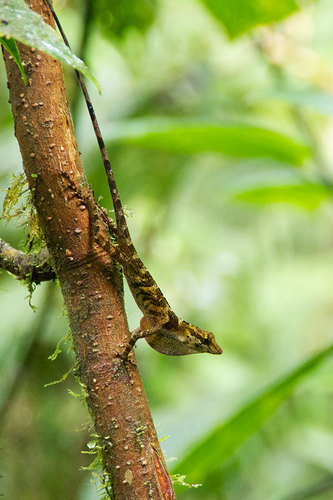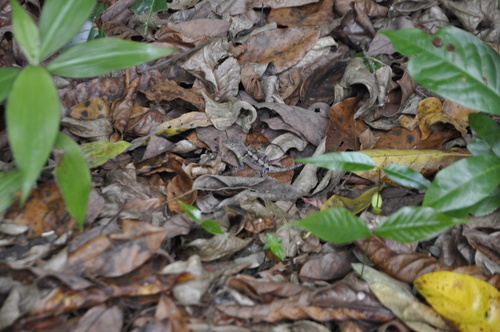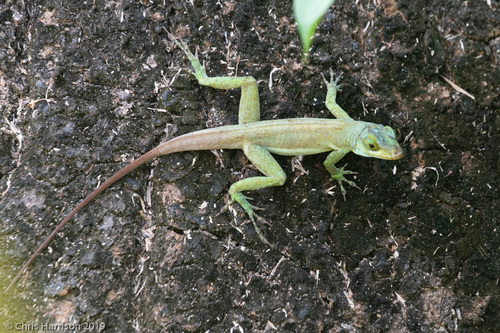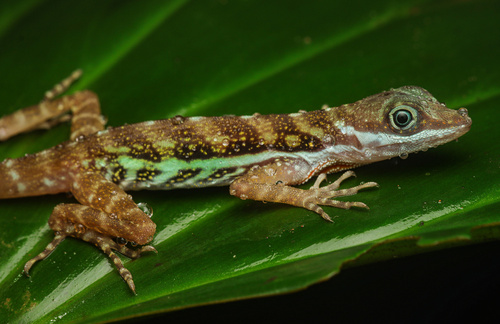
About Anolis aquaticus Taylor, 1956
Taxonomic Classification
Anolis aquaticus Taylor, 1956 (the water anole) belongs to the order Squamata, which is known for a distinctive jaw structure that creates flexible jaws and powerful biting force.
Squamate Skull Traits
All squamates have a movable skull hinge called the quadratojugal hinge, paired with more developed jaw muscles that enable their strong bite.
Suborder and Family Placement
Squamata is split into many suborders, and the water anole falls into the suborder Iguania, within the family Dactyloidae.
Dactyloidae Male Display Feature
In most Dactyloidae species, males have a brightly colored flap of skin extending from their neck, which they use for display.
Gecko Similarities
Despite being only distantly related to geckos, water anoles share multiple similarities with them, including similar anatomy and the ability to autotomize (break off) their tail.
Reproductive Season
For reproduction, the water anole has a year-round reproductive season.
Clutch Size
On average, a female produces a clutch of one to two eggs per reproductive cycle.
Sexual Maturity Differences
Female water anoles reach sexual maturity earlier than males, and also have a smaller snout-anus length than males when both reach sexual maturity.
Growth Rate Dimorphism
Males grow faster than females, and reach a larger body size than females of the same age.
Mating Initiation
Females are responsible for selecting mating sites, so males approach females during the mating process.
Copulation Details
Full copulation lasts between 90 and 105 seconds, and water anoles do not show any courtship behaviors after copulation ends.
Egg Laying Location
Females lay their eggs in cracks and openings in rocks and soil.
Egg Incubation Parameters
Under natural conditions, the average incubation temperature for eggs ranges from 19°C to 23°C, and average incubation time ranges from 75 to 82 days.