About Anisoplia austriaca (Herbst, 1783)
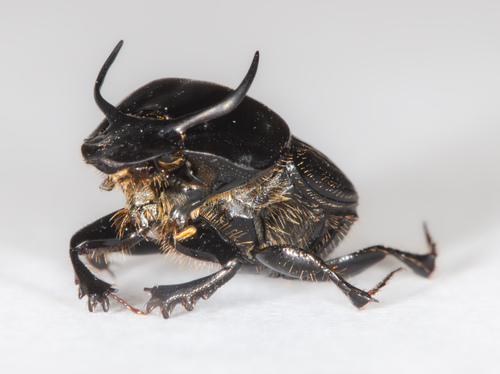
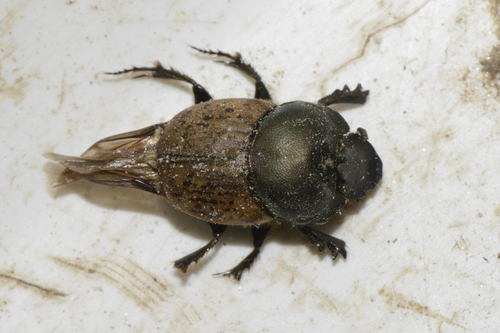
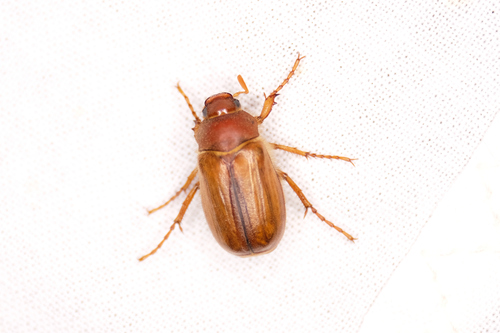
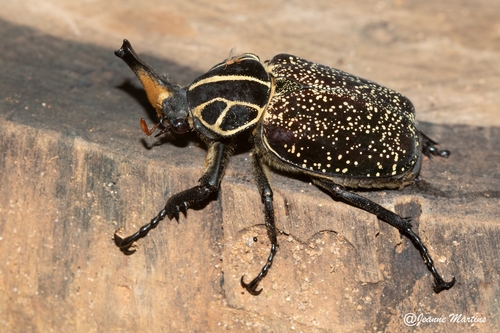
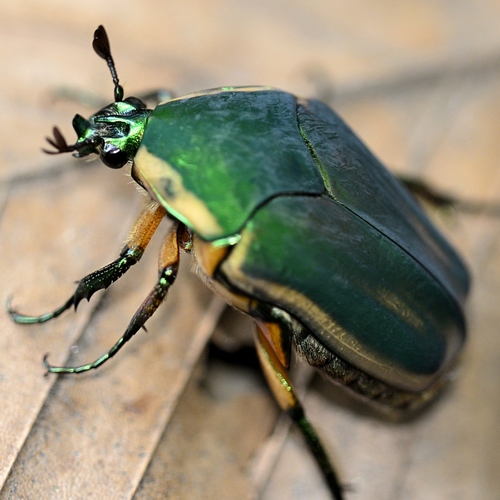
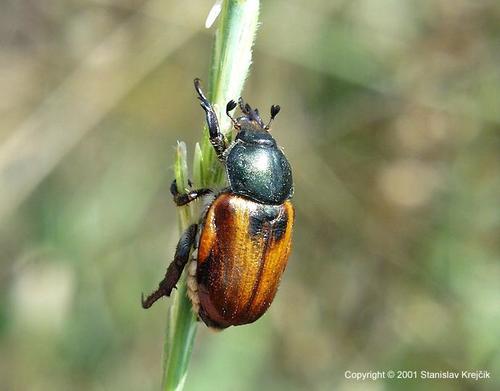
Anisoplia austriaca (Herbst, 1783) is a species of scarab beetle that acts as a harmful pest of cereal crops. Adult individuals reach a body length of 12–16 mm. This beetle is distributed across the steppe zones of Europe, Asia Minor, and Iran. It is considered a major pest in the lower and middle Volga region, the steppe regions of Ukraine, the North Caucasus, and Transcaucasia. The species has a two-year development cycle. Larvae feed on plant roots and humus, and pupate in late May. Adult beetles emerge from the soil in late June. Adults feed on cereal crops including rye, wheat, and barley, and prefer to consume immature plants. Female beetles lay eggs 10–12 days after they emerge; each egg cluster can hold up to 50 eggs. Larvae hatch three weeks after eggs are laid, and the development cycle starts over.