About Ammi majus L.
Growth Habit
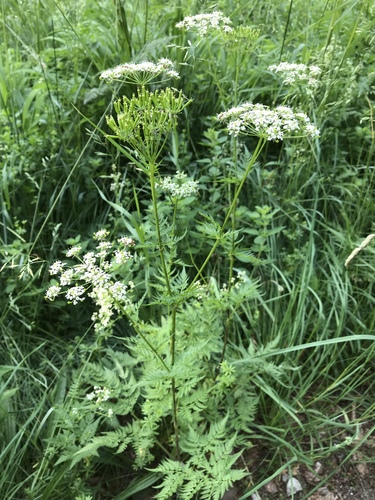
Ammi majus L. is a herbaceous plant that is typically annual, though it is actually a biennial that grows as an annual in cultivation.
Leaf Structure
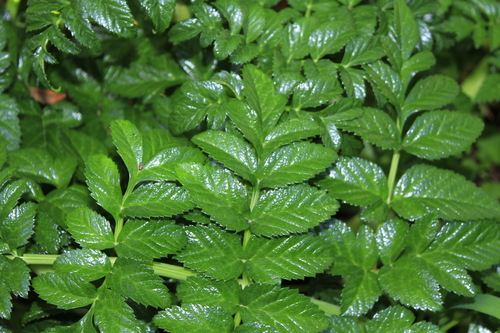
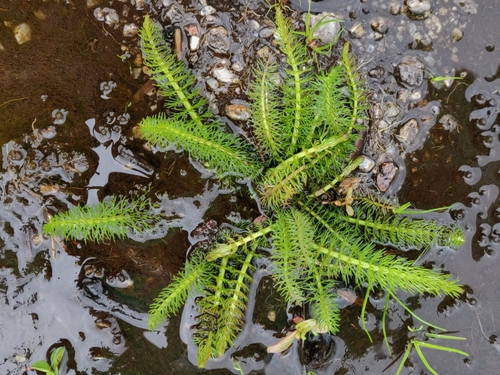
Its lower leaves are 1 to 2-pinnate, while its upper leaves are 2(-3)-pinnate with serrated lobes.
Flower Characteristics
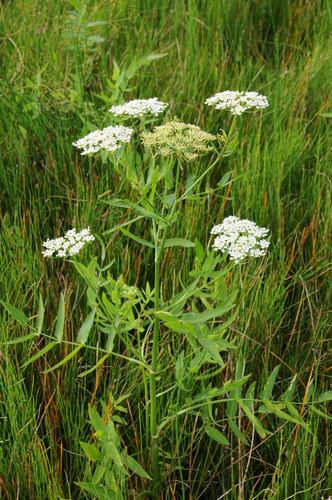
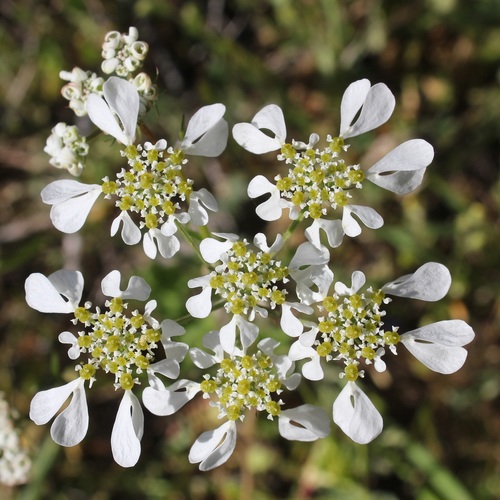
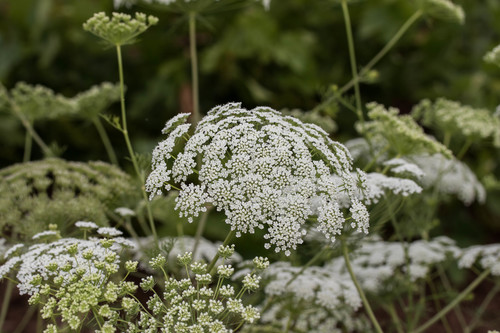
It produces flowers in compound umbel inflorescences, which are white and umbrella-shaped, similar to the flowers of Queen Anne's lace.
Blooming and Fruiting Period
It blooms from June to July, and produces fruit from July to August.
Native Range Hypothesis
This species is considered indigenous to either Egypt, or regions of Europe and the Middle East/West Asia.
Current Distribution
It also grows scattered across the British Isles, including in North and Central Scotland, is widely distributed across the Mediterranean region (including Southern Europe and North Africa), and can also be found in West Africa and Abyssinia.
Ancient Egyptian Medicinal Use
As early as 2000 BC in Egypt, the juice of Ammi majus was rubbed onto vitiligo patches, after which patients were told to sunbathe.
13th Century Vitiligo Treatment
In the 13th century, vitiligo was treated with a tincture made of honey and powdered seeds from a plant called "aatrillal", which was common in the Nile River Valley.
Aatrillal Identification and Modern Naming
This plant has since been identified as A. majus, and the trade name Aatrillal is still used today for the yellowish-brown powder made from its seeds.
Furanocoumarin Content
Ammi majus contains large amounts of the furanocoumarins bergapten and xanthotoxin (also called methoxsalen), two psoralen derivatives that are well known for their photosensitizing effects.
Methoxsalen Source
A. majus is likely the world's main source of methoxsalen.
Vitiligo Treatment Mechanism
The historical use of Ammi majus to treat vitiligo relies on the hyperpigmentation effects triggered when a photosensitizing agent like methoxsalen is used followed by ultraviolet radiation exposure.
Adverse Effect Risk
Too much of either the photosensitizing agent or subsequent UV exposure can cause phytophotodermatitis, a serious skin inflammation.
Modern Medicinal Cultivation
Despite this risk, A. majus is cultivated for its furanocoumarins, which are still used to treat skin disease, particularly the furanocoumarin xanthotoxin that is also called "ammoidin" and sold under the brand name "Oxsoralen".
Horticultural Cultivation
Like its close relative Ammi visnaga, A. majus and its cultivars are commonly grown in gardens from seed annually.
Horticultural Awards
Both the species itself and the cultivar 'Graceland' have received the Royal Horticultural Society's Award of Garden Merit.